AI code audits are proving incredibly effective at spotting critical authorization flaws that traditional black-box security tests often overlook, by analyzing the actual source code directly.
Hello WondTech readers! Did you know that some of the most critical security vulnerabilities in web applications can completely bypass even the most thorough security tests? We're talking about authorization flaws — the kind of issues that allow one user to see another user's data or access features they shouldn't. The good news is that AI code auditing offers a powerful solution for spotting these issues that traditional methods often miss.
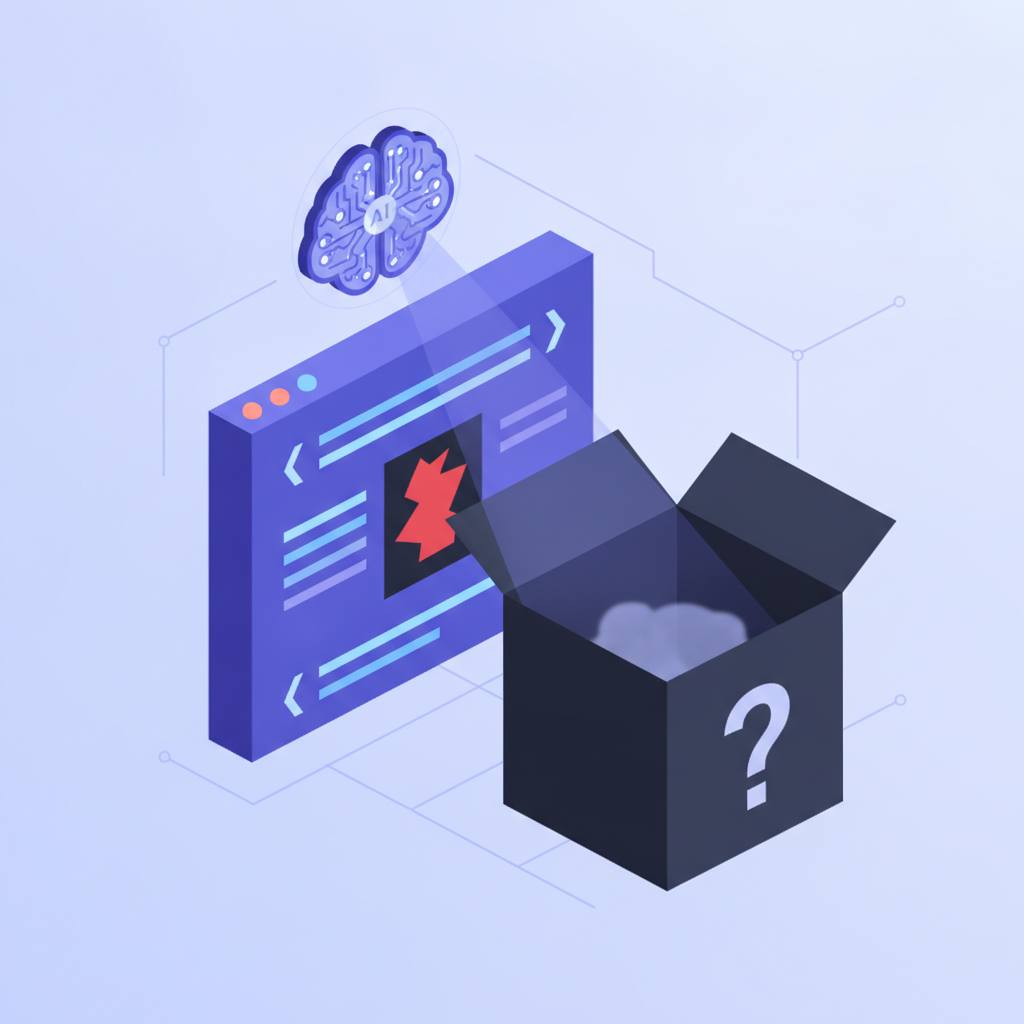
What does this mean for you? Simply put, it translates to more secure applications and better-protected data. Traditional security tests, often called «black-box tests», work like an external attacker. These tests send requests to your live system and judge the responses. A crawler might spend a whole week exploring a web application and produce a perfectly clean report, yet still fail to catch a flaw that allows one tenant to read another tenant's invoice! This flaw isn't hidden; it's simply never reachable from outside. A black-box test only sees what that line of code *returns*, not *how* it decided to return it in the first place.
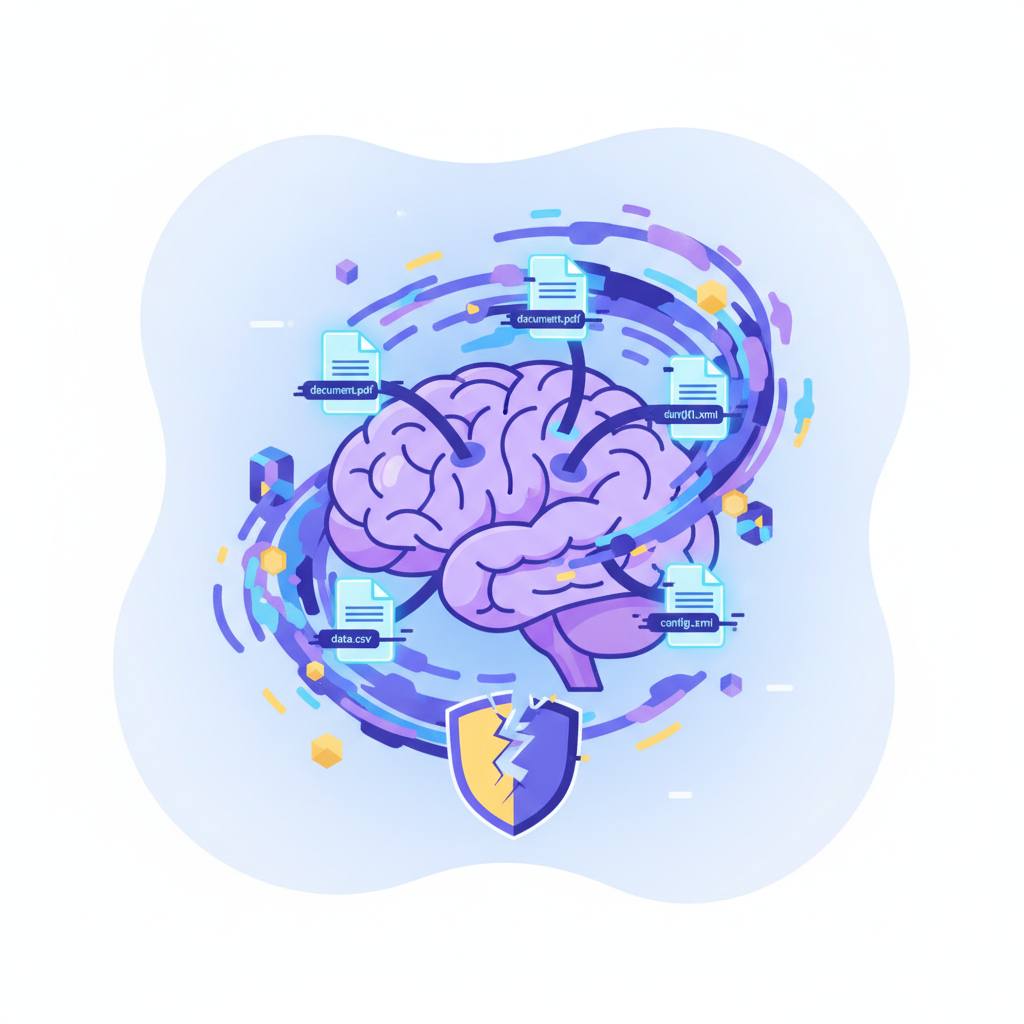
This is where AI code auditing steps in. This type of auditing goes much deeper. It reads the actual source code, routes, authorization rules, and data flow. It can literally 'read the line' of code that decides who can access a specific record. Think about it: from an external HTTP perspective, a handler returning a record looks identical, whether it correctly validated ownership or accidentally inherited a faulty permission from a refactored component. Only by analyzing the code itself can you truly know which is true.
The beauty is that these two approaches aren't mutually exclusive; they're complementary. Black-box tests are excellent at finding flaws they can trigger and confirm in a live system. AI code audits excel at finding *absent* or *inverted* access checks that external crawlers might never reach, such as paths behind flags, roles, or internal admin endpoints. For truly robust application security, we need both methods working together. They consume different evidence and reach different conclusions, making them powerful partners in the fight to secure our applications.
What does this mean for you? Simply put, it translates to more secure applications and better-protected data. Traditional security tests, often called «black-box tests», work like an external attacker. These tests send requests to your live system and judge the responses. A crawler might spend a whole week exploring a web application and produce a perfectly clean report, yet still fail to catch a flaw that allows one tenant to read another tenant's invoice! This flaw isn't hidden; it's simply never reachable from outside. A black-box test only sees what that line of code *returns*, not *how* it decided to return it in the first place.
This is where AI code auditing steps in. This type of auditing goes much deeper. It reads the actual source code, routes, authorization rules, and data flow. It can literally 'read the line' of code that decides who can access a specific record. Think about it: from an external HTTP perspective, a handler returning a record looks identical, whether it correctly validated ownership or accidentally inherited a faulty permission from a refactored component. Only by analyzing the code itself can you truly know which is true.
The beauty is that these two approaches aren't mutually exclusive; they're complementary. Black-box tests are excellent at finding flaws they can trigger and confirm in a live system. AI code audits excel at finding *absent* or *inverted* access checks that external crawlers might never reach, such as paths behind flags, roles, or internal admin endpoints. For truly robust application security, we need both methods working together. They consume different evidence and reach different conclusions, making them powerful partners in the fight to secure our applications.