Recent poll results indicate that touchscreens on laptops are most valued when the device can also function as a tablet. Users find them helpful for quick navigation and creative tasks, but many prefer not to pay extra for a feature they won't use.
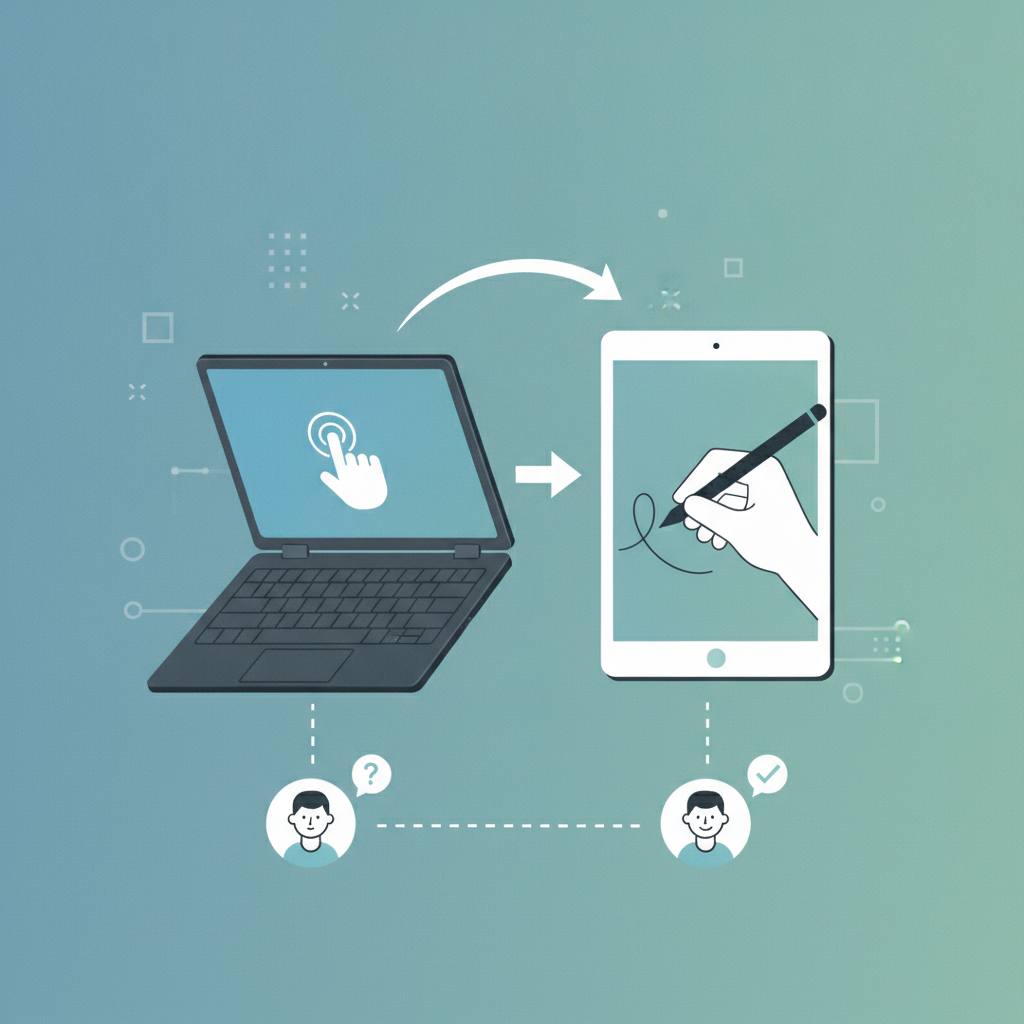
If you've ever wondered if a touchscreen is really worth it on a laptop, a new poll has the answer: Yes, but mostly if your laptop can also transform into a tablet! What this means for you is that you're not alone if you feel a touchscreen on a regular laptop isn't all that important. Most poll participants agreed that touchscreens really show their value on devices with a 360-degree hinge or those where the screen detaches from the keyboard. These are the laptops that can be comfortably used as a tablet.
The reason is simple: when your laptop converts into a tablet, a touchscreen becomes the natural and easiest way to navigate. Many people prefer touching the screen rather than relying on a traditional touchpad, which they might find less intuitive. Plus, specific groups like artists, designers, and developers find clear applications for touchscreens, giving them added flexibility and possibilities for their creative and technical work that often demands direct interaction and precision.
However, not everyone is convinced. A significant number of voters in the poll made it clear they see no need for a touchscreen on their laptop. Their main concern is not wanting to pay extra for a feature they might never actually use. So, if your device is just a traditional laptop that doesn't convert, it's understandable to view a touchscreen as an expensive and unnecessary option that adds cost without real benefit to you.
So, if you're thinking about a new laptop with a touchscreen, consider how you'll use it. Are you planning on a 2-in-1 device that truly doubles as a tablet? If so, a touchscreen will likely be a fantastic and very useful addition. But if you're looking for a standard laptop for everyday tasks and don't plan on converting it, you might save some cash by skipping this feature. It really comes down to your personal use case and what best suits your workflow and daily lifestyle.