Some advanced AI systems can now learn and improve directly from their real-world actions and observations, making smarter decisions over time without constant reprogramming.
Did you hear about the new AI system helping a large gas processing company in Saudi Arabia? This isn't just any AI; it's a 'self-improving' one. Imagine giant gas compressors, working non-stop. Keeping them running perfectly is critical, but manually deciding when to inspect, repair, or overhaul them is tough. Engineers rely on experience, but their knowledge often stays in their heads, leading to missed issues or unnecessary maintenance.
This is where a self-improving AI steps in. Most AI systems are trained once on a lot of data, and then they use that training to make predictions. If the world changes, or if the initial training wasn't perfect, these AIs might struggle until they are completely retrained, which can be a huge effort.
But a self-improving AI works differently. Think of it like a smart assistant that truly learns from its mistakes and successes. Let's say this AI predicts that a specific gas compressor needs an inspection soon. An engineer goes, checks it out, and finds something different—maybe the problem is worse than predicted, better, or even a completely different issue. Instead of just closing the work order, that 'actual outcome' is fed directly back into the AI system.
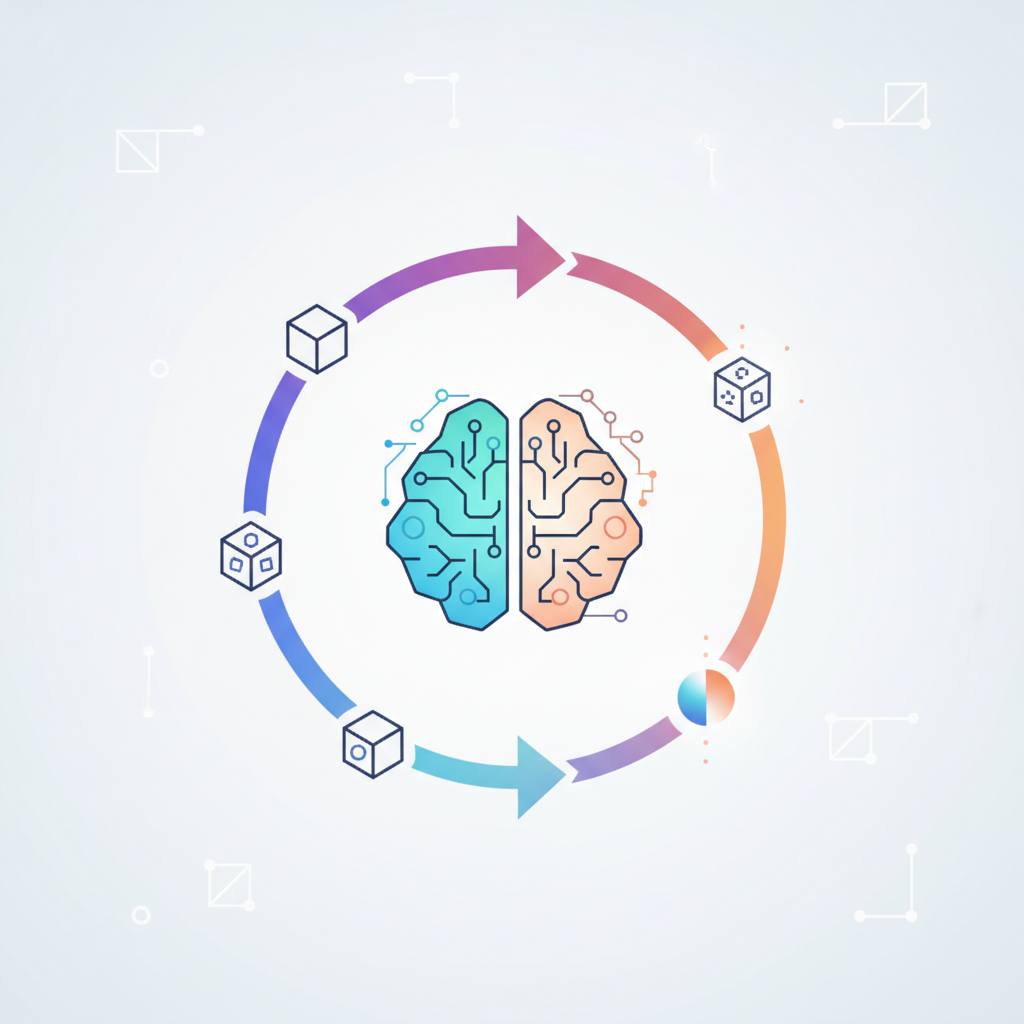
The AI doesn't 'forget' its original programming. Instead, it adds this new piece of real-world experience to its internal knowledge. It's like saying, 'My prediction was X, but the actual situation was Y. I need to remember this specific finding for next time I see similar signs.' This continuous loop of prediction, observation, and feedback allows the AI to refine its understanding of how maintenance issues develop in the real world.
Over time, with every work order closed and every actual finding recorded, the AI builds a richer, more accurate picture of the gas compressor fleet. It gets measurably better at predicting problems, suggesting the right actions, and optimizing maintenance schedules. This means fewer unexpected breakdowns, less wasted effort on unnecessary inspections, and better use of valuable repair resources. It transforms expert knowledge from individual heads into a shared, constantly evolving intelligence, leading to smoother operations and significant savings. It's AI that truly learns on the job.