Have you ever experienced your computer slowing down because one application hogged all the resources? This post explains why setting CPU and memory limits for your applications in environments like Kubernetes is critical for system stability and preventing 'noisy neighbors'.
Imagine living in an apartment building where electricity is shared among all units. Suddenly, one neighbor decides to run dozens of washing machines simultaneously, all day long. What would happen? The rest of the building would experience blackouts, or at least insufficient power. This is precisely what can happen in the software world, especially in complex systems like Kubernetes that host many applications on shared servers.
Today's news shows us this isn't just a hypothetical scenario but a real and costly problem. When new applications are deployed into a shared Kubernetes environment without explicit resource constraints, one of these applications can become a 'noisy neighbor'. This runaway application might consume all available memory or CPU on the server, leaving other applications – which might be critical – without enough resources to function. The result? Application crashes, extreme slowdowns, and it can even lead to the system terminating unrelated applications in a desperate attempt to regain stability, a process known as the 'Out-Of-Memory (OOM) killer'.
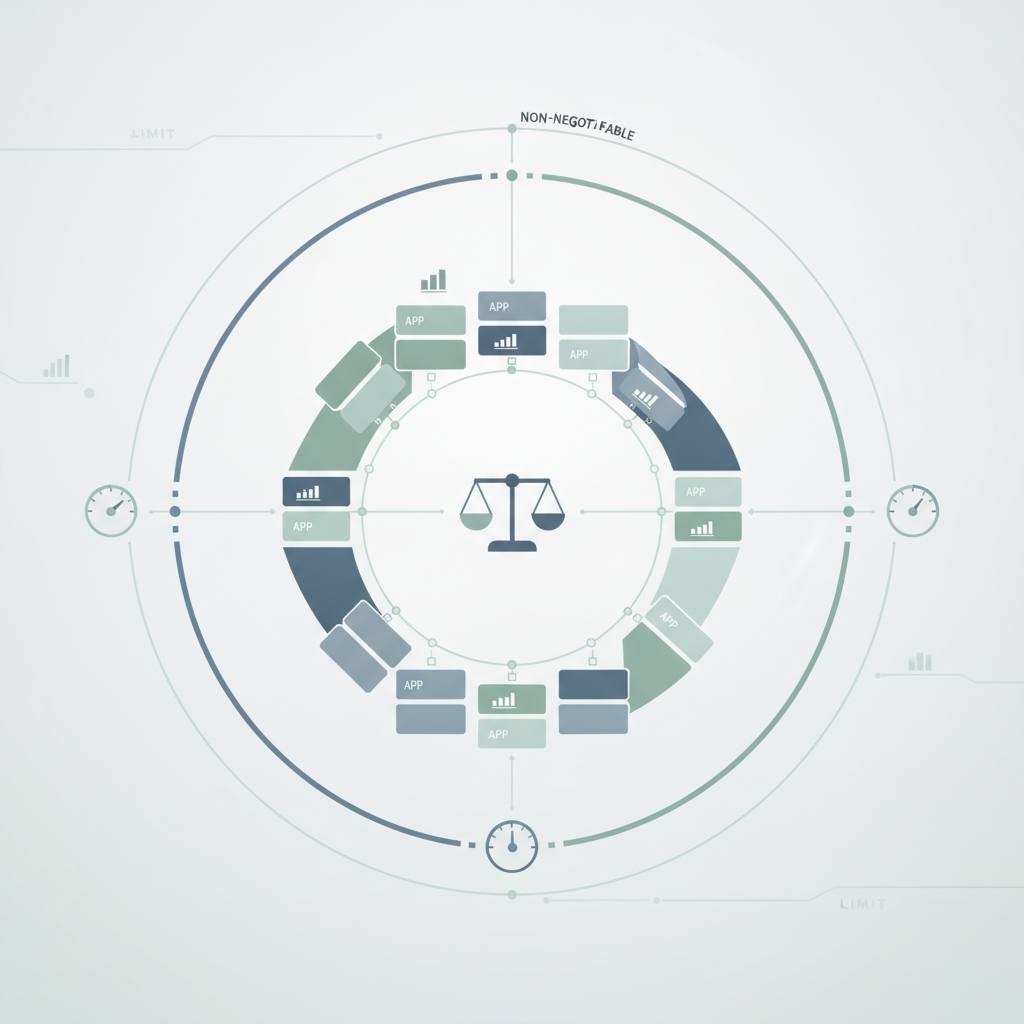
The solution is simple yet powerful: setting explicit resource limits. In Kubernetes, you can tell the system how much resource an application needs to start (via 'requests') and what the absolute maximum it can use is (via 'limits'). For instance, you might request 256 MiB of memory for an application as a minimum, and allow it to use up to 512 MiB as a hard maximum. This is like installing a dedicated electricity meter for each apartment, complete with a circuit breaker to ensure the maximum limit isn't exceeded. These limits ensure that one application cannot hog all the server's resources, thereby protecting other applications and maintaining the stability and efficiency of the entire system. Ignoring these limits can lead to costly disruptions and breaches of service level agreements (SLAs).