When sending sensitive information online, we often assume encryption makes it totally secure. However, recent news highlights that simply hiding the message isn't enough; we also need to ensure it hasn't been tampered with during transit, which is what modern encryption methods achieve.
You might have seen headlines recently about web security, specifically about 'AES-GCM vs AES-CBC' and why older methods like CBC are failing in modern web apps. What does this mean for your online activities, like shopping, banking, or chatting? In simple terms, encrypting data means scrambling it so no one can read it without the secret key. This is called 'confidentiality'.
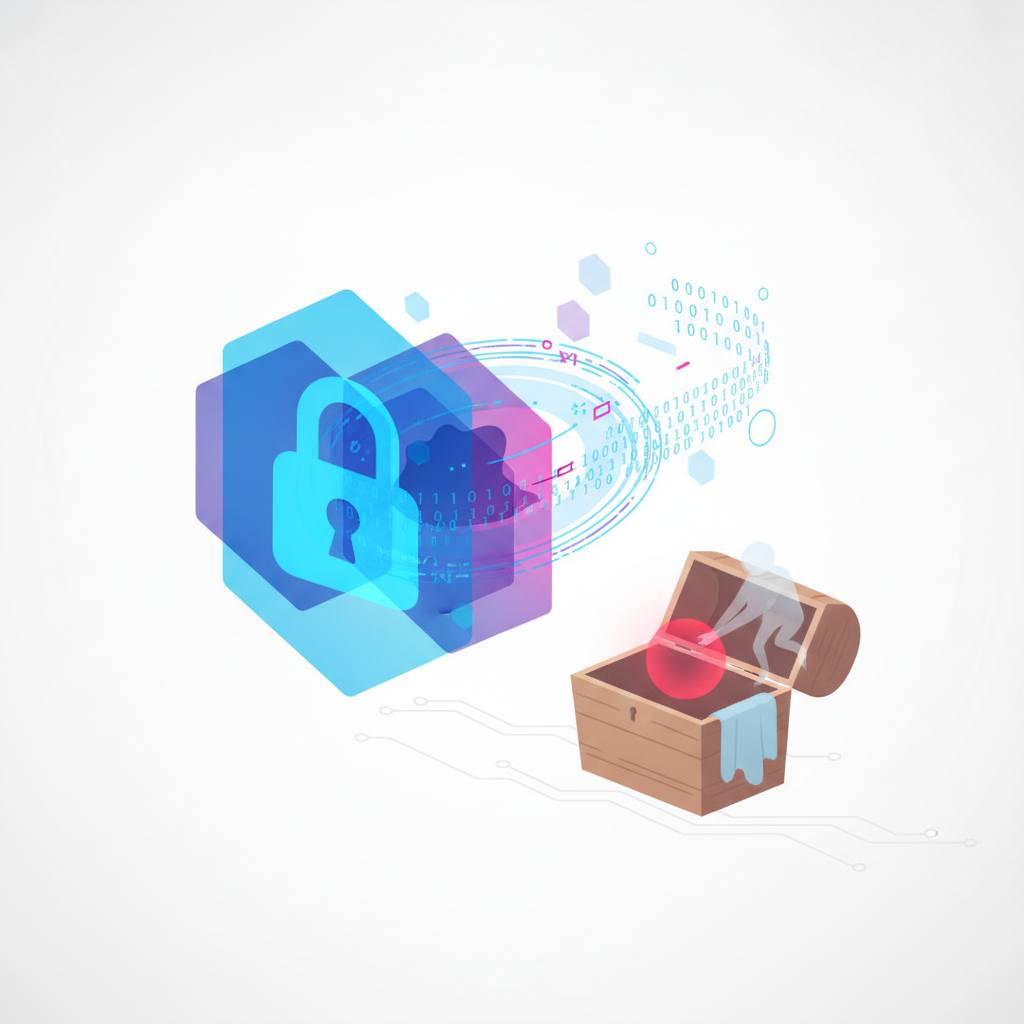
Think of it like putting a valuable letter into a secure, locked box. Only someone with the right key can open it and read the letter. This is what AES-CBC (Cipher Block Chaining) tries to do. But here's the catch: even if the box is locked, what if someone *tampers* with the box itself? What if they subtly change parts of the letter *inside* the locked box without breaking the lock, or they figure out how to mess with the lock to make you think it's secure when it's not? With AES-CBC, clever attackers can sometimes do just that. They can change the encrypted message in subtle ways that, when decrypted, might lead to unexpected or malicious outcomes, even if they can't *read* the original message. This means your data's 'integrity' is compromised.
Integrity means ensuring the data hasn't been changed or corrupted. For modern web applications, just hiding the data (confidentiality) isn't enough. We also need to be absolutely sure that the data we receive is exactly what was sent. This is where AES-GCM (Galois/Counter Mode) comes in. Imagine our locked box again, but this time, it's not just locked; it also has a special tamper-evident seal. If anyone tries to open the box or change its contents, the seal will break. When you receive the box, you don't just check the lock; you also check the seal. If the seal is intact, you know the contents are both confidential (locked) and have integrity (untouched). AES-GCM does this for your digital messages. It doesn't just encrypt the data; it also creates a unique 'tag' or 'signature' for the encrypted message. If even a single bit of the encrypted message is changed, or if someone tries to forge a message, the tag won't match, and the system immediately knows the data has been tampered with. It rejects the message, preventing potential disasters like giving attackers access or accepting fraudulent transactions.
So, while AES (Advanced Encryption Standard) is still the strong lock, how we *use* that lock (the 'mode' like CBC or GCM) makes all the difference. For modern web security, where attacks are sophisticated, AES-GCM is the recommended standard because it offers both strong confidentiality and crucial integrity protection, making your online interactions truly secure. So, if you ever wondered 'Why is my web data secure?' or 'What's the best way to encrypt data online?', the answer lies in understanding that true security requires both confidentiality and integrity, precisely what AES-GCM provides.
Think of it like putting a valuable letter into a secure, locked box. Only someone with the right key can open it and read the letter. This is what AES-CBC (Cipher Block Chaining) tries to do. But here's the catch: even if the box is locked, what if someone *tampers* with the box itself? What if they subtly change parts of the letter *inside* the locked box without breaking the lock, or they figure out how to mess with the lock to make you think it's secure when it's not? With AES-CBC, clever attackers can sometimes do just that. They can change the encrypted message in subtle ways that, when decrypted, might lead to unexpected or malicious outcomes, even if they can't *read* the original message. This means your data's 'integrity' is compromised.
Integrity means ensuring the data hasn't been changed or corrupted. For modern web applications, just hiding the data (confidentiality) isn't enough. We also need to be absolutely sure that the data we receive is exactly what was sent. This is where AES-GCM (Galois/Counter Mode) comes in. Imagine our locked box again, but this time, it's not just locked; it also has a special tamper-evident seal. If anyone tries to open the box or change its contents, the seal will break. When you receive the box, you don't just check the lock; you also check the seal. If the seal is intact, you know the contents are both confidential (locked) and have integrity (untouched). AES-GCM does this for your digital messages. It doesn't just encrypt the data; it also creates a unique 'tag' or 'signature' for the encrypted message. If even a single bit of the encrypted message is changed, or if someone tries to forge a message, the tag won't match, and the system immediately knows the data has been tampered with. It rejects the message, preventing potential disasters like giving attackers access or accepting fraudulent transactions.
So, while AES (Advanced Encryption Standard) is still the strong lock, how we *use* that lock (the 'mode' like CBC or GCM) makes all the difference. For modern web security, where attacks are sophisticated, AES-GCM is the recommended standard because it offers both strong confidentiality and crucial integrity protection, making your online interactions truly secure. So, if you ever wondered 'Why is my web data secure?' or 'What's the best way to encrypt data online?', the answer lies in understanding that true security requires both confidentiality and integrity, precisely what AES-GCM provides.