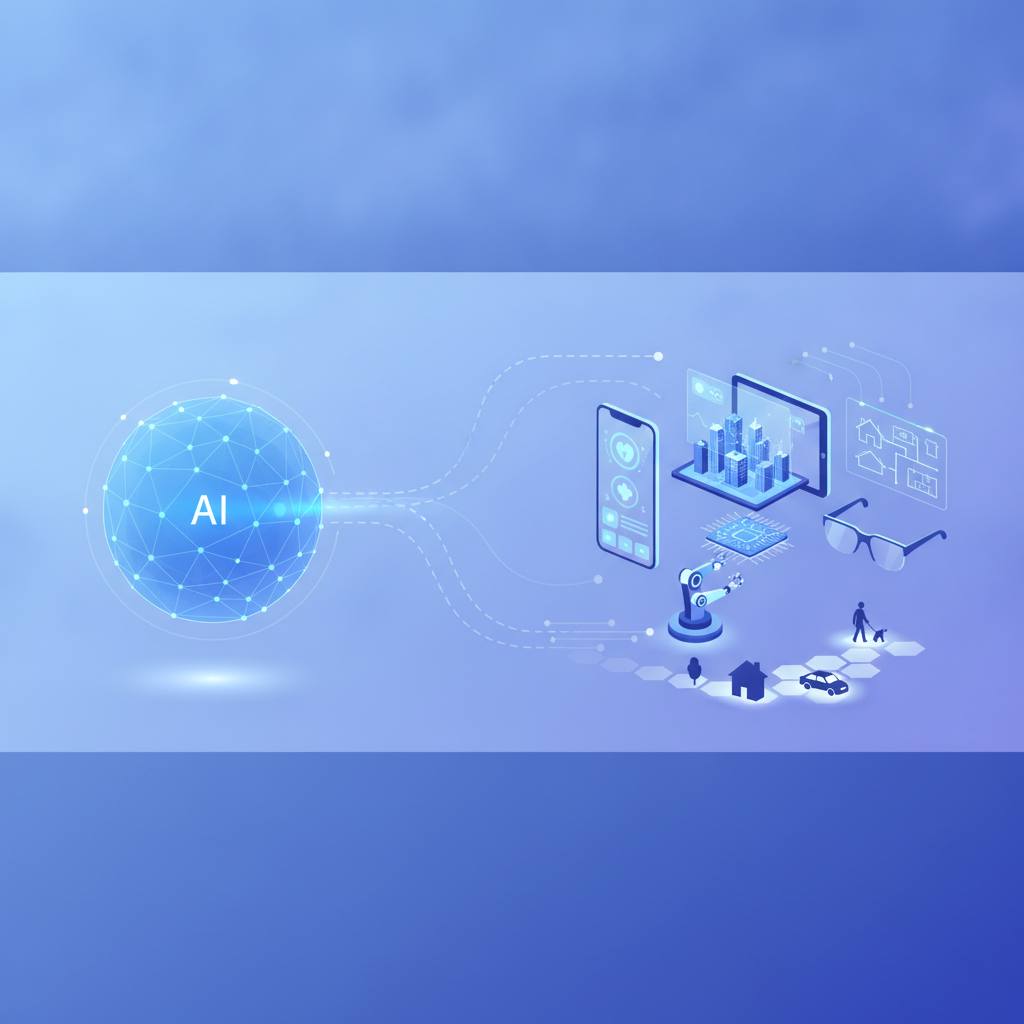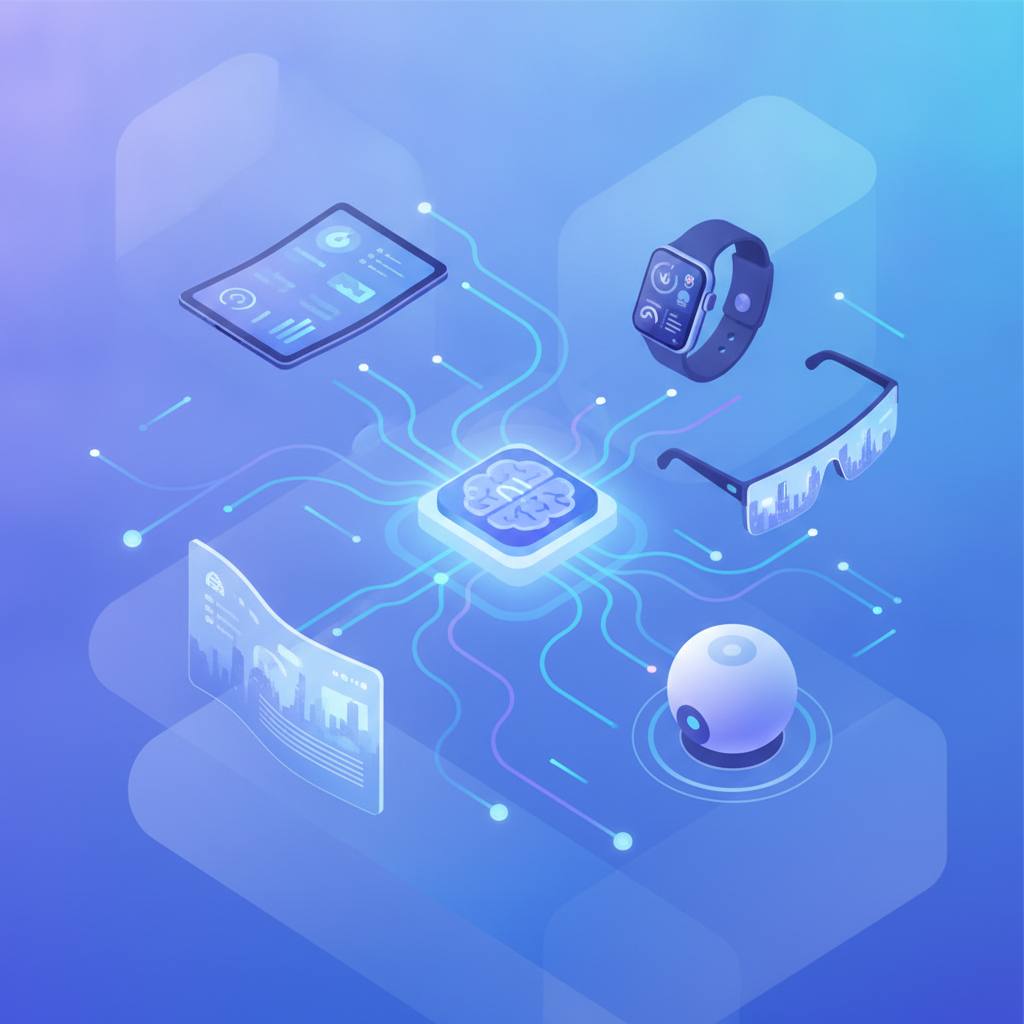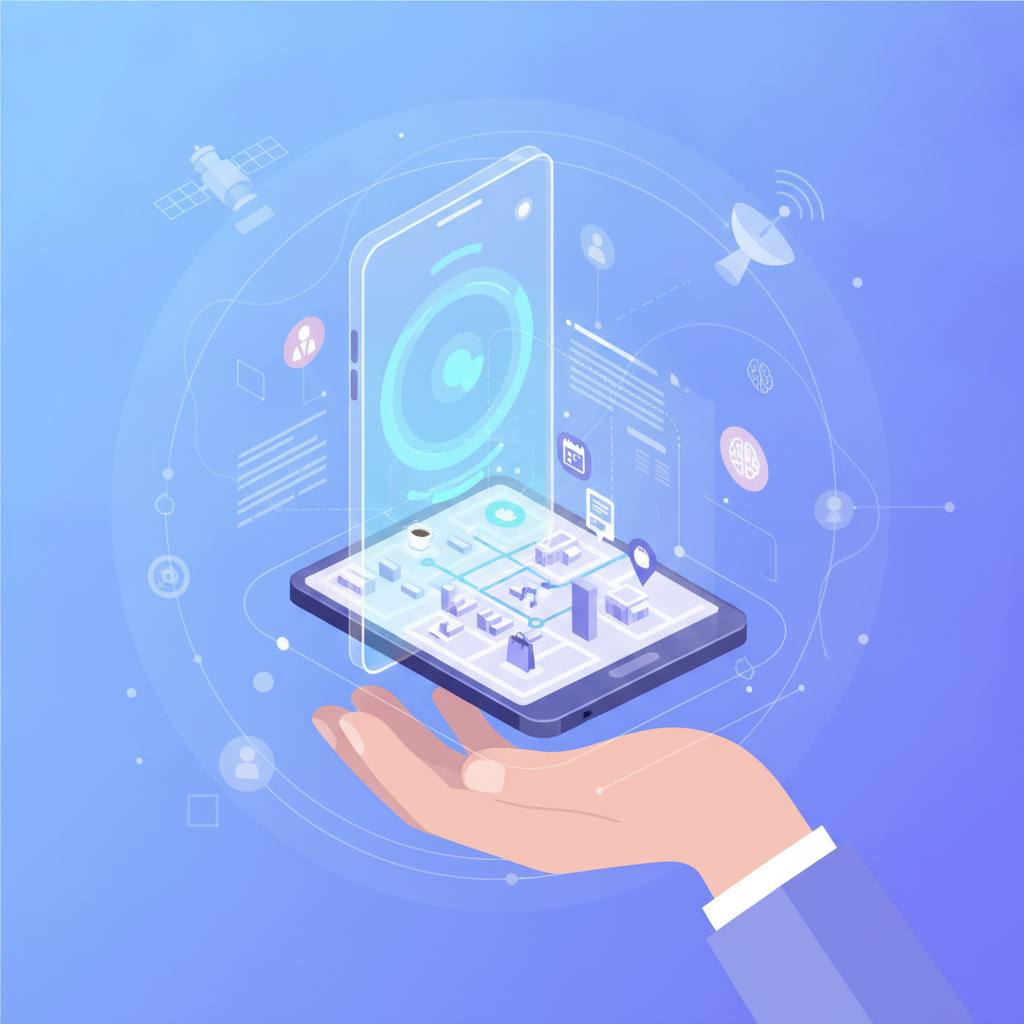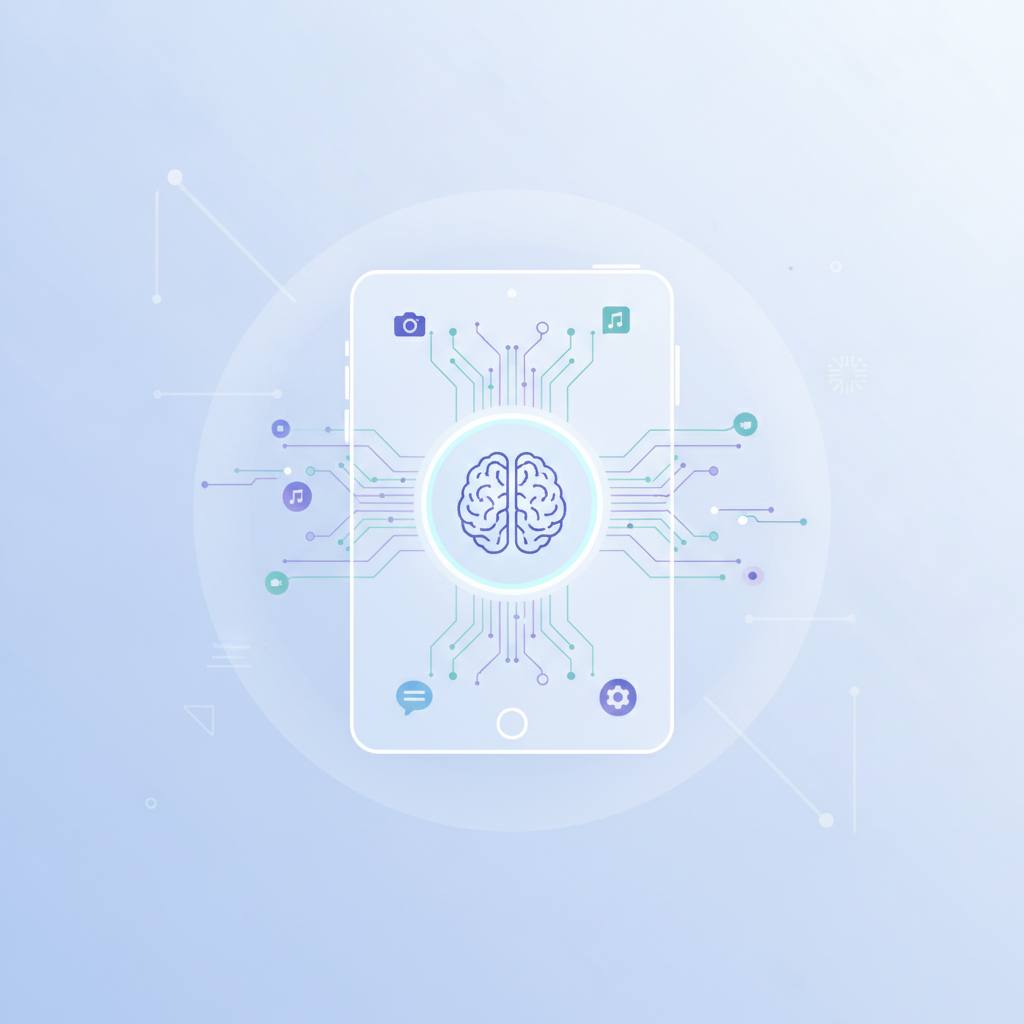
We foresee a significant shift towards more powerful on-device computing, enabling advanced AI and immersive experiences directly on user devices and at the edge of physical operations. This trajectory promises enhanced efficiency, privacy, and accessibility across various sectors.
The latest technological advancements point to a clear path toward empowering more intelligence and processing power locally, directly on devices and at the actual points of operation, rather than relying solely on distant cloud processing. We are seeing this trend unfold across multiple domains.
In the realm of mobile hardware, manufacturers continue to push boundaries. With phones like the rumored Redmi Turbo 6 Max featuring a massive 10,000mAh battery and a 7-inch display, it's evident that we're moving towards devices capable of longer operational times and more immersive visual experiences. This increasing on-device capability paves the way for handling more complex tasks directly on the device, reducing the need for constant internet connectivity or reliance on external servers.
Parallel to this, software advancements are enabling powerful AI tools to run directly within web browsers. The ability to execute sophisticated models like LaMa Inpainting and Real-ESRGAN for watermark removal and image enhancement inside a browser, without uploading data to servers or requiring server-side GPUs, represents a significant leap. This means users benefit from greater speed, enhanced data privacy, and more accessible and flexible access to these advanced tools.
This trend isn't limited to personal devices. In industrial sectors, we are witnessing the application of physical AI, where technologies like edge vision are used to monitor construction sites. This allows for real-time data analysis on-site to forecast potential schedule slips. Processing and analyzing data «at the edge»—meaning at the very location where the event is happening—provides immediate insights and significantly improves operational efficiency, reducing response times and fostering informed decision-making.
Ultimately, this convergence of powerful local hardware, browser-based AI, and edge computing in industrial applications underscores a future where processing and artificial intelligence are brought closer to the user and the point of action. These developments will lead to faster, more secure, and more resilient applications, making technology more responsive and deeply integrated into our daily lives and industrial processes.
In the realm of mobile hardware, manufacturers continue to push boundaries. With phones like the rumored Redmi Turbo 6 Max featuring a massive 10,000mAh battery and a 7-inch display, it's evident that we're moving towards devices capable of longer operational times and more immersive visual experiences. This increasing on-device capability paves the way for handling more complex tasks directly on the device, reducing the need for constant internet connectivity or reliance on external servers.
Parallel to this, software advancements are enabling powerful AI tools to run directly within web browsers. The ability to execute sophisticated models like LaMa Inpainting and Real-ESRGAN for watermark removal and image enhancement inside a browser, without uploading data to servers or requiring server-side GPUs, represents a significant leap. This means users benefit from greater speed, enhanced data privacy, and more accessible and flexible access to these advanced tools.
This trend isn't limited to personal devices. In industrial sectors, we are witnessing the application of physical AI, where technologies like edge vision are used to monitor construction sites. This allows for real-time data analysis on-site to forecast potential schedule slips. Processing and analyzing data «at the edge»—meaning at the very location where the event is happening—provides immediate insights and significantly improves operational efficiency, reducing response times and fostering informed decision-making.
Ultimately, this convergence of powerful local hardware, browser-based AI, and edge computing in industrial applications underscores a future where processing and artificial intelligence are brought closer to the user and the point of action. These developments will lead to faster, more secure, and more resilient applications, making technology more responsive and deeply integrated into our daily lives and industrial processes.