Apple's focus on 'iPhone Duo'-compatible apps, the rise of NATS in AI chat backends, and new Fitbit wearables all point to a future where technology offers highly integrated, context-aware experiences.
Today’s technology is rapidly heading towards a period of specialization and tight integration, with a clear focus on enhancing the end-user experience. We are seeing this trend unfold in several key areas.
Firstly, Apple's strong push for developers to optimize their apps for the new 'iPhone Duo', even before its public release, tells us a lot. This isn't just about a new dual-screen device; it's an invitation for developers to rethink how their applications interact with users. The goal is to deliver a seamless experience that adapts to how the device is being used, whether that involves splitting tasks across two screens or presenting rich information more effectively. Apple expects developers to be ready to support these evolving multi-screen interfaces, paving the way for more flexible and intelligent applications that gracefully handle new device form factors.
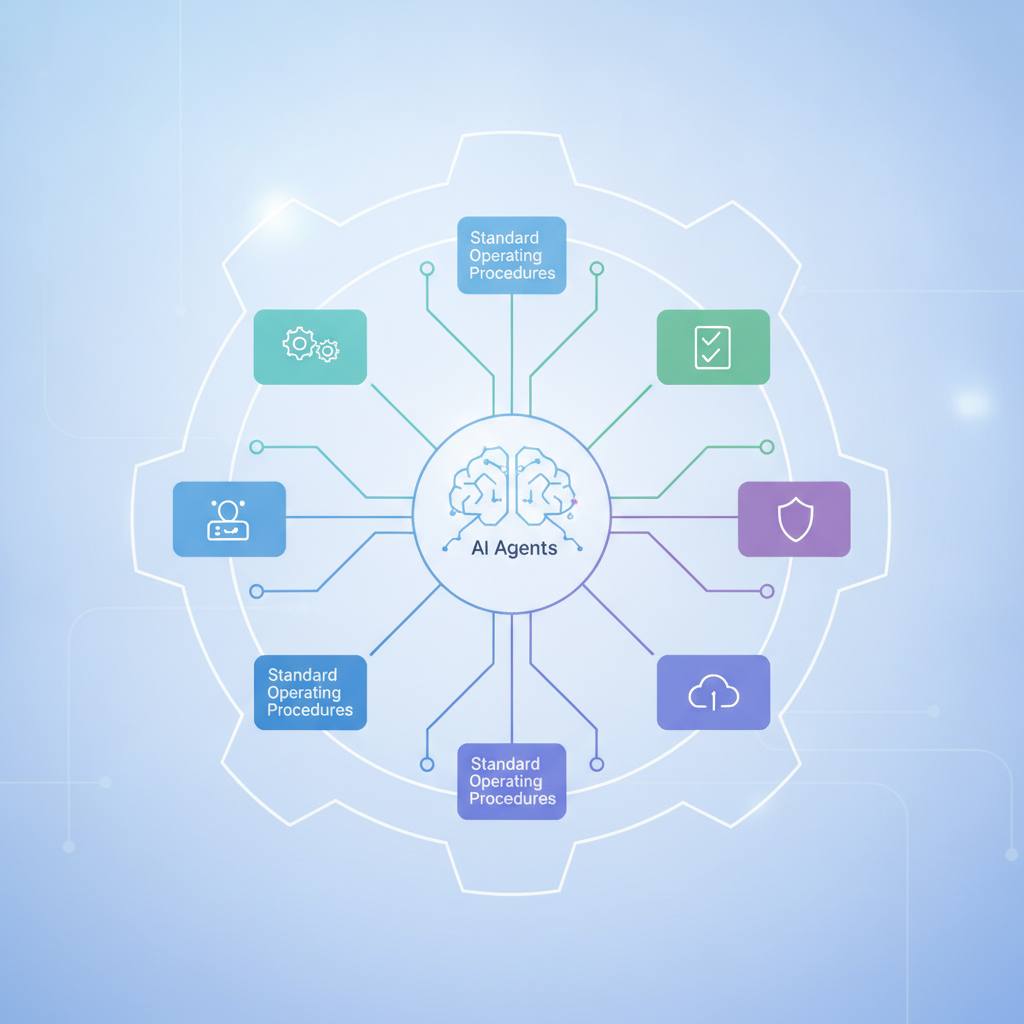
Secondly, the emergence of solutions like NATS as a backend for AI-powered chat applications highlights a growing need for robust and efficient systems. These applications demand real-time data processing, rapid token streaming to users, conversation history management, and per-tenant usage metering. Such requirements necessitate advanced messaging platforms that go beyond traditional offerings, providing the efficiency and speed crucial for operating interactive AI services at scale. This indicates that the foundational infrastructure for AI is becoming more sophisticated and capable of meeting dynamic demands.
Finally, the leaks surrounding Google’s new 'Fitbit Edge' device confirm the continued innovation in the wearable technology sector. These devices are no longer just step counters; they are integrating more deeply into our health routines, providing valuable data that can feed into AI systems for analysis and personalized recommendations.
In essence, the tech landscape is evolving towards smarter, more personalized digital experiences. Applications will automatically adapt to different screen sizes and new usage patterns. Backend infrastructure will become more specialized and capable of handling the vast data streams generated by advanced AI services. And wearables will continue to seamlessly embed themselves into our daily lives, offering tailored health insights. All of this means that technology will become less intrusive and more understanding of our individual needs, providing a truly fluid and harmonious experience.
Firstly, Apple's strong push for developers to optimize their apps for the new 'iPhone Duo', even before its public release, tells us a lot. This isn't just about a new dual-screen device; it's an invitation for developers to rethink how their applications interact with users. The goal is to deliver a seamless experience that adapts to how the device is being used, whether that involves splitting tasks across two screens or presenting rich information more effectively. Apple expects developers to be ready to support these evolving multi-screen interfaces, paving the way for more flexible and intelligent applications that gracefully handle new device form factors.
Secondly, the emergence of solutions like NATS as a backend for AI-powered chat applications highlights a growing need for robust and efficient systems. These applications demand real-time data processing, rapid token streaming to users, conversation history management, and per-tenant usage metering. Such requirements necessitate advanced messaging platforms that go beyond traditional offerings, providing the efficiency and speed crucial for operating interactive AI services at scale. This indicates that the foundational infrastructure for AI is becoming more sophisticated and capable of meeting dynamic demands.
Finally, the leaks surrounding Google’s new 'Fitbit Edge' device confirm the continued innovation in the wearable technology sector. These devices are no longer just step counters; they are integrating more deeply into our health routines, providing valuable data that can feed into AI systems for analysis and personalized recommendations.
In essence, the tech landscape is evolving towards smarter, more personalized digital experiences. Applications will automatically adapt to different screen sizes and new usage patterns. Backend infrastructure will become more specialized and capable of handling the vast data streams generated by advanced AI services. And wearables will continue to seamlessly embed themselves into our daily lives, offering tailored health insights. All of this means that technology will become less intrusive and more understanding of our individual needs, providing a truly fluid and harmonious experience.