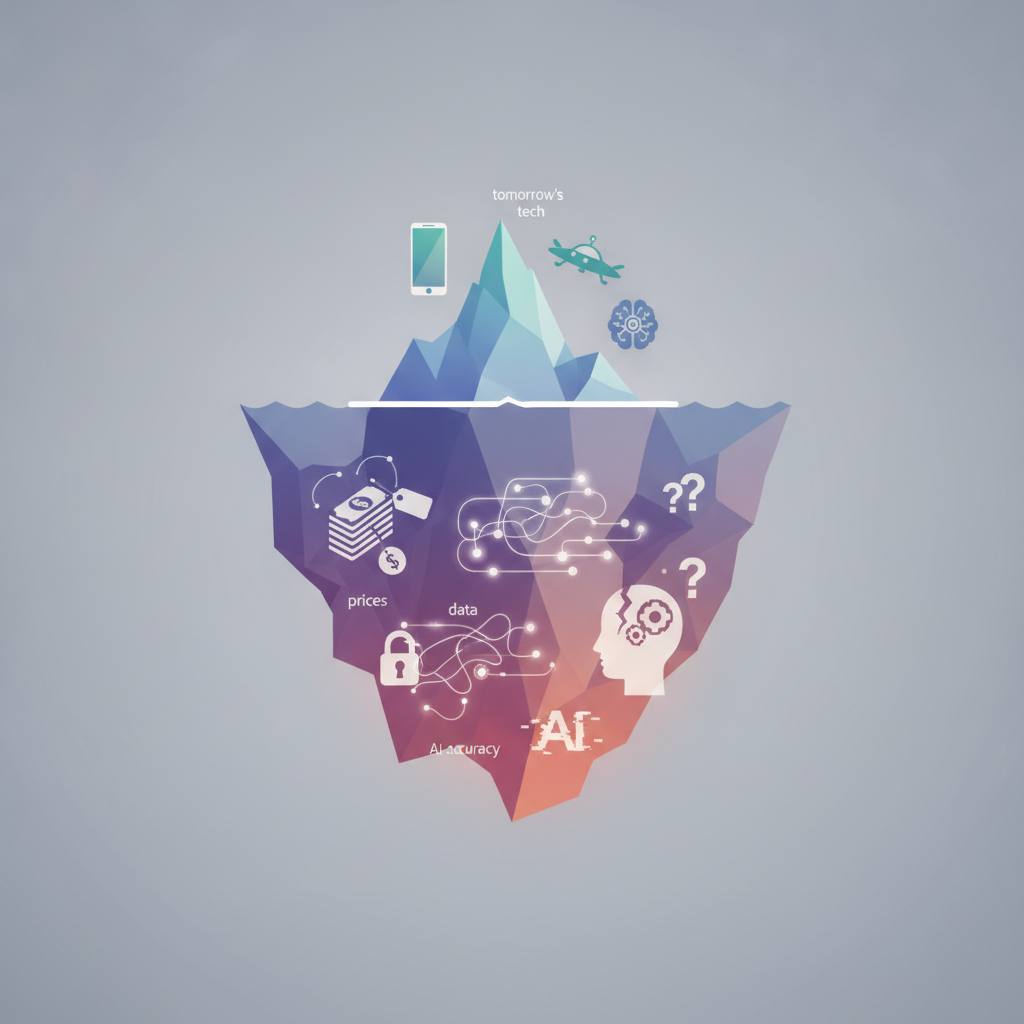
Expect to pay more for advanced gadgets as hidden costs rise across the tech world. Future security solutions will demand larger data footprints, while keeping AI tools reliable will depend on better context management.
The tech landscape is evolving, and recent news points to several quiet shifts that will impact users and developers alike. First, the surprising price hike for Samsung's Galaxy S26 phones, even months after launch, suggests a broader trend. Gone might be the days of consistent price drops for popular devices. This move, affecting major markets like the US, Europe, and India, indicates that producing cutting-edge hardware is becoming more expensive. Whether due to complex supply chains, rising component costs, or simply strong demand allowing manufacturers to maintain higher margins, consumers should prepare for premium gadgets to carry a premium price tag for longer. This could mean we hold onto our phones for more years, or we start looking more closely at mid-range alternatives.
Meanwhile, behind the scenes of programming, a significant change is brewing with post-quantum cryptography. The adoption of future-proof security, like CRYSTALS-Dilithium-5, comes with a substantial 'entry fee': transaction signatures that are many times larger than what we are used to today. An Ed25519 signature is around 64 bytes; a Dilithium-5 one is close to 4,600 bytes. This 65-fold increase in data isn't just a technical detail. It translates to more data being stored, transmitted, and processed for every secure interaction. While essential for protecting against future quantum computing threats, this will quietly add to the operational costs for developers and the infrastructure required to support secure online activities. We will need to adapt our systems to handle this increased data load efficiently.
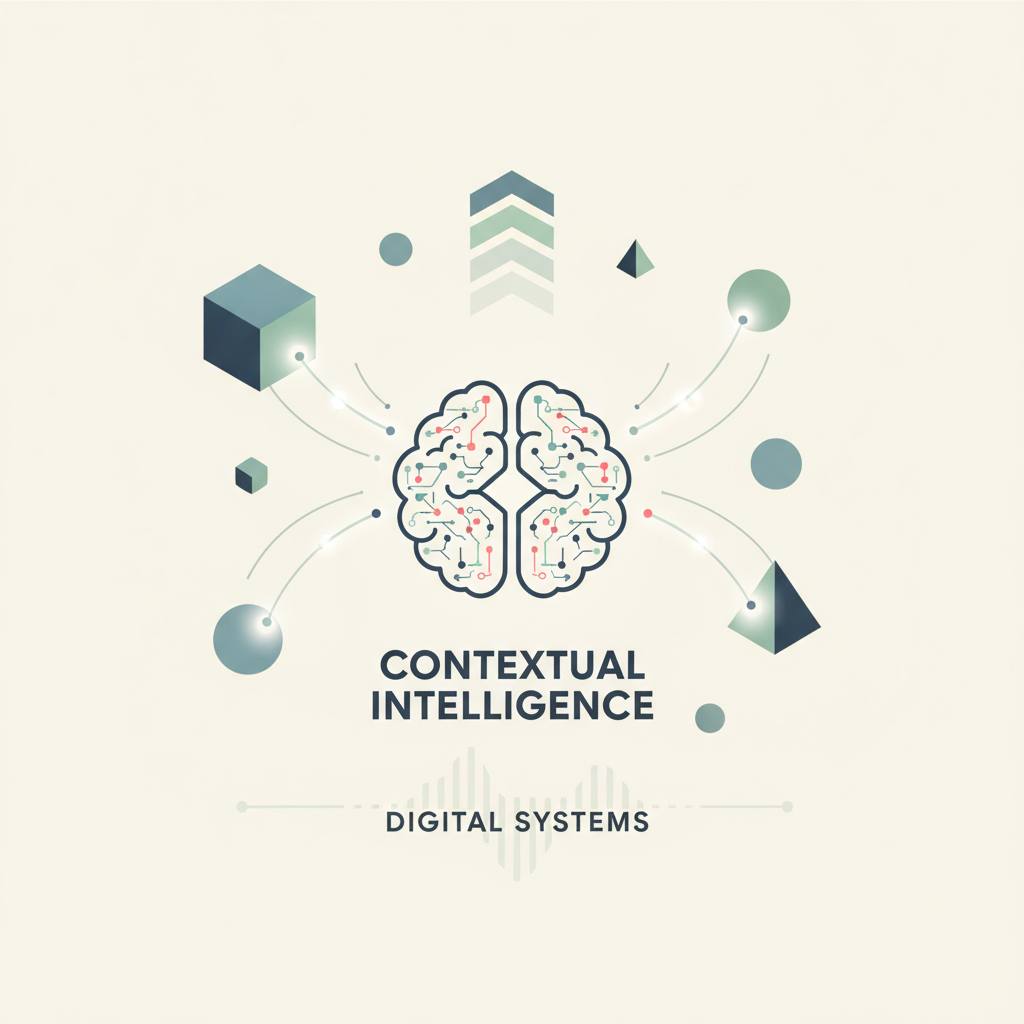
Finally, as AI tools become central to our work, ensuring their accuracy is a growing challenge. The problem highlighted by Braxis — AI agents 'hallucinating' because their context files are out of date — is a common frustration. Tools like Claude Code or Copilot rely on an up-to-date understanding of a project to be effective. When code changes and that context isn't automatically updated, errors creep in. The emergence of solutions that automatically synchronize AI agent context with code signals a critical need. We can expect a push towards more intelligent, self-updating AI environments. This will be vital for maintaining trust and productivity as AI becomes more deeply embedded in everything from software development to creative tasks. These trends collectively paint a picture where advanced technology demands more from us, whether through direct costs, increased data overheads, or the need for sophisticated management tools.
Meanwhile, behind the scenes of programming, a significant change is brewing with post-quantum cryptography. The adoption of future-proof security, like CRYSTALS-Dilithium-5, comes with a substantial 'entry fee': transaction signatures that are many times larger than what we are used to today. An Ed25519 signature is around 64 bytes; a Dilithium-5 one is close to 4,600 bytes. This 65-fold increase in data isn't just a technical detail. It translates to more data being stored, transmitted, and processed for every secure interaction. While essential for protecting against future quantum computing threats, this will quietly add to the operational costs for developers and the infrastructure required to support secure online activities. We will need to adapt our systems to handle this increased data load efficiently.
Finally, as AI tools become central to our work, ensuring their accuracy is a growing challenge. The problem highlighted by Braxis — AI agents 'hallucinating' because their context files are out of date — is a common frustration. Tools like Claude Code or Copilot rely on an up-to-date understanding of a project to be effective. When code changes and that context isn't automatically updated, errors creep in. The emergence of solutions that automatically synchronize AI agent context with code signals a critical need. We can expect a push towards more intelligent, self-updating AI environments. This will be vital for maintaining trust and productivity as AI becomes more deeply embedded in everything from software development to creative tasks. These trends collectively paint a picture where advanced technology demands more from us, whether through direct costs, increased data overheads, or the need for sophisticated management tools.