Digital systems, from content platforms to job applications, are evolving to understand context and user intent more deeply, moving beyond simple data processing. This shift will create more intuitive experiences and efficient interactions across various technological domains.
Today's tech news highlights a critical challenge: our digital systems often struggle to grasp the full picture. Whether it is a game developer submitting their work to a platform like itch.io, or an engineer applying for a job, success often hinges on how well automated systems interpret a 'bundle' of information, not just raw data. We see this with game submissions, where the game code alone is not enough; instructions, screenshots, and device compatibility all form part of the crucial 'bundle'. If these elements are not presented effectively, the player's experience suffers. Similarly, Applicant Tracking Systems (ATS) reject qualified candidates because they «parse» rather than «read» resumes, missing crucial context.
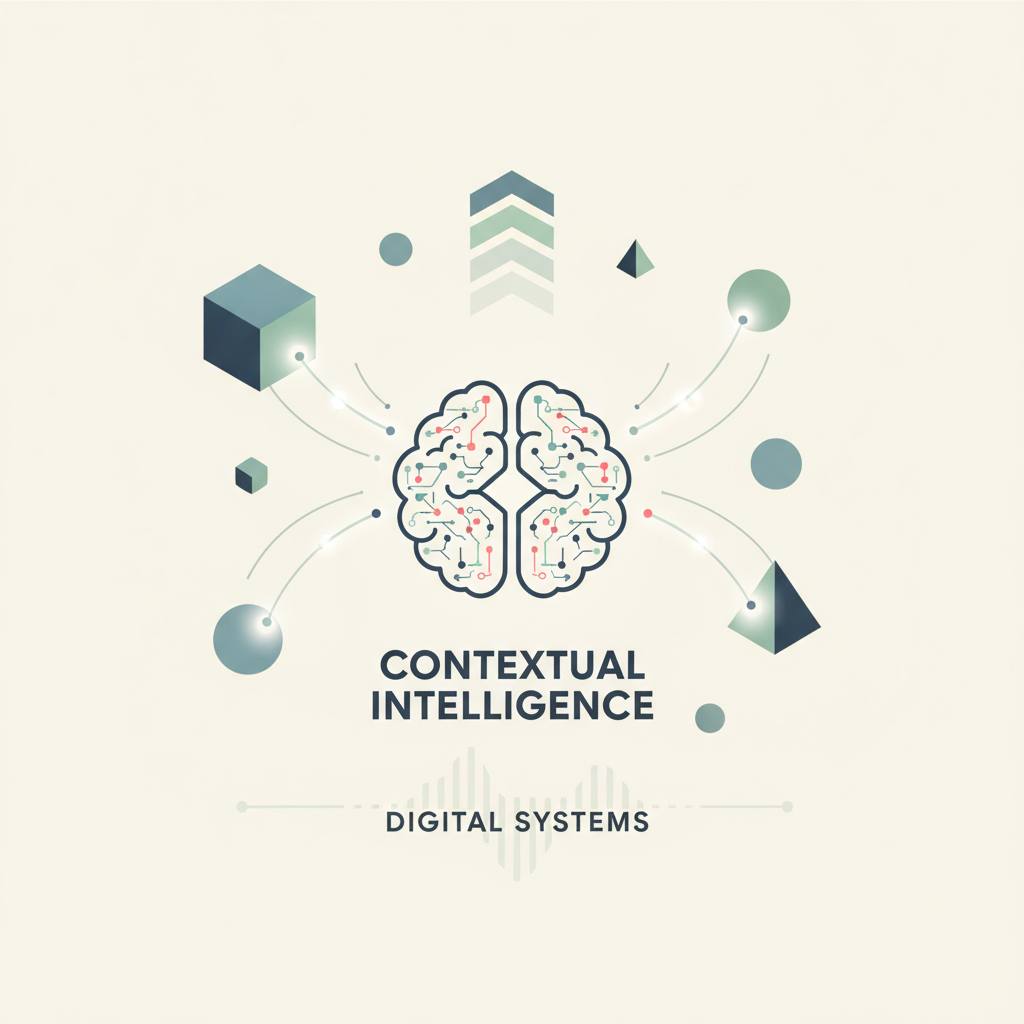
This gap between human intent and machine understanding is not just a minor inconvenience; it is a fundamental barrier. But this is also where we see the future heading. We predict a rapid evolution towards systems with enhanced contextual intelligence. Imagine platforms that can intuitively understand the entirety of a game submission, automatically identifying missing explanations or recommending optimal screenshot orders based on player feedback and best practices. Recruitment systems will advance beyond keyword matching, employing smarter AI to genuinely comprehend the skills and experiences detailed in a resume, regardless of its exact formatting.
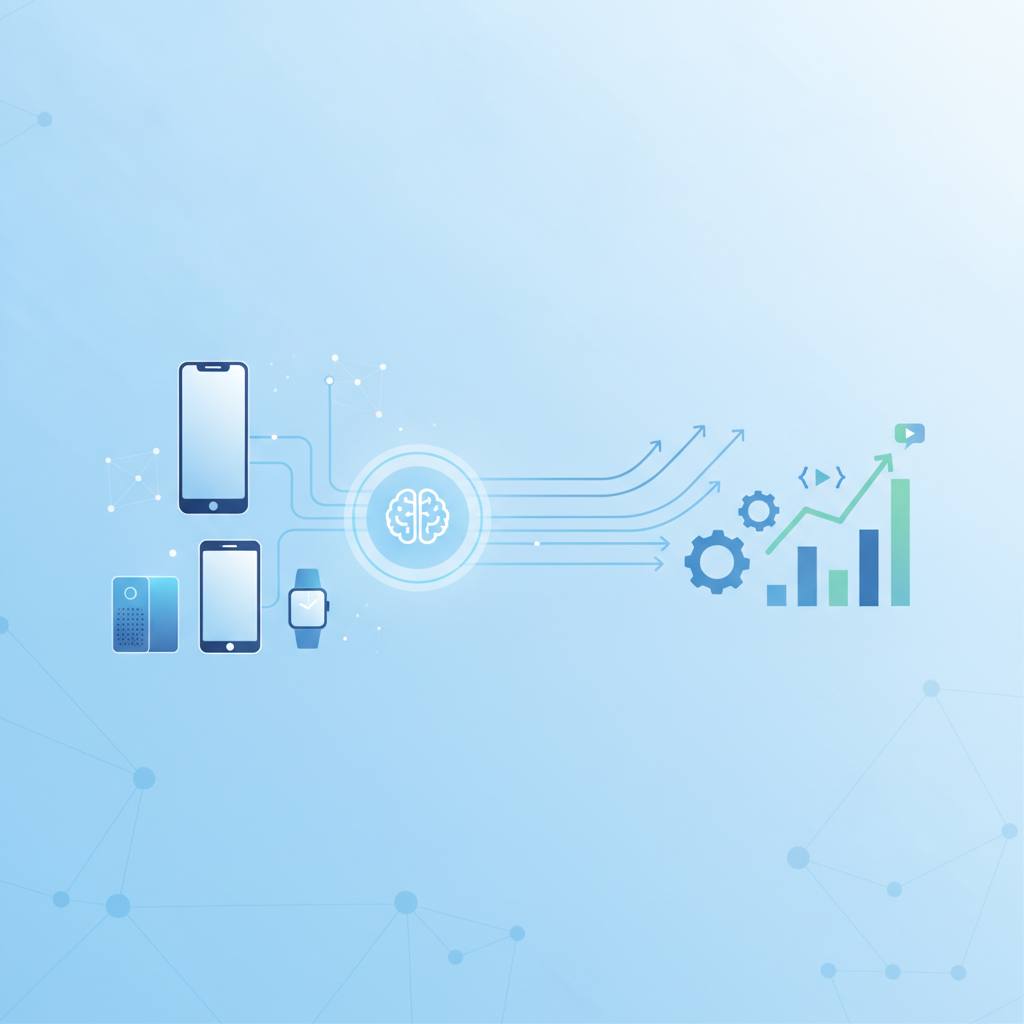
This shift isn't limited to software. As new hardware innovations like Motorola's wide foldable phones emerge, they demand more intelligent interfaces that adapt to diverse user needs and physical interactions. Future devices will integrate seamlessly into our lives because the underlying systems will anticipate our actions and understand our preferences with greater nuance. We are moving towards an era where technology doesn't just process information; it understands it, creating more personalized, efficient, and ultimately, more human-centric digital experiences. Developers and companies will focus heavily on building this deeper contextual awareness into all their products and services.
This gap between human intent and machine understanding is not just a minor inconvenience; it is a fundamental barrier. But this is also where we see the future heading. We predict a rapid evolution towards systems with enhanced contextual intelligence. Imagine platforms that can intuitively understand the entirety of a game submission, automatically identifying missing explanations or recommending optimal screenshot orders based on player feedback and best practices. Recruitment systems will advance beyond keyword matching, employing smarter AI to genuinely comprehend the skills and experiences detailed in a resume, regardless of its exact formatting.
This shift isn't limited to software. As new hardware innovations like Motorola's wide foldable phones emerge, they demand more intelligent interfaces that adapt to diverse user needs and physical interactions. Future devices will integrate seamlessly into our lives because the underlying systems will anticipate our actions and understand our preferences with greater nuance. We are moving towards an era where technology doesn't just process information; it understands it, creating more personalized, efficient, and ultimately, more human-centric digital experiences. Developers and companies will focus heavily on building this deeper contextual awareness into all their products and services.