Based on recent tech news, we foresee a future where gaming hardware innovations are deliberate and impactful, and cloud infrastructure becomes more intelligent and cost-efficient. As smartphone companies streamline their product lines through strategic rebranding, these trends point towards a more considered and optimized approach to technology development and deployment.
The tech world is always moving forward, but recent news suggests a more thoughtful, efficient evolution is underway across several key areas. From handheld gaming to cloud infrastructure and smartphone releases, the focus is shifting towards smarter decisions and optimized operations.
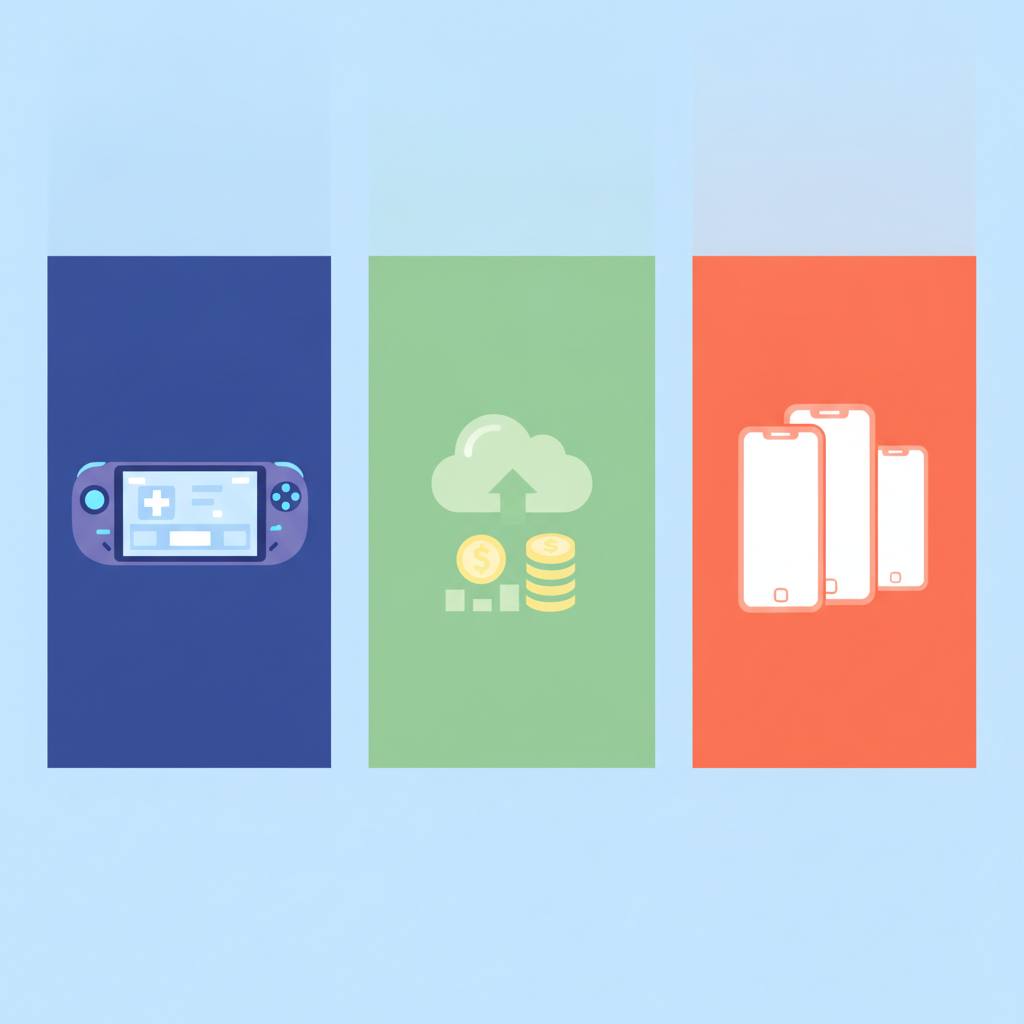
Consider Valve's approach to the Steam Deck 2. Despite launching new hardware like the Steam Controller, Steam Machine, and Steam Frame, Valve is not rushing a successor to its popular handheld. Their internal discussions about 'how and when' to deliver a Steam Deck 2 highlight a growing trend: companies are prioritizing significant, meaningful upgrades over rapid, incremental iterations. This suggests that future gaming handhelds will likely emerge only when there are substantial leaps in underlying technology—be it processing power, battery life, or new interactive features—that genuinely enhance the user experience. We expect this patient strategy to lead to fewer, but more impactful, hardware releases in the gaming sector, ensuring each new device truly pushes the boundaries of portable play rather than just offering minor improvements.
In cloud computing, the struggle with over-provisioned node groups, as seen with EKS clusters, is a clear indicator of a shift towards greater efficiency. Tools like Karpenter, which dynamically manage cloud resources, are becoming essential. This trend means that businesses will increasingly move away from manual capacity planning and conservative estimates that lead to wasted resources. The future of cloud infrastructure will be defined by autonomous, real-time scaling solutions. These systems will precisely match resource allocation to actual demand, eliminating idle capacity and significantly reducing operational costs. This intelligent automation will free up IT teams to focus on innovation rather than resource management, making cloud deployments more agile and economical.
Finally, the smartphone market, exemplified by the Oppo F35 series leaks, reveals an ongoing trend of strategic rebranding. When the F35 Pro appears to be a rebranded A7 Pro Max, it’s not just a one-off event; it reflects a broader industry move. As the market matures, particularly in competitive segments, manufacturers are seeking efficiencies in design, production, and marketing. We anticipate that companies will increasingly leverage successful designs and internal components across different models or regions. This approach allows them to streamline supply chains, optimize costs, and accelerate time-to-market. While consumers might see fewer entirely novel designs in certain price brackets, this strategy enables manufacturers to offer a wider range of tailored options more efficiently, focusing differentiation on software experiences, camera capabilities, or specific regional pricing strategies. The emphasis will be on smart market positioning rather than constant hardware reinvention.
Consider Valve's approach to the Steam Deck 2. Despite launching new hardware like the Steam Controller, Steam Machine, and Steam Frame, Valve is not rushing a successor to its popular handheld. Their internal discussions about 'how and when' to deliver a Steam Deck 2 highlight a growing trend: companies are prioritizing significant, meaningful upgrades over rapid, incremental iterations. This suggests that future gaming handhelds will likely emerge only when there are substantial leaps in underlying technology—be it processing power, battery life, or new interactive features—that genuinely enhance the user experience. We expect this patient strategy to lead to fewer, but more impactful, hardware releases in the gaming sector, ensuring each new device truly pushes the boundaries of portable play rather than just offering minor improvements.
In cloud computing, the struggle with over-provisioned node groups, as seen with EKS clusters, is a clear indicator of a shift towards greater efficiency. Tools like Karpenter, which dynamically manage cloud resources, are becoming essential. This trend means that businesses will increasingly move away from manual capacity planning and conservative estimates that lead to wasted resources. The future of cloud infrastructure will be defined by autonomous, real-time scaling solutions. These systems will precisely match resource allocation to actual demand, eliminating idle capacity and significantly reducing operational costs. This intelligent automation will free up IT teams to focus on innovation rather than resource management, making cloud deployments more agile and economical.
Finally, the smartphone market, exemplified by the Oppo F35 series leaks, reveals an ongoing trend of strategic rebranding. When the F35 Pro appears to be a rebranded A7 Pro Max, it’s not just a one-off event; it reflects a broader industry move. As the market matures, particularly in competitive segments, manufacturers are seeking efficiencies in design, production, and marketing. We anticipate that companies will increasingly leverage successful designs and internal components across different models or regions. This approach allows them to streamline supply chains, optimize costs, and accelerate time-to-market. While consumers might see fewer entirely novel designs in certain price brackets, this strategy enables manufacturers to offer a wider range of tailored options more efficiently, focusing differentiation on software experiences, camera capabilities, or specific regional pricing strategies. The emphasis will be on smart market positioning rather than constant hardware reinvention.