Technology is moving towards deeper foundational control, from localized hardware manufacturing to more precise data management. Expect a future where robust, standardized systems are paramount, addressing complexities often hidden in plain sight.
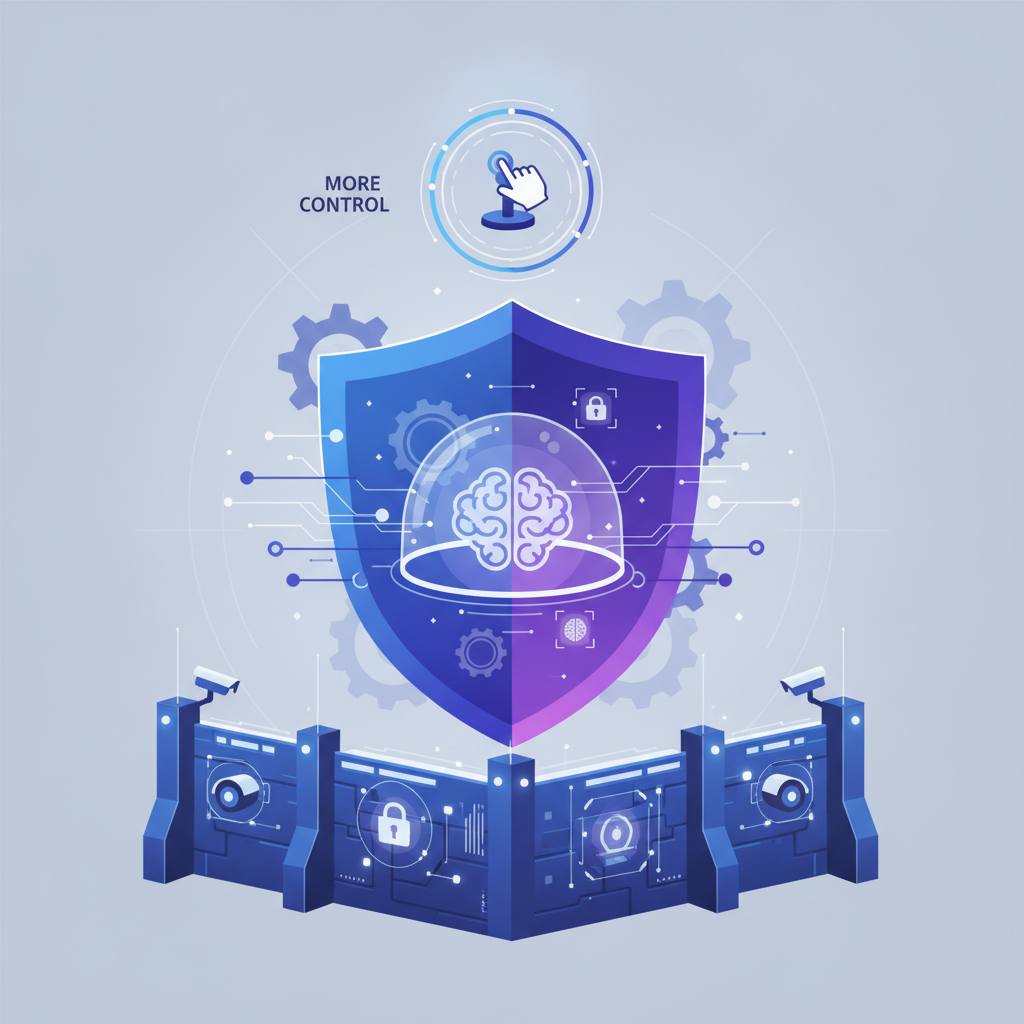
Technology is moving towards deeper foundational control and increasing precision. Anduril and Qualcomm's push for 'Made-in-USA' laptops isn't just about production; it signals a broader trend towards greater control over the entire supply chain. This is about resilience, security, and a deeper understanding of where our technology originates. This move will inspire other industries to reassess their dependencies and build more robust, localized foundations. We anticipate more partnerships focused on creating self-sufficient ecosystems for critical tech components.
Similarly, GitHub's launch of a new star history endpoint points to a shift towards structured, controlled data access. When a platform restricts direct access to raw information, it often provides standardized alternatives. This isn't about hiding data, but about presenting it in a predictable, API-driven way. Developers had to adapt, building new tools based on this structured access. This highlights a future where data access becomes more formalized, pushing developers to rely on official, robust interfaces rather than ad-hoc methods, ensuring predictability and stability in data interaction.
Even a seemingly simple task like word counting reveals surprising complexity. Developers often discover that what appears straightforward can be riddled with segmentation problems across different platforms. This illustrates a universal challenge: basic tasks frequently require sophisticated algorithms to handle the nuances of real-world data, especially with global users. This isn't a minor bug; it's a fundamental issue in data processing. The takeaway is a growing need for precision and rigorous attention to detail, even in the simplest software functions.
These seemingly disparate news items — localizing hardware manufacturing, formalizing data access, and perfecting basic text processing — all point to a unified direction: a future where technology emphasizes foundational strength and precision. We are moving beyond 'good enough' solutions towards systems that are not only robust in their supply chain but also meticulous in their data handling and predictable in their behavior. This means more investment in core engineering, standardization, and a clear understanding of complexities. We expect developers to increasingly focus on building resilient, accurate, and transparent systems, with an emphasis on clarity and control.