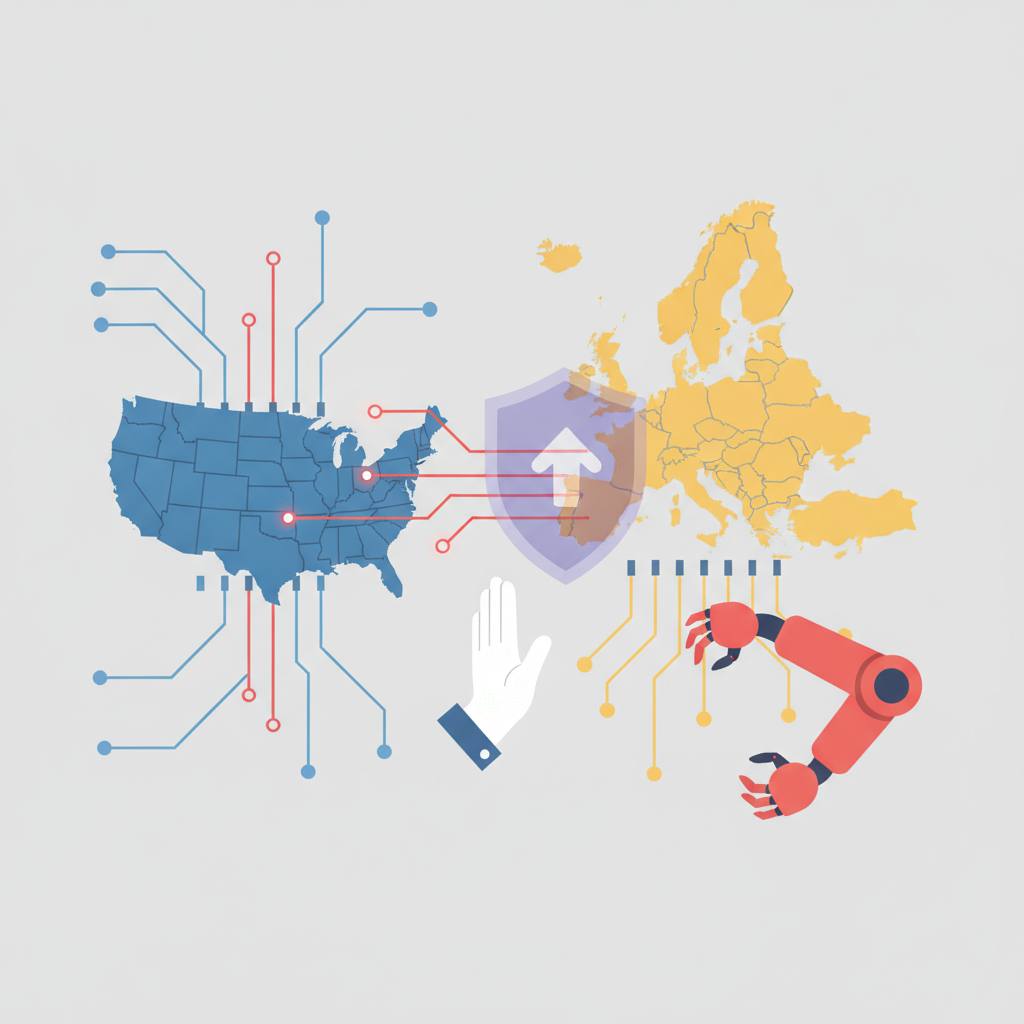
Europe is resisting Washington's new restrictions on semiconductor chip sales to China, potentially impacting global tech availability. The U.S. aims to block even older tools, but European firms like ASML have differing business interests.
Europe is pushing back on Washington’s increasing restrictions on selling semiconductor chips, and this could affect global tech availability. The 'chip war' between Washington and Europe is heating up. The U.S. has been putting pressure on chip manufacturing companies to stop selling certain advanced technology to China. However, it seems Europe has a different view on this matter. ASML CEO Christophe Fouquet, whose company is a Dutch giant in chip-making equipment, stated in May that China can currently purchase older-generation chip manufacturing tools. These tools, known as deep ultraviolet technology, are essentially machines that were first shipped about a decade ago. In other words, they are not the latest available technologies, but rather older ones that have been used for some time. The core issue is that a new U.S. law, called the «MATCH Act», aims to impose restrictions even on these older machines. This means Washington wants to prevent China from acquiring technologies, even those considered somewhat outdated in the semiconductor industry. What does this mean for you? These disagreements could lead to greater trade tensions. This might impact global chip supply chains, which in turn could affect the prices and availability of electronic devices we all use, from smartphones to cars. If regulations become stricter, companies might find it harder to get components, potentially leading to higher prices or product shortages. European companies, like ASML, have significant business interests in China and want to maintain their ability to sell, even if the technologies are older. U.S. pressure puts these companies in a difficult position, caught between complying with American laws and maintaining their business with partners like China. This situation is complex, and we'll see how things unfold, but it's clear that Europe does not intend to simply comply with U.S. pressure in this tech battle.