A developer has unveiled a new open-source system, 'agent-plan-review-loop', designed to make AI code plan reviews much more accurate and rigorous. Unlike typically optimistic large language models, this tool deliberately challenges plans to uncover hidden flaws.
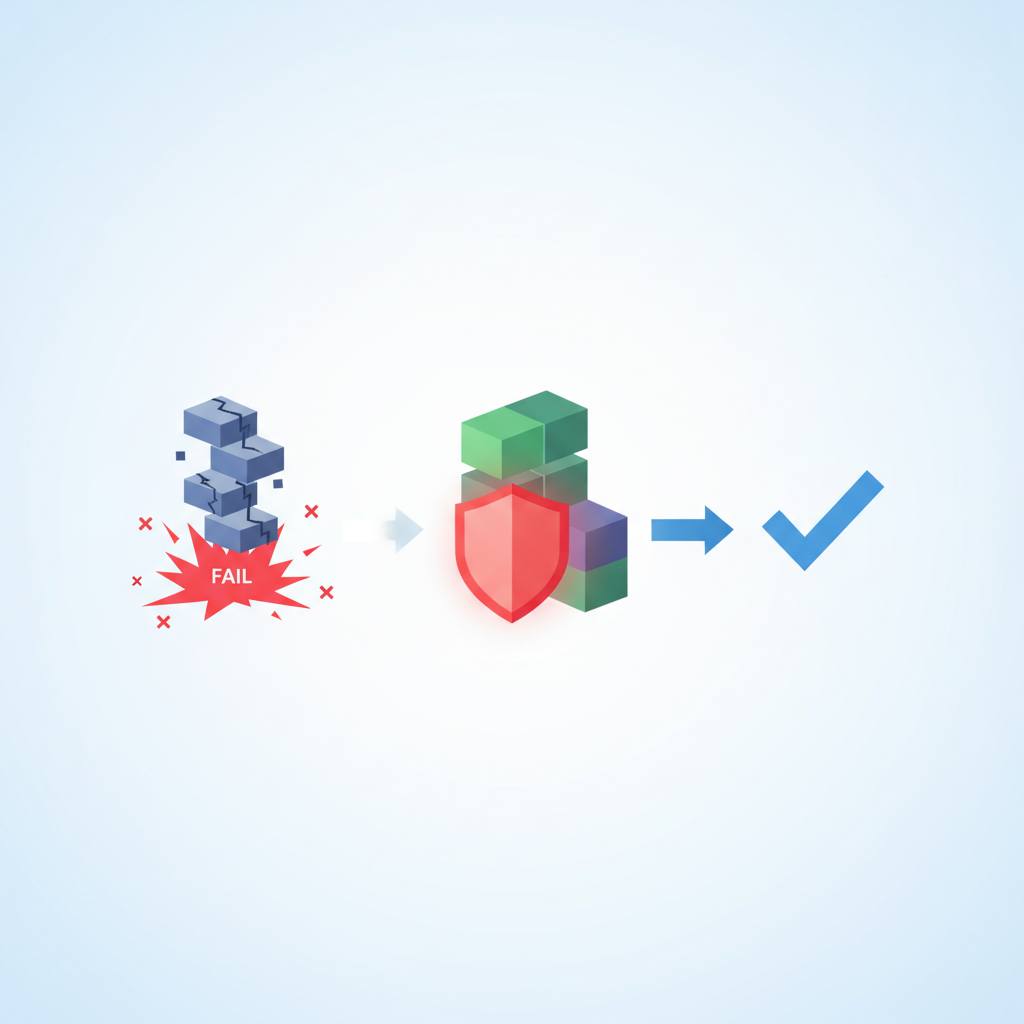
If you're in software development, you might have noticed that large language models (LLMs) can be surprisingly optimistic when reviewing code plans. This often means they'll approve plans that contain obvious flaws like non-existent file paths, incorrect function signatures, or even broken assumptions about your actual codebase. The problem is simple: these models reason from their training data and conversation context, not from a true understanding of your specific code repository.
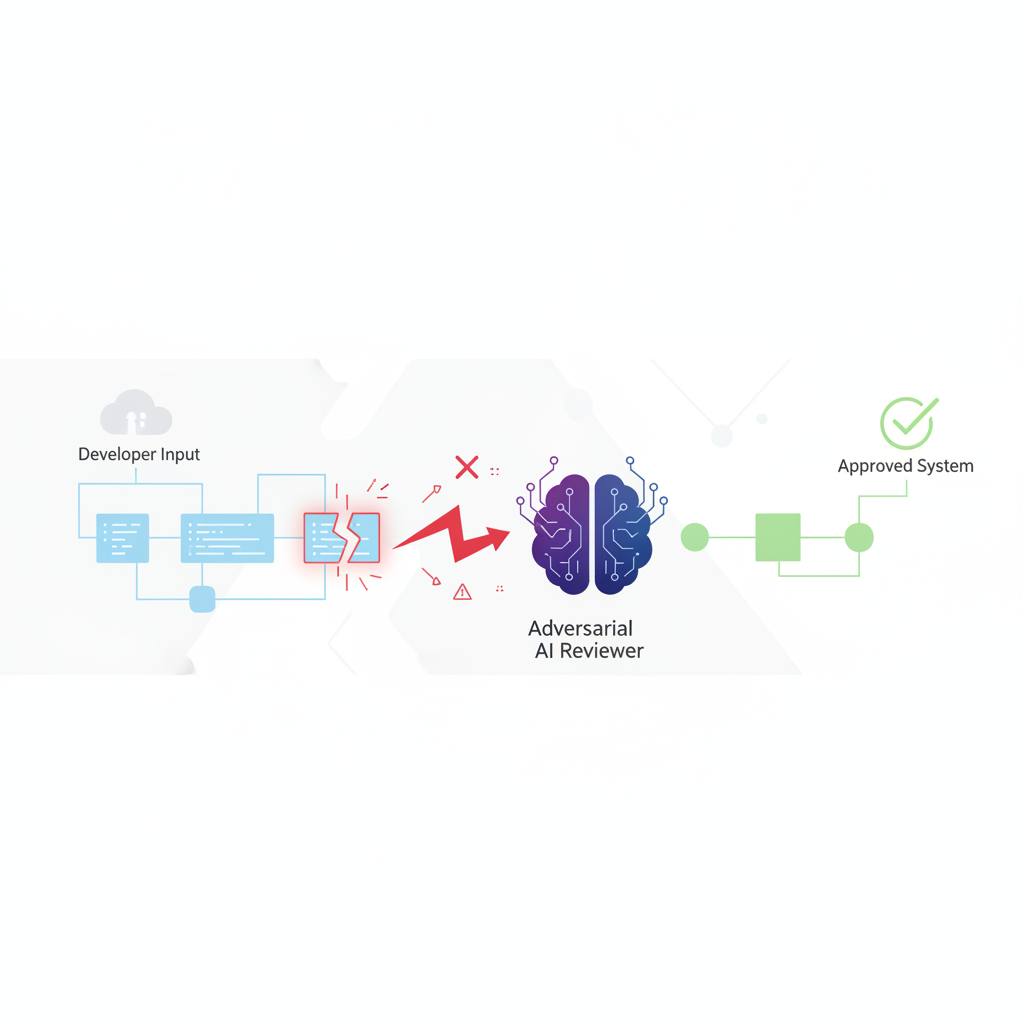
But there's good news: a developer has built a new open-source system called 'agent-plan-review-loop' to tackle this very issue. This system introduces an 'adversarial' code plan reviewer, whose primary job is to prove your plan is wrong. Imagine having an expert colleague who insists on finding every possible flaw in a plan – that's what this tool does.
How does it work? Instead of the reviewer and author sharing the same reasoning chain, 'agent-plan-review-loop' intentionally breaks that connection. Every artifact, from the plan to the review, questions, decisions, and diffs, is stored as a markdown file within the repository. The reviewer runs as a completely fresh process, only seeing the implementation plan, the actual repository, and its specific instructions. The reviewer never gets access to the author's initial reasoning.
The reviewer is given clear, strict instructions: 'You are a SKEPTICAL senior REVIEWER. Find why this plan will FAIL. Do not praise it. Default to CHANGES_REQUESTED; approve only if genuinely sound.' This approach forces the reviewer to evaluate the plan purely on its own merits against the real code, catching a surprising number of mistakes that would otherwise slip through. This tool doesn't just change how code plans are reviewed; it makes the process much more reliable, saving you time and reducing future errors. For you and your team, this means better code and fewer headaches down the line.
But there's good news: a developer has built a new open-source system called 'agent-plan-review-loop' to tackle this very issue. This system introduces an 'adversarial' code plan reviewer, whose primary job is to prove your plan is wrong. Imagine having an expert colleague who insists on finding every possible flaw in a plan – that's what this tool does.
How does it work? Instead of the reviewer and author sharing the same reasoning chain, 'agent-plan-review-loop' intentionally breaks that connection. Every artifact, from the plan to the review, questions, decisions, and diffs, is stored as a markdown file within the repository. The reviewer runs as a completely fresh process, only seeing the implementation plan, the actual repository, and its specific instructions. The reviewer never gets access to the author's initial reasoning.
The reviewer is given clear, strict instructions: 'You are a SKEPTICAL senior REVIEWER. Find why this plan will FAIL. Do not praise it. Default to CHANGES_REQUESTED; approve only if genuinely sound.' This approach forces the reviewer to evaluate the plan purely on its own merits against the real code, catching a surprising number of mistakes that would otherwise slip through. This tool doesn't just change how code plans are reviewed; it makes the process much more reliable, saving you time and reducing future errors. For you and your team, this means better code and fewer headaches down the line.