If you're building web apps and need to use external APIs, keeping your secret keys safe is crucial. A 'Backend for Frontend' (BFF) architecture, like using Next.js API Routes, offers a smart way to shield your API keys from prying eyes in the browser.
Ever wondered how developers use powerful external APIs without accidentally exposing their secret keys? It's a common challenge in web development, and a clever solution involves something called a 'Backend for Frontend' (BFF). This approach is especially useful when you're building applications with frameworks like Next.js.
The core idea is simple: never put your sensitive API keys directly into the code that runs in a user's web browser. Why? Because anything in the browser can be easily inspected and copied, putting your keys at risk. Imagine you're building an app that uses a speech-to-text service like AmiVoice. This service requires a special key to work. If that key is in your browser's JavaScript, anyone could find it and potentially misuse your account.
This is where the BFF steps in. Instead of the browser talking directly to the external API, it talks to a special part of your own server, which acts as a relay. In a Next.js application, you can set up an 'API Route' to do this job. When your browser needs to send audio to AmiVoice for recognition, it first sends that audio to your Next.js API Route. This route then securely adds your AmiVoice API key (which is stored safely on your server, not in the browser) and forwards the request to AmiVoice. AmiVoice processes it, sends the recognized text back to your Next.js route, and then your route sends it back to the browser.
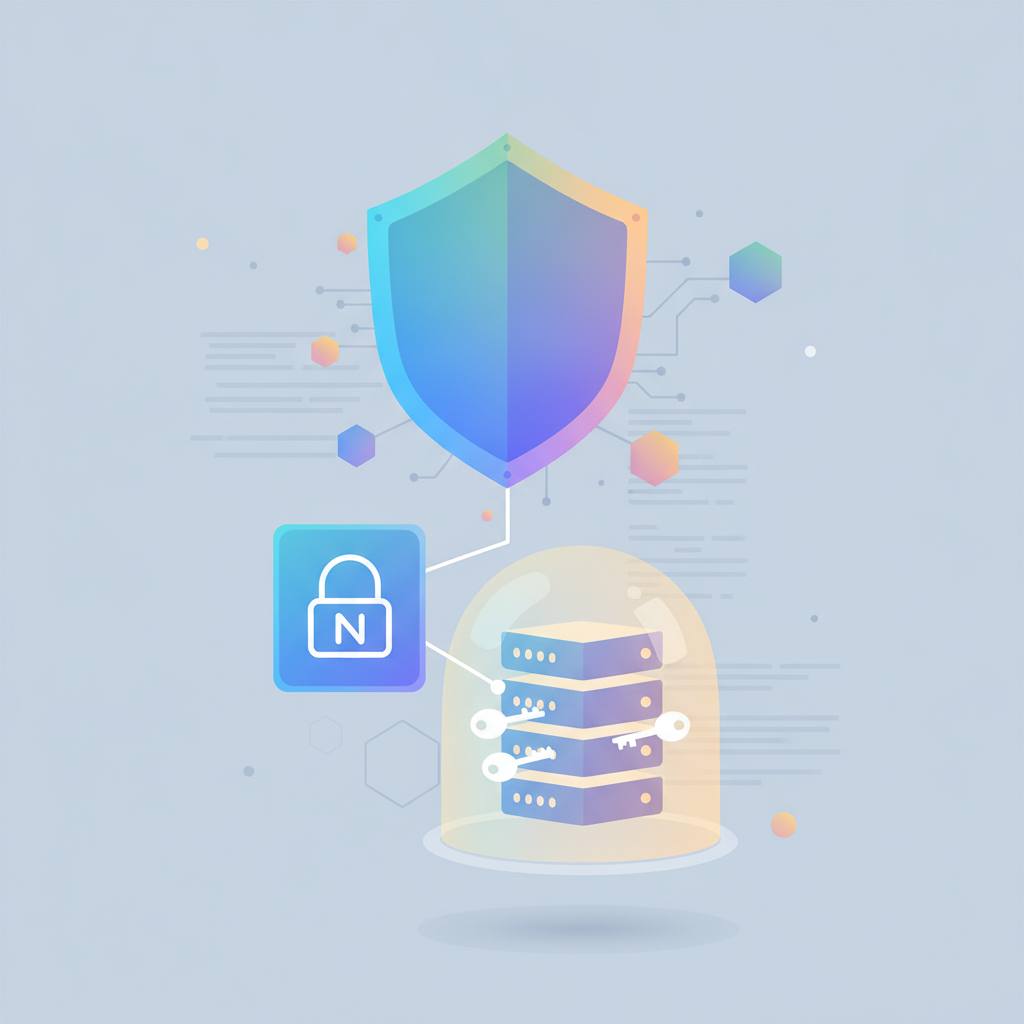
This system ensures that your valuable API key never leaves your server environment. It's read from secure environment variables, not bundled with the code sent to the user's browser. It's like having a trusted messenger who carries your secret message to a third party, without ever revealing the secret to the person who handed them the message. This method isn't just for AmiVoice; it's a best practice for any external API integration where key security is paramount. It lets you build feature-rich web applications with peace of mind, knowing your secrets are safe.
The core idea is simple: never put your sensitive API keys directly into the code that runs in a user's web browser. Why? Because anything in the browser can be easily inspected and copied, putting your keys at risk. Imagine you're building an app that uses a speech-to-text service like AmiVoice. This service requires a special key to work. If that key is in your browser's JavaScript, anyone could find it and potentially misuse your account.
This is where the BFF steps in. Instead of the browser talking directly to the external API, it talks to a special part of your own server, which acts as a relay. In a Next.js application, you can set up an 'API Route' to do this job. When your browser needs to send audio to AmiVoice for recognition, it first sends that audio to your Next.js API Route. This route then securely adds your AmiVoice API key (which is stored safely on your server, not in the browser) and forwards the request to AmiVoice. AmiVoice processes it, sends the recognized text back to your Next.js route, and then your route sends it back to the browser.
This system ensures that your valuable API key never leaves your server environment. It's read from secure environment variables, not bundled with the code sent to the user's browser. It's like having a trusted messenger who carries your secret message to a third party, without ever revealing the secret to the person who handed them the message. This method isn't just for AmiVoice; it's a best practice for any external API integration where key security is paramount. It lets you build feature-rich web applications with peace of mind, knowing your secrets are safe.