WondTech clarifies that scaling enterprise AI automation goes beyond just providing tools; it demands a robust operating model. Impressive numbers about employee training or workflow counts aren't enough without solid evidence of security, governance, and operational value.
Scaling AI automation in your enterprise isn't as simple as it might sound. Just giving more employees access to workflow platforms like n8n won't be enough to achieve true scalability.
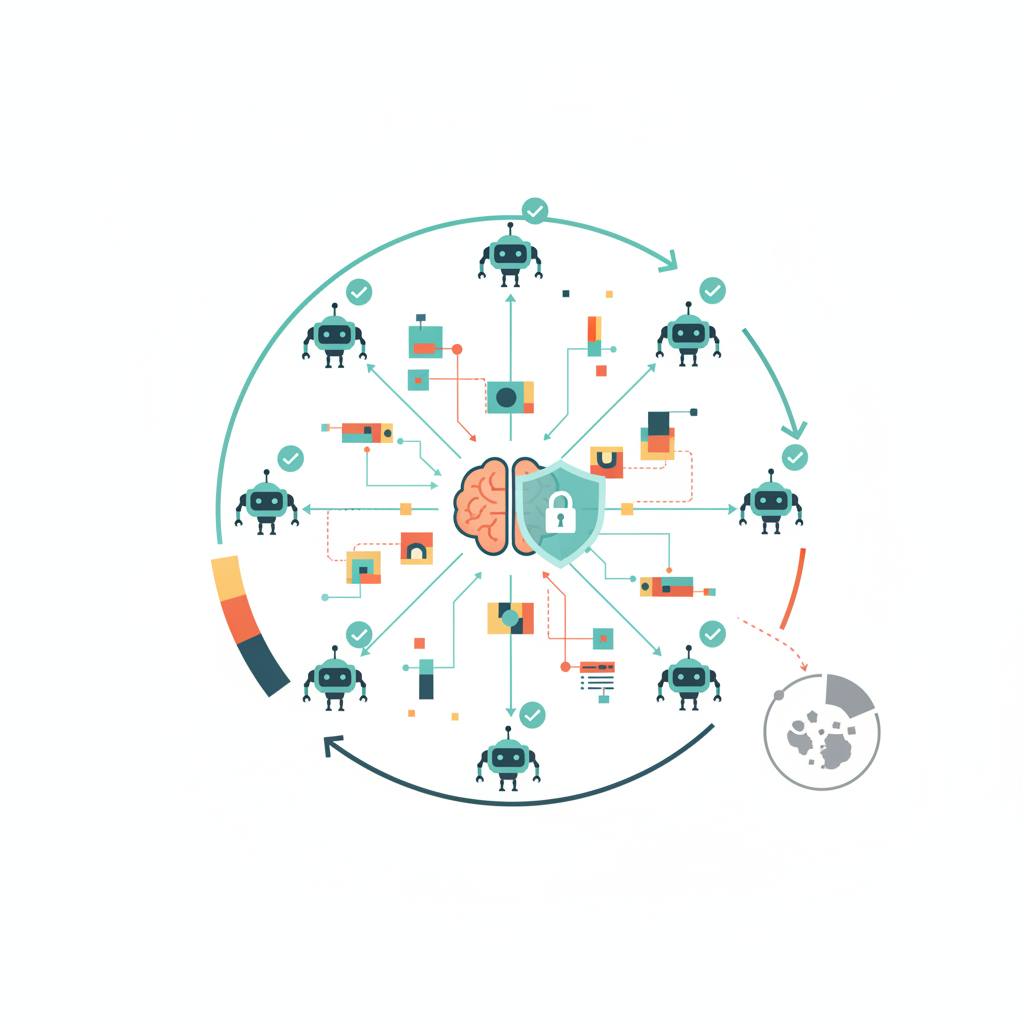
So, what does this mean for you? It means the real focus needs to be on building a comprehensive, repeatable operating model that covers training, review, security, deployment, and measurement. Effective AI automation in an enterprise setting requires a clear structure to ensure efficiency and reliability.
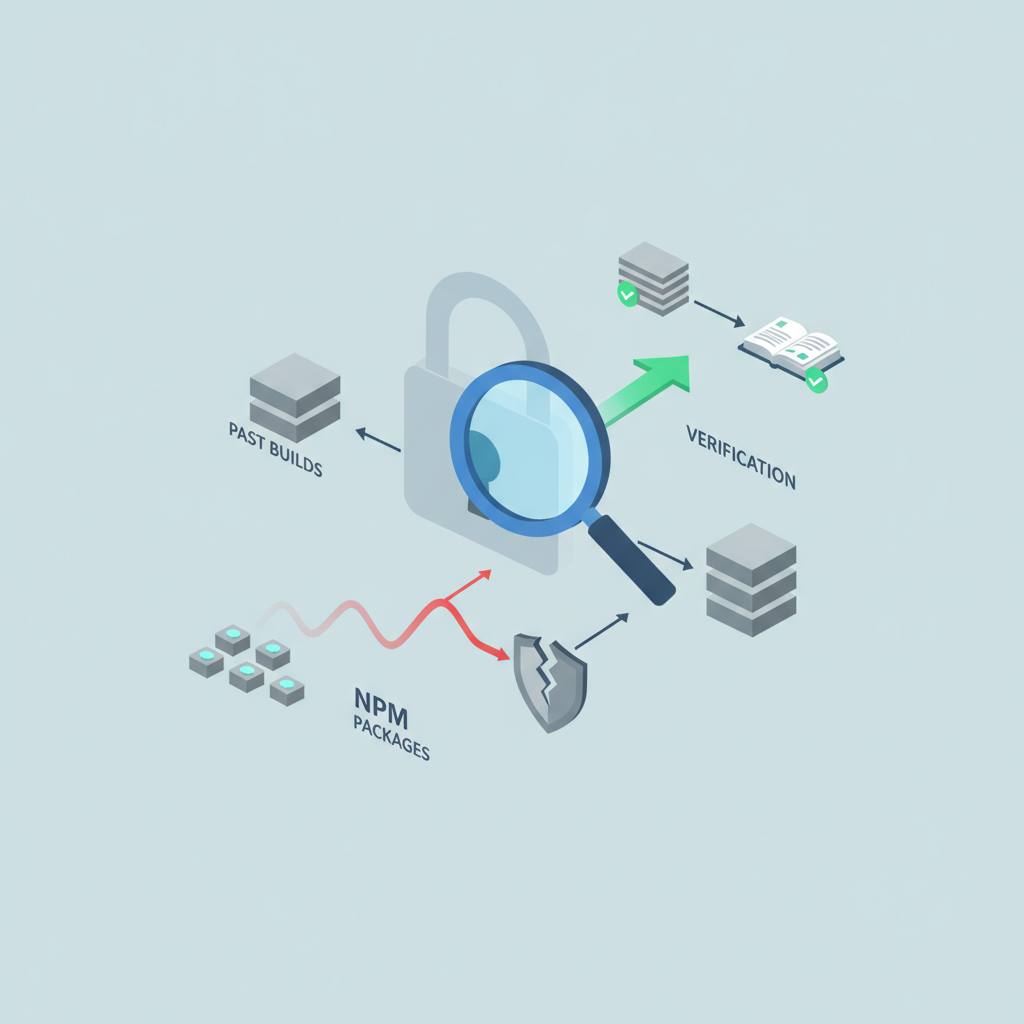
We've heard claims from a specific n8n case study, reporting 100 employees trained and 65 workflows put into production within a month. However, it's crucial to understand that these specific figures and the associated podcast episode haven't been confirmed through available official n8n materials or credible third-party coverage. So, the useful question for your organization isn't whether a workflow total sounds impressive, but what evidence demonstrates that automation has become safe, governed, and operationally valuable.
While n8n's official website positions the platform in the broader automation market, and recent official materials discuss enterprise-scale AI governance and scalable automation, this evidence doesn't establish the reported workforce-training or production-workflow metrics often cited.
Therefore, any organization assessing a similar internal program should treat those numbers as unverified context rather than a benchmark for adoption. A credible automation program has to show how experiments move into production without transferring unmanaged risk to business teams. Employee enablement can certainly broaden the pool of people who identify automation opportunities, but training alone doesn't establish that workflows are reliable, secure, or maintainable.
For AI-powered automation in particular, production readiness should be evaluated through the controls surrounding the workflow, not just the presence of an AI component. A useful assessment should examine whether the organization can distinguish a prototype from a process that is suitable for repeated business use. Key evidence to look for includes: defined ownership, where each production workflow should have a business owner and a technical or operational owner responsible for its ongoing operation, alongside clear review and approval practices.
So, what does this mean for you? It means the real focus needs to be on building a comprehensive, repeatable operating model that covers training, review, security, deployment, and measurement. Effective AI automation in an enterprise setting requires a clear structure to ensure efficiency and reliability.
We've heard claims from a specific n8n case study, reporting 100 employees trained and 65 workflows put into production within a month. However, it's crucial to understand that these specific figures and the associated podcast episode haven't been confirmed through available official n8n materials or credible third-party coverage. So, the useful question for your organization isn't whether a workflow total sounds impressive, but what evidence demonstrates that automation has become safe, governed, and operationally valuable.
While n8n's official website positions the platform in the broader automation market, and recent official materials discuss enterprise-scale AI governance and scalable automation, this evidence doesn't establish the reported workforce-training or production-workflow metrics often cited.
Therefore, any organization assessing a similar internal program should treat those numbers as unverified context rather than a benchmark for adoption. A credible automation program has to show how experiments move into production without transferring unmanaged risk to business teams. Employee enablement can certainly broaden the pool of people who identify automation opportunities, but training alone doesn't establish that workflows are reliable, secure, or maintainable.
For AI-powered automation in particular, production readiness should be evaluated through the controls surrounding the workflow, not just the presence of an AI component. A useful assessment should examine whether the organization can distinguish a prototype from a process that is suitable for repeated business use. Key evidence to look for includes: defined ownership, where each production workflow should have a business owner and a technical or operational owner responsible for its ongoing operation, alongside clear review and approval practices.