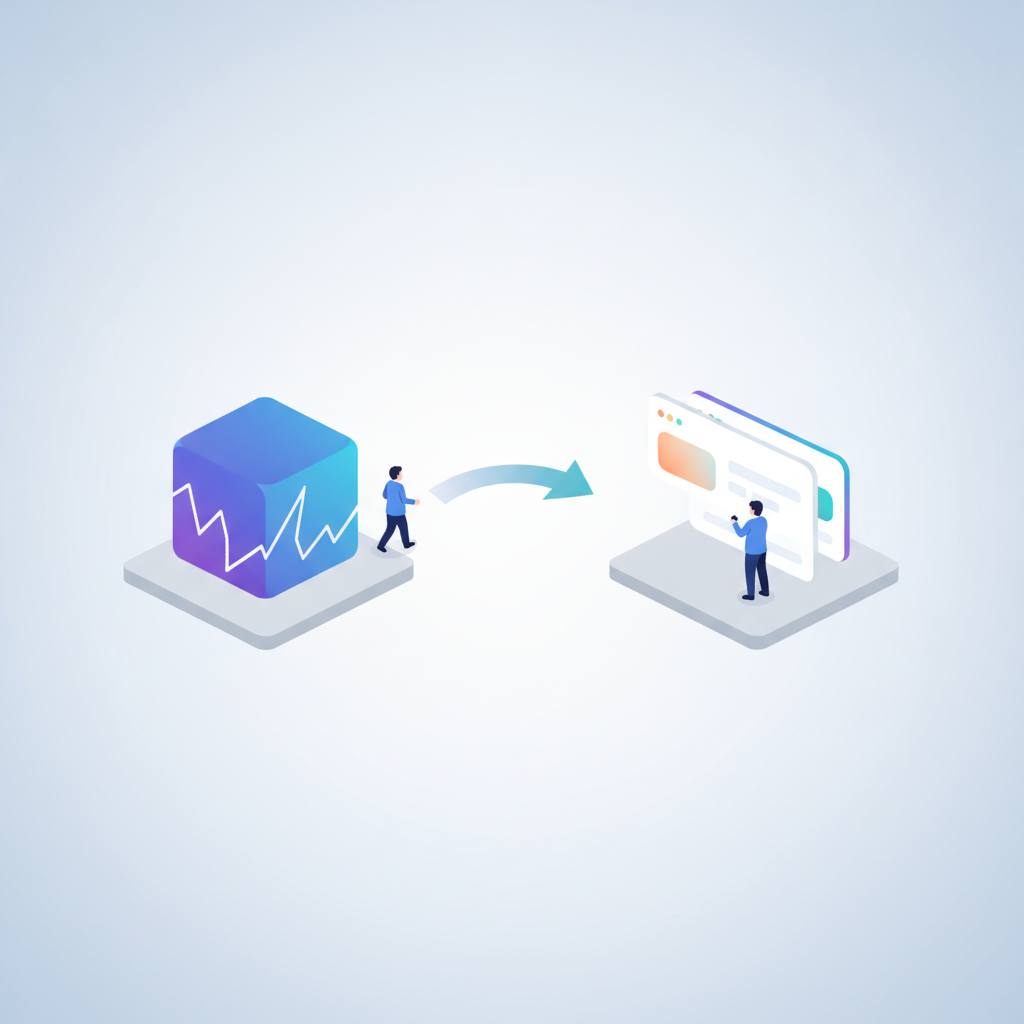
A Go backend team at a tech company recently found Swagger UI led to broken documentation, a poor user experience, and persistent configuration issues. They've since switched to Scalar for better API documentation.
Hey Go developers, a recent revelation from a tech team highlights a common pain point: many are ditching Swagger UI for a more modern solution like Scalar for API documentation. What this means for you is that if you're struggling with your API documentation, there are better, less frustrating options out there.
This team, like many others, followed the standard Go ritual for years: writing detailed comments above handlers, running `swag init`, and mounting Swagger UI. It worked fine when their backend was small, but as things grew, it became a nightmare. One Friday, a frontend engineer discovered their API playground on staging was trying to send requests to `localhost:8080` – a classic 'works on my machine' scenario that exposed deep flaws in their documentation setup.
They faced three major headaches daily with Swagger UI. First, keeping documentation accurate was a constant battle. If you refactored a Go struct but forgot to update the 'magic comments' above your HTTP handler, your docs would lie. For instance, the documentation might claim an endpoint returns a simple string while your actual code returns a complex JSON object. This led to hours of debugging for the frontend team, completely unaware of the doc-code mismatch.
Second, the user experience was incredibly dated. Let's be honest, Swagger UI felt like it was designed when Internet Explorer 8 was still a thing. Trying to test endpoints that needed JWT authentication, navigating deep JSON error schemas, or searching through dozens of endpoints was a painful process, much like dealing with old government websites.
Finally, the generated API spec often included `host: "localhost:8080"`. This meant that when the QA team tried to test API calls on the staging environment, every click on 'Try it out' silently failed, sending requests to a non-existent local server. These issues wasted countless hours and led to frustrating debates about why things weren't working. Switching to Scalar helped them overcome these critical issues, pointing to a clearer path for better API documentation.