Today, we're exploring a smart way in NestJS to simplify handling complex data queries involving search, filters, and pagination, making your applications more robust and easier to maintain.
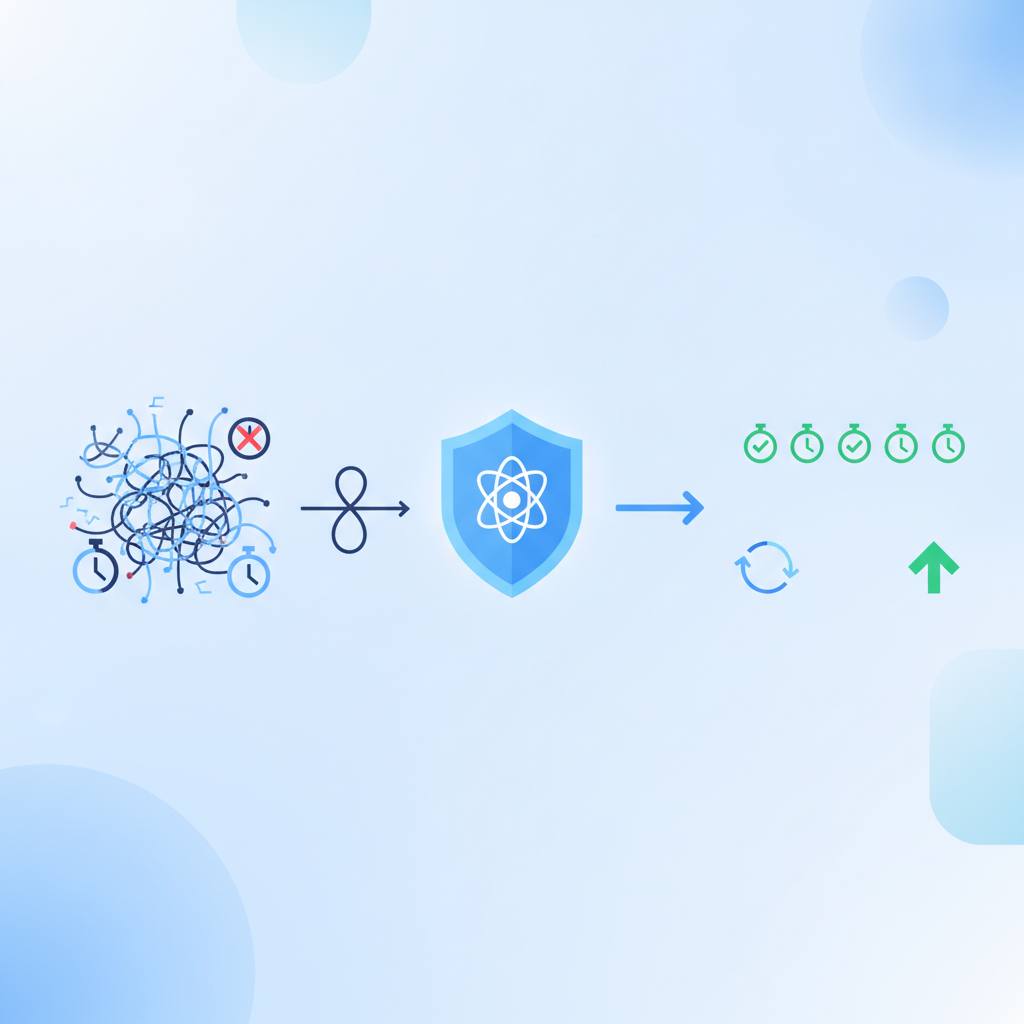
Have you ever found yourself tasked with building a data list screen that includes search options, multiple filters, and pagination in your NestJS application? These tasks often turn into a programming challenge, as the code can become complex and difficult to manage over time. But don't worry, we have an intelligent solution that can fundamentally change how you approach this problem, known as the 'Criteria Pattern'.
What does this mean for you? Simply put, instead of writing complex code for every new filter or search option, you can now build a single endpoint in your application capable of handling all of it in an elegant and organized manner. This translates to less development time, cleaner code, and a more stable application.
Let's imagine you're working on a library catalog system where you need to display a list of books. Each book has a title, author, publication date, number of copies, and availability status. Users want to search for books by title, filter available books, or even view books with a certain number of copies, all while being able to sort and paginate the results. Typically, you might consider creating separate functions for each option, but this pattern offers a better approach.
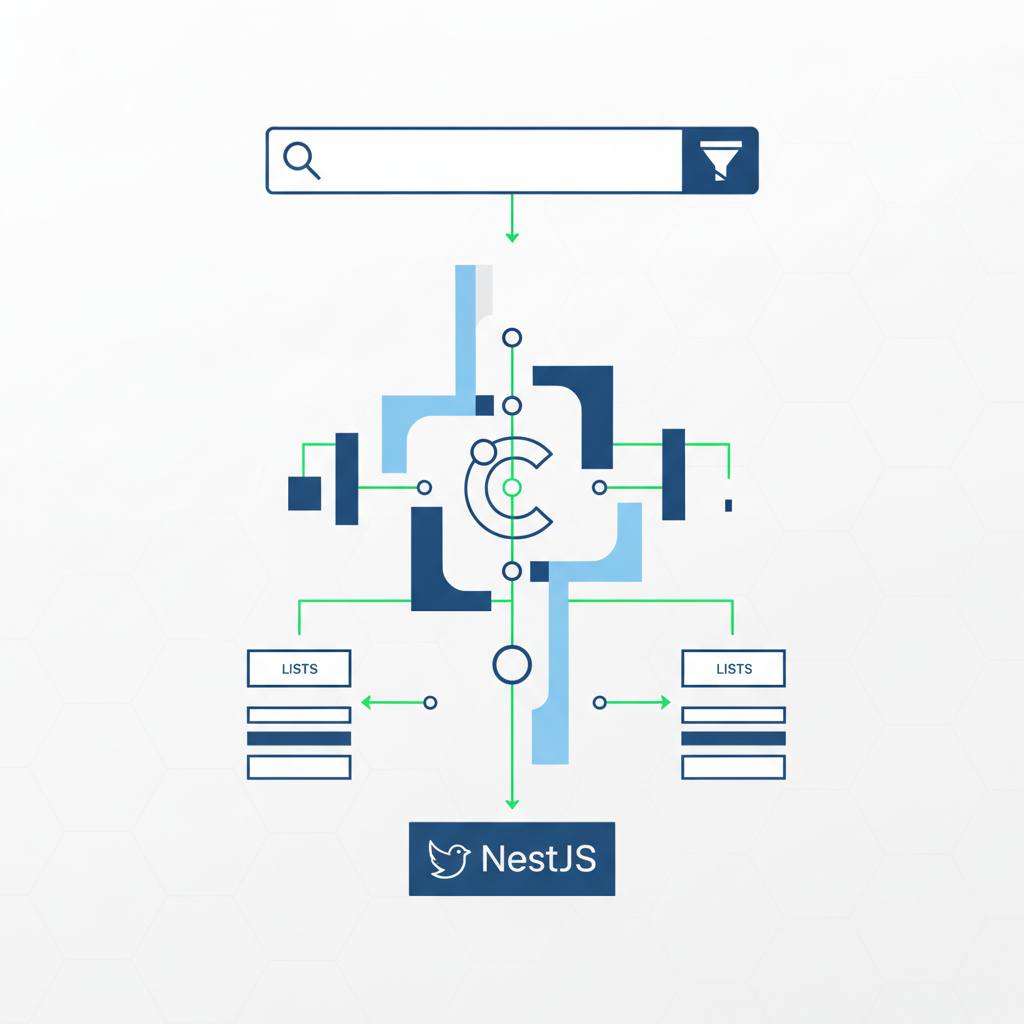
Using the Criteria Pattern, you can create a single controller method that accepts all these parameters as query parameters from the URL. This method intelligently builds a dynamic filter object. For example, if a user is searching for a specific title, that condition is added to the filter. If they're looking for available books, the availability condition is added. And so on.
The significant advantage here is that you use the exact same filter to calculate the total number of pages (for pagination purposes) and to retrieve the actual items. This ensures that your result list and the total count always match, preventing common pagination errors. Furthermore, these two operations (fetching items and counting) can be executed in parallel, which significantly boosts application performance, making it faster.
This approach not only makes your code easier to read and maintain but also incredibly flexible. When a client requests a new filter in the future, you don't need to rewrite the entire function; you simply add a small condition to your filter-building logic. In this way, a single endpoint can withstand years of updates and changing requirements without issues, saving you and other developers a lot of time and effort.
What does this mean for you? Simply put, instead of writing complex code for every new filter or search option, you can now build a single endpoint in your application capable of handling all of it in an elegant and organized manner. This translates to less development time, cleaner code, and a more stable application.
Let's imagine you're working on a library catalog system where you need to display a list of books. Each book has a title, author, publication date, number of copies, and availability status. Users want to search for books by title, filter available books, or even view books with a certain number of copies, all while being able to sort and paginate the results. Typically, you might consider creating separate functions for each option, but this pattern offers a better approach.
Using the Criteria Pattern, you can create a single controller method that accepts all these parameters as query parameters from the URL. This method intelligently builds a dynamic filter object. For example, if a user is searching for a specific title, that condition is added to the filter. If they're looking for available books, the availability condition is added. And so on.
The significant advantage here is that you use the exact same filter to calculate the total number of pages (for pagination purposes) and to retrieve the actual items. This ensures that your result list and the total count always match, preventing common pagination errors. Furthermore, these two operations (fetching items and counting) can be executed in parallel, which significantly boosts application performance, making it faster.
This approach not only makes your code easier to read and maintain but also incredibly flexible. When a client requests a new filter in the future, you don't need to rewrite the entire function; you simply add a small condition to your filter-building logic. In this way, a single endpoint can withstand years of updates and changing requirements without issues, saving you and other developers a lot of time and effort.