Expect more stable device designs, making upgrades simpler and accessories last longer. However, new products face a critical challenge: gaining recognition from powerful AI systems, which are becoming key information gatekeepers, while core tech skills remain indispensable.
The tech world often feels like a blur of constant change, but a closer look at recent developments reveals some interesting patterns for what's next. On the hardware front, we're seeing signs that major device designs might be settling down. The news about upcoming iPhone models potentially fitting cases made for their predecessors suggests a future where physical dimensions don't shift dramatically with every new release. This is good news for consumers, meaning fewer wasted accessories and smoother upgrades. Instead of chasing radical external redesigns, manufacturers might increasingly focus on internal performance boosts and software enhancements, allowing users to keep their devices, and their accessories, for longer periods. This approach could lead to a more sustainable tech lifecycle for flagship products.
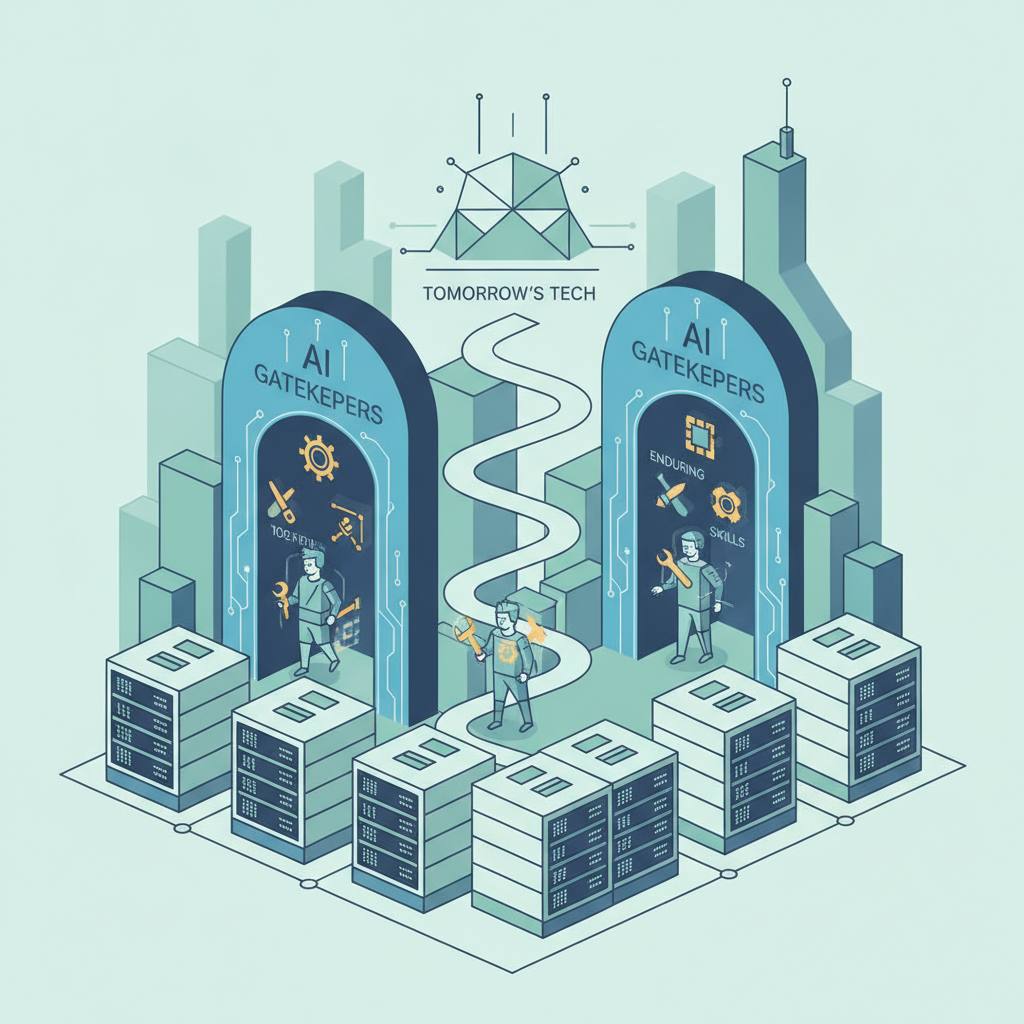
However, the path to visibility for new software and services is becoming more complex. A recent experience shared by a solo SaaS founder highlights a critical challenge: even a well-built product can struggle to be discovered if major AI systems, like large language models, haven't 'heard' of it. These AIs are rapidly becoming central hubs for information and recommendations. This means that alongside traditional marketing and search engine optimization, developers and entrepreneurs now need to consider 'AI discoverability.' How does one ensure their product registers with these powerful digital gatekeepers? This is a new frontier for distribution, requiring innovative strategies beyond just building a great tool.
Amidst these shifts, the enduring value of foundational skills in areas like web development remains clear. Despite the rise of AI tools that can generate code or answer complex questions, the need for human understanding of HTML, CSS, and basic programming principles hasn't diminished. These core competencies act as the bedrock upon which all advanced applications and AI-driven solutions are built. They empower creators to understand, troubleshoot, and truly innovate, rather than just relying on automated outputs. The future of tech will demand a blend of steady hardware evolution, strategic engagement with AI as a discovery mechanism, and a strong commitment to mastering the fundamental skills that underpin it all.
However, the path to visibility for new software and services is becoming more complex. A recent experience shared by a solo SaaS founder highlights a critical challenge: even a well-built product can struggle to be discovered if major AI systems, like large language models, haven't 'heard' of it. These AIs are rapidly becoming central hubs for information and recommendations. This means that alongside traditional marketing and search engine optimization, developers and entrepreneurs now need to consider 'AI discoverability.' How does one ensure their product registers with these powerful digital gatekeepers? This is a new frontier for distribution, requiring innovative strategies beyond just building a great tool.
Amidst these shifts, the enduring value of foundational skills in areas like web development remains clear. Despite the rise of AI tools that can generate code or answer complex questions, the need for human understanding of HTML, CSS, and basic programming principles hasn't diminished. These core competencies act as the bedrock upon which all advanced applications and AI-driven solutions are built. They empower creators to understand, troubleshoot, and truly innovate, rather than just relying on automated outputs. The future of tech will demand a blend of steady hardware evolution, strategic engagement with AI as a discovery mechanism, and a strong commitment to mastering the fundamental skills that underpin it all.