As AI becomes deeply integrated into developer workflows, programming environments will evolve towards smarter, more efficient tools, demanding enhanced local resource management.
Today, we observe rapid technological advancements directly impacting how software is built. On one hand, the legacy of pioneers like Rob Pike, who dedicated his life to simplifying systems and programming languages like Go, and contributed to UTF-8, reminds us of the critical importance of efficiency and robustness in foundational elements. On the other, the power of Artificial Intelligence is growing and permeating every aspect, bringing new challenges and immense opportunities.
News reports highlight fierce competition among giants like Microsoft and leading AI companies, all racing to offer their own models and tools. This means developers will soon have wider and more powerful options to directly integrate AI into their daily work. It won't just be about consuming AI APIs; we will see complex AI tools running locally within development environments.
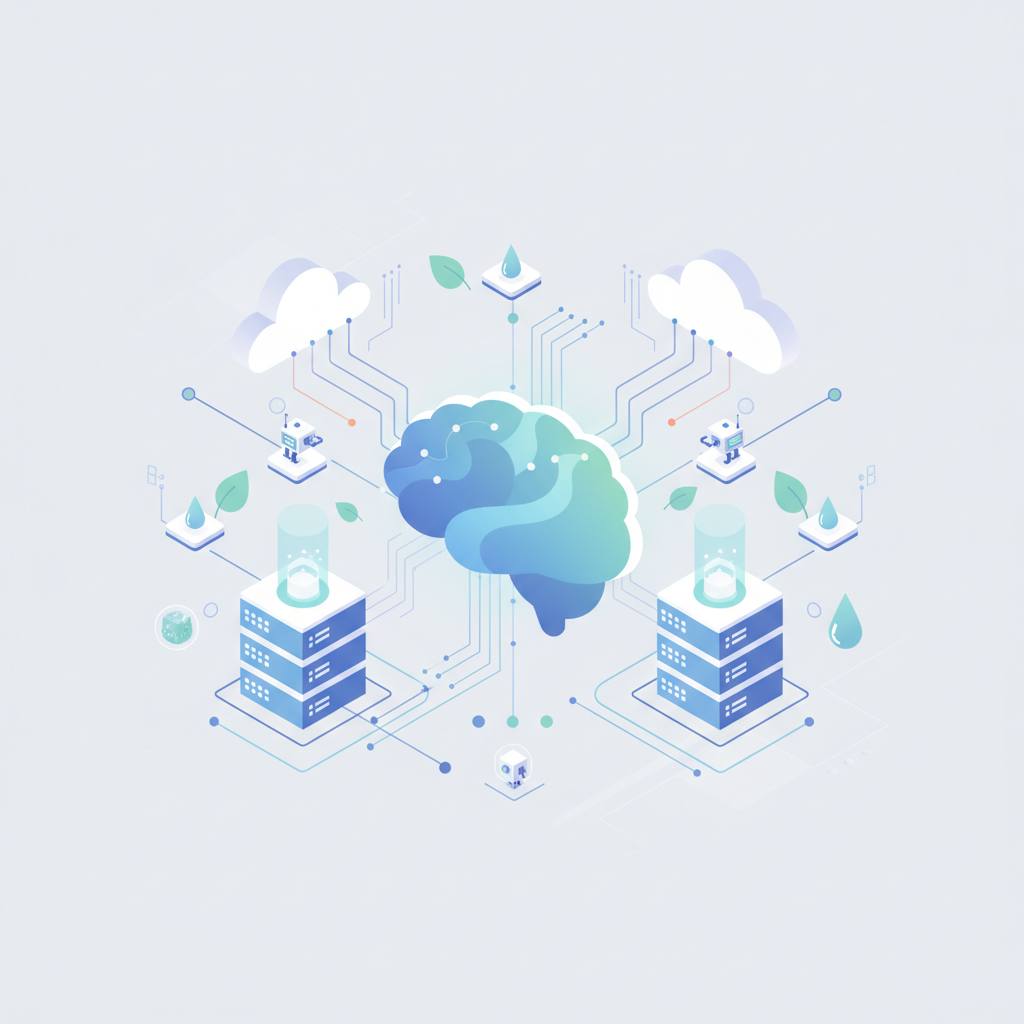
This trend towards running massive models, such as image models requiring several gigabytes of memory, means developer machines will evolve into even more powerful workstations. But with this power comes a critical need for intelligent resource management. The idea of «closing your editor before heavy jobs» will fade, replaced by smart development environments that monitor and manage memory and processor consumption autonomously, ensuring intensive tasks can run without freezing the machine.
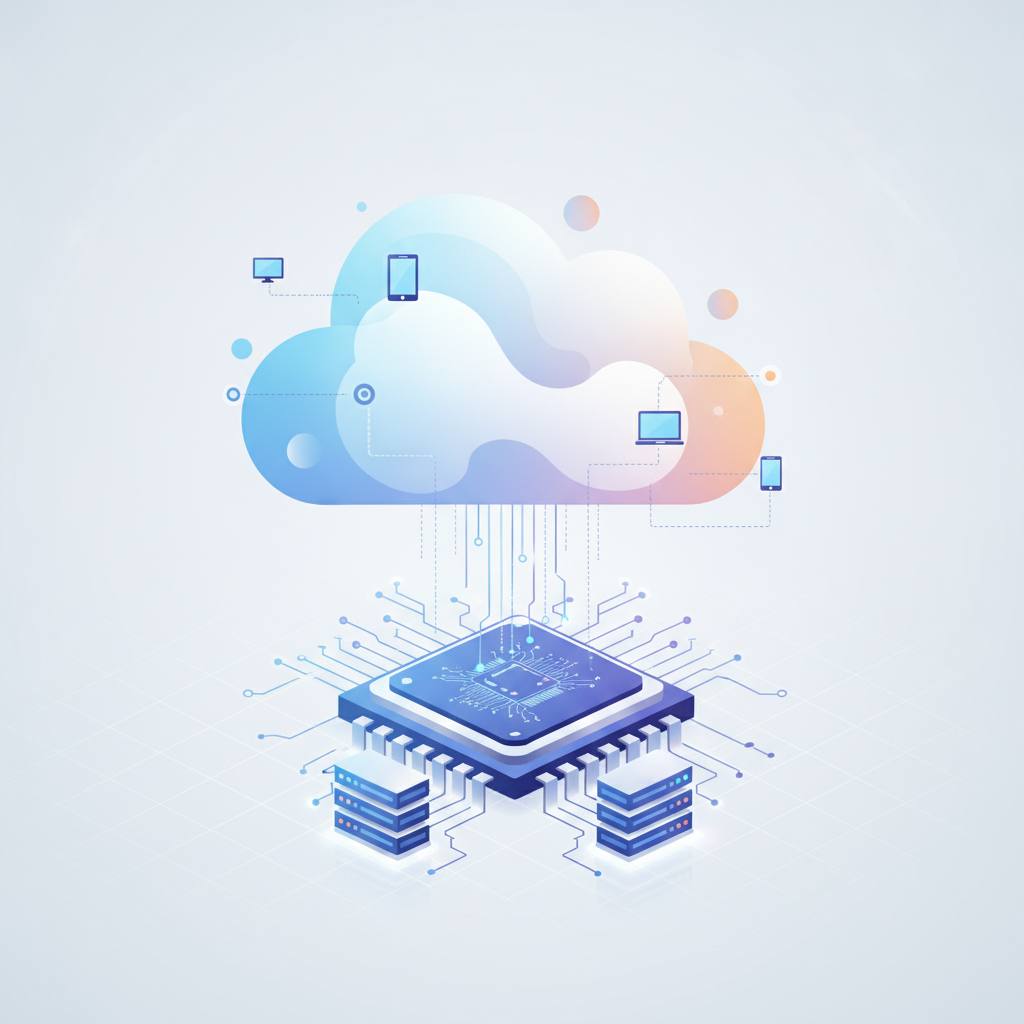
We anticipate that programming languages and frameworks focusing on performance and efficiency will continue to thrive. Pike's principle of «hating complexity» will become more relevant than ever, as foundational tools and systems must be lightweight and efficient to keep up with increasing AI demands. Development environments will evolve to become more integrated, with built-in capabilities to run and debug complex AI models, ensuring stability and performance. We will see a blend of local processing power and seamless cloud access, all driven by continuous competition to push the boundaries of what's possible.
News reports highlight fierce competition among giants like Microsoft and leading AI companies, all racing to offer their own models and tools. This means developers will soon have wider and more powerful options to directly integrate AI into their daily work. It won't just be about consuming AI APIs; we will see complex AI tools running locally within development environments.
This trend towards running massive models, such as image models requiring several gigabytes of memory, means developer machines will evolve into even more powerful workstations. But with this power comes a critical need for intelligent resource management. The idea of «closing your editor before heavy jobs» will fade, replaced by smart development environments that monitor and manage memory and processor consumption autonomously, ensuring intensive tasks can run without freezing the machine.
We anticipate that programming languages and frameworks focusing on performance and efficiency will continue to thrive. Pike's principle of «hating complexity» will become more relevant than ever, as foundational tools and systems must be lightweight and efficient to keep up with increasing AI demands. Development environments will evolve to become more integrated, with built-in capabilities to run and debug complex AI models, ensuring stability and performance. We will see a blend of local processing power and seamless cloud access, all driven by continuous competition to push the boundaries of what's possible.