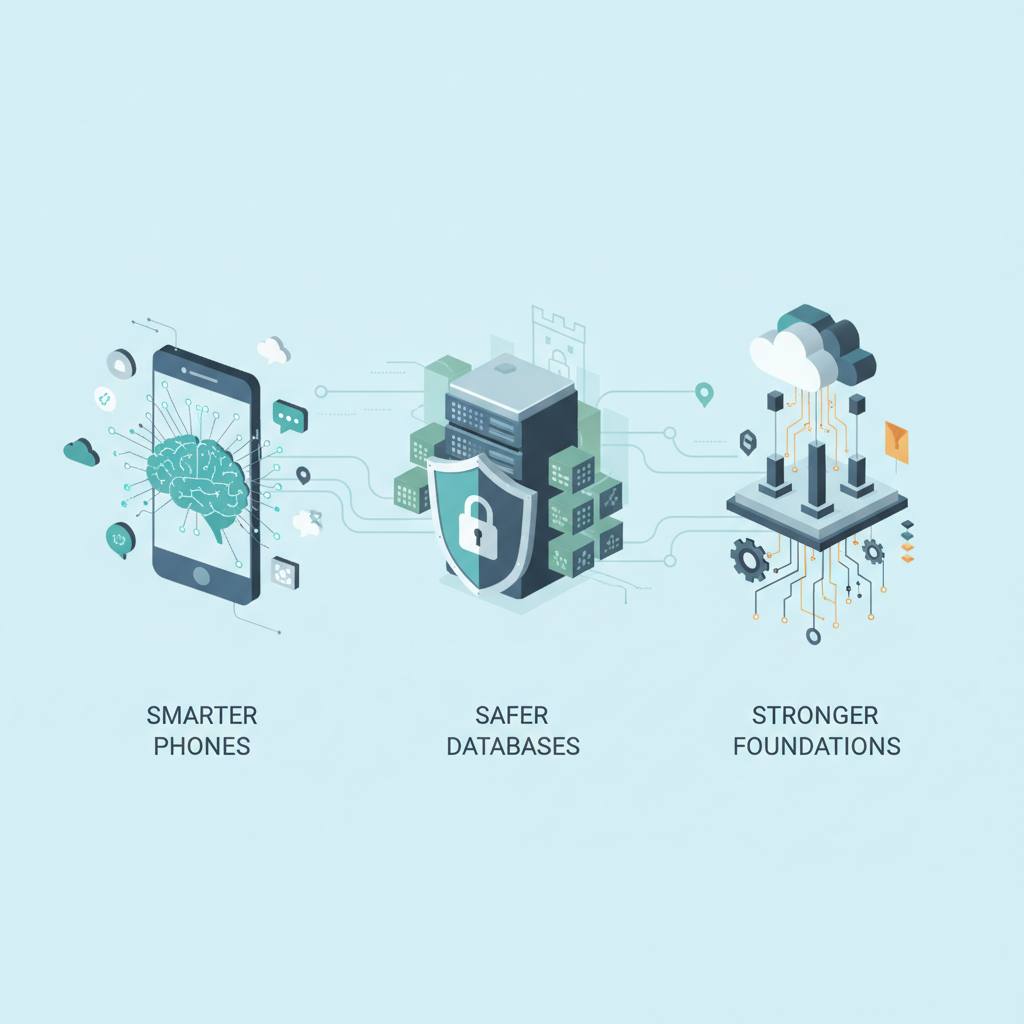
We're seeing mobile technology move towards professional-grade creation with AI assistance, while critical development practices demand better simulation tools for safer changes, and foundational data languages like SQL continue to solidify their importance across all tech fields.
The tech world is always evolving, but some trends show us where things are truly heading next. Looking at today’s news, three key areas stand out: how we create with our phones, how we manage critical software changes, and what skills remain fundamental.
First, get ready for your phone to become a much more powerful video studio. Honor’s upcoming «Robot Phone» event with cinematic partner Arri isn't just about better cameras; it's about putting a full, professional video workflow directly into your hand. We predict that mobile devices will continue to blur the lines between amateur and professional content creation. Expect to see more advanced AI features that automate complex filming techniques, stabilize shaky shots with incredible precision, and even assist with editing on the fly. This shift will make high-quality visual storytelling accessible to everyone, pushing the boundaries of what's possible with a device that fits in your pocket. The «Robot Phone» likely signals a future where your phone isn't just recording video, but intelligently guiding you through the creation process, offering tools once reserved for large production houses.
Next, in the world of software development, ensuring smooth, risk-free updates is becoming more crucial than ever. The focus on rehearsing database migrations, even for seemingly small changes, highlights a critical need. We anticipate a significant push towards more sophisticated, automated simulation and testing tools, especially for infrastructure changes like database schema updates. Developers will demand systems that can precisely predict the impact of every line of code on live environments *before* it's deployed. This will involve advanced analytics and possibly machine learning models that can anticipate performance bottlenecks or unintended data loss, making deployments safer and reducing the stress on development teams. The goal is to move beyond simple checklists to proactive, predictive assurance.
Finally, amidst all this innovation, some core technologies maintain their unwavering importance. The discussion around SQL reminds us that fundamental data languages are not just for specialists; they are the bedrock of most modern applications. We foresee that a solid understanding of data interaction, particularly with SQL, will become an even more essential skill for a wider range of developers, designers, and even data-focused business roles. As data continues to drive more decisions and applications, mastering how to query, manage, and understand data will remain a key competency. While new tools and databases emerge, the principles embodied by SQL will continue to be a vital part of building robust, scalable, and intelligent systems. It’s a foundational skill that will only grow in relevance.
First, get ready for your phone to become a much more powerful video studio. Honor’s upcoming «Robot Phone» event with cinematic partner Arri isn't just about better cameras; it's about putting a full, professional video workflow directly into your hand. We predict that mobile devices will continue to blur the lines between amateur and professional content creation. Expect to see more advanced AI features that automate complex filming techniques, stabilize shaky shots with incredible precision, and even assist with editing on the fly. This shift will make high-quality visual storytelling accessible to everyone, pushing the boundaries of what's possible with a device that fits in your pocket. The «Robot Phone» likely signals a future where your phone isn't just recording video, but intelligently guiding you through the creation process, offering tools once reserved for large production houses.
Next, in the world of software development, ensuring smooth, risk-free updates is becoming more crucial than ever. The focus on rehearsing database migrations, even for seemingly small changes, highlights a critical need. We anticipate a significant push towards more sophisticated, automated simulation and testing tools, especially for infrastructure changes like database schema updates. Developers will demand systems that can precisely predict the impact of every line of code on live environments *before* it's deployed. This will involve advanced analytics and possibly machine learning models that can anticipate performance bottlenecks or unintended data loss, making deployments safer and reducing the stress on development teams. The goal is to move beyond simple checklists to proactive, predictive assurance.
Finally, amidst all this innovation, some core technologies maintain their unwavering importance. The discussion around SQL reminds us that fundamental data languages are not just for specialists; they are the bedrock of most modern applications. We foresee that a solid understanding of data interaction, particularly with SQL, will become an even more essential skill for a wider range of developers, designers, and even data-focused business roles. As data continues to drive more decisions and applications, mastering how to query, manage, and understand data will remain a key competency. While new tools and databases emerge, the principles embodied by SQL will continue to be a vital part of building robust, scalable, and intelligent systems. It’s a foundational skill that will only grow in relevance.