Upgrading large software systems without stopping operations is tough, and this article explains why most big-bang rewrites fail due to poor strategy, showing how you can avoid these pitfalls to keep your business running and your team happy.
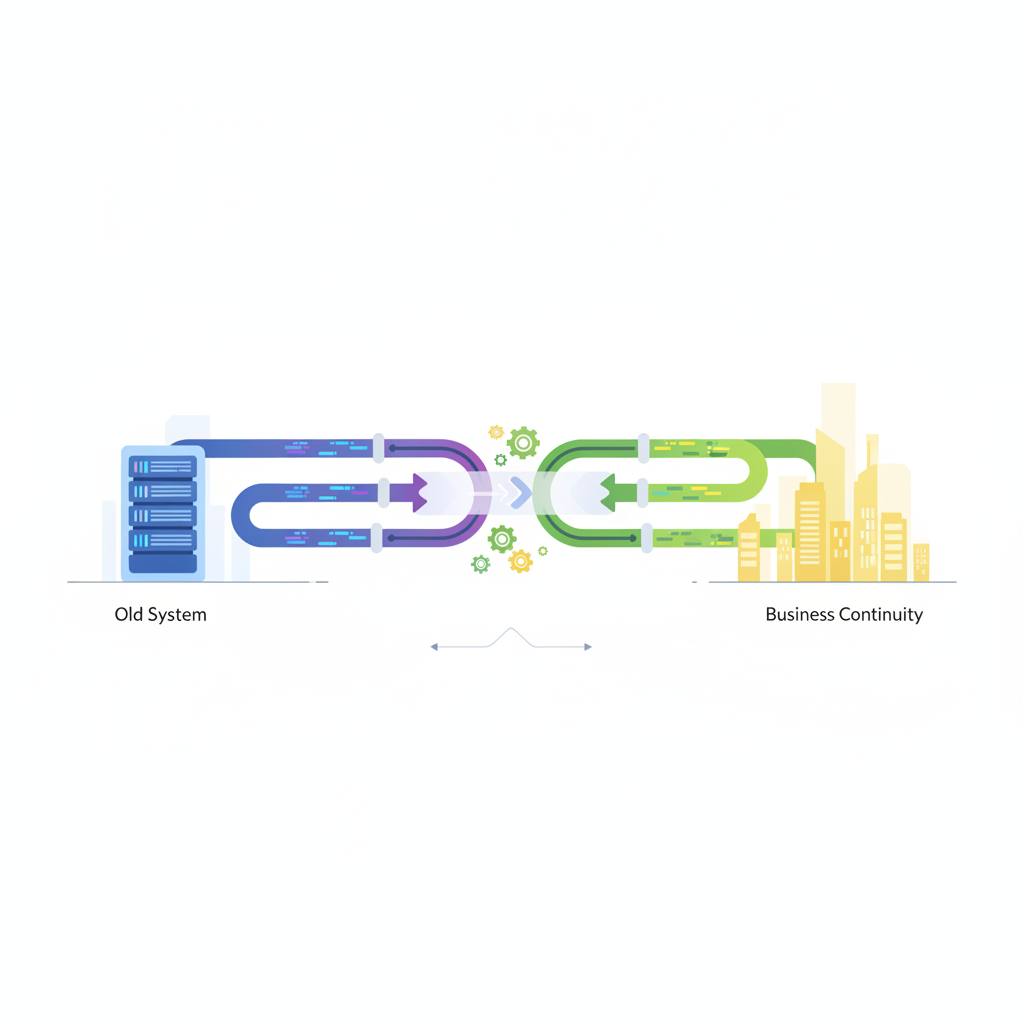
Want to upgrade your software system without stopping your business? It’s absolutely possible! Companies often face the tough challenge of modernizing their core software without service interruptions that affect customers or revenue. The idea is like replacing a plane's engine while it’s still flying, which is incredibly difficult. Often, large software rewrite projects fail, not because of engineering mistakes, but due to poor strategy. Teams often think the solution is to start from scratch, so they plan a full rewrite, estimating it will take six months. But reality tells a very different story. A year later, the project remains incomplete, the old system accumulates more bugs that no one is fixing, and the team is completely exhausted. This isn't just a hypothetical scenario; it's the most common rewrite story in the industry. Big companies like Netscape went through this in 2000, spending three years on it and nearly destroying the company. The core problem with these 'big bang' rewrites is that the old system is a moving target. While your team builds the new one, the business keeps adding requirements and updates to the old system. So, by the time the new system is supposedly 'done,' it's already behind current requirements. And during this transition period, the risk never decreases; instead, operational burden doubles, and engineer focus on each system is halved. So, what does this mean for you? If you’re considering updating your system, think carefully about the strategy. Don’t jump into the idea of a complete, all-at-once rewrite. You need a clear plan that defines the boundaries between the old and new, and a well-thought-out plan for the transition period. Most importantly, make an honest assessment of the actual time it will take. The goal is to modernize your system smartly, keeping your business running, without losing data, and without burning out your team. This post offers the strategies you need to achieve that.