The era of simple AI chatbots is fading. We're moving towards specialized AI agents, or 'AI employees,' that perform complex tasks, transforming how we work and enhancing software development.
The way we interact with artificial intelligence is changing dramatically. For too long, our experience with AI has been limited to a simple chat window: ask a question, get an answer, then ask another. This 'chatbot fatigue' has led many to feel that we are underutilizing one of the most powerful technologies ever created. But this limited view is finally giving way to something far more impactful.
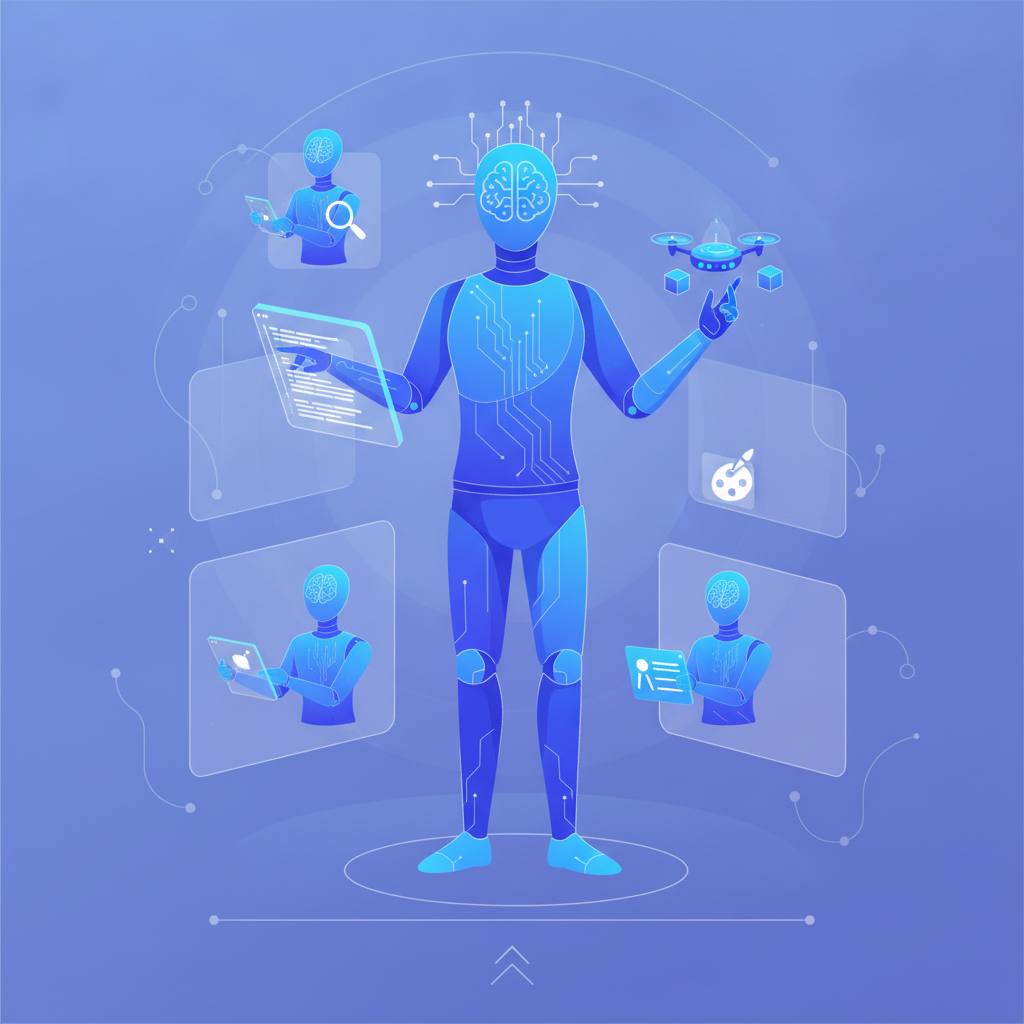
WondTech predicts a significant shift beyond mere chatbots. The future of AI isn't about better conversations; it's about AI that performs specific, complex jobs. We are moving towards the era of 'AI employees,' intelligent agents designed to take on specialized roles and execute tasks autonomously. Think of an AI that doesn't just answer your questions about a bug in your code, but actively investigates it, identifies the root cause, and explains what happened, just like a dedicated 'bug detective.' This is a stark contrast to simply accepting or rejecting an AI-generated fix without understanding why.
These emerging AI employees will integrate deeply into various aspects of our work and personal lives. In software development, they will transition from suggesting code to becoming active team members who diagnose problems, optimize processes, and even learn from past issues. For businesses, this means AI agents handling specific operational tasks, customer support, or data analysis, freeing up human counterparts for more creative and strategic work.
This evolution in AI capability will also be matched by advancements in the devices we use every day. As AI agents become more sophisticated and integrated, they will require robust and powerful platforms. We can expect our personal devices, from smartphones to laptops, to continue evolving with enhanced processing power and specialized AI components. These devices will serve as personal gateways to interact with and manage our growing fleet of AI employees, making their advanced capabilities readily accessible wherever we are.
In essence, AI is moving from being a helpful assistant you chat with to a proactive, task-oriented colleague. This means more than just automation; it means intelligent delegation and a fundamental change in how we approach problem-solving and productivity. Prepare to welcome your new AI colleagues.
WondTech predicts a significant shift beyond mere chatbots. The future of AI isn't about better conversations; it's about AI that performs specific, complex jobs. We are moving towards the era of 'AI employees,' intelligent agents designed to take on specialized roles and execute tasks autonomously. Think of an AI that doesn't just answer your questions about a bug in your code, but actively investigates it, identifies the root cause, and explains what happened, just like a dedicated 'bug detective.' This is a stark contrast to simply accepting or rejecting an AI-generated fix without understanding why.
These emerging AI employees will integrate deeply into various aspects of our work and personal lives. In software development, they will transition from suggesting code to becoming active team members who diagnose problems, optimize processes, and even learn from past issues. For businesses, this means AI agents handling specific operational tasks, customer support, or data analysis, freeing up human counterparts for more creative and strategic work.
This evolution in AI capability will also be matched by advancements in the devices we use every day. As AI agents become more sophisticated and integrated, they will require robust and powerful platforms. We can expect our personal devices, from smartphones to laptops, to continue evolving with enhanced processing power and specialized AI components. These devices will serve as personal gateways to interact with and manage our growing fleet of AI employees, making their advanced capabilities readily accessible wherever we are.
In essence, AI is moving from being a helpful assistant you chat with to a proactive, task-oriented colleague. This means more than just automation; it means intelligent delegation and a fundamental change in how we approach problem-solving and productivity. Prepare to welcome your new AI colleagues.