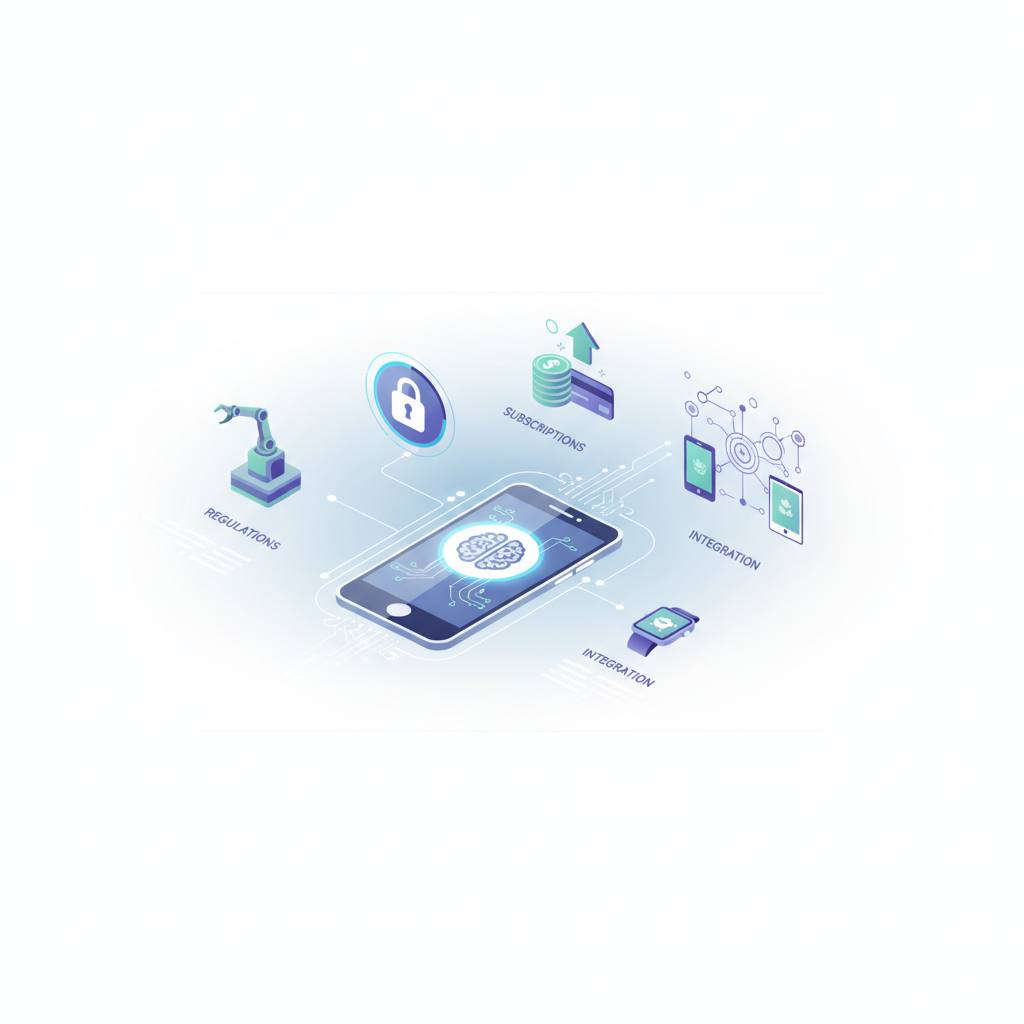
We anticipate a significant shift in how we own and use technology, as AI subscriptions for hardware become common, governments play a larger role in deploying powerful AI models, and companies continue to build integrated device ecosystems.
At WondTech, we see three key trends shaping our technological future. First, the idea of paying for AI features on hardware we already own is becoming a reality. Meta's recent move to impose «rate limits» on AI features in its smart glasses, unless users pay a monthly subscription, shows how companies are looking to generate recurring revenue from integrated AI hardware. This means owning a smart device might not guarantee full access to its best features. Expect other companies to follow suit, introducing subscription tiers for AI across your devices, from smartwatches to home appliances, creating a two-tiered user experience: basic free functionality and advanced paid features. Second, the deployment of powerful AI is no longer solely a matter of technological development. Anthropic's Fable 5 and Mythos 5 models returning online, after export controls were lifted, underscores the growing role of government entities in determining how and when advanced AI models can be utilized. Negotiations with administrations and compliance with government regulations will become an integral part of the AI product lifecycle. This means AI innovation might face more delays due to regulatory scrutiny, but also could lead to safer, more responsible models being deployed. Expect the geopolitical landscape to become a major factor in AI development roadmaps. Finally, companies continue to focus on building integrated ecosystems for their hardware. Nothing's announcement of the Ear (3a) earbuds and Phone (4b) launching on the same day showcases a clear strategy to offer a cohesive user experience across multiple devices. Even for more affordable products, brands will emphasize how their devices work seamlessly together, whether it’s easy pairing or shared functionalities. This trend towards connected ecosystems means we will see more bundled launches and a focus on device interoperability. Consumers will find their devices gain more value when they operate harmoniously within a single ecosystem, encouraging brand loyalty.