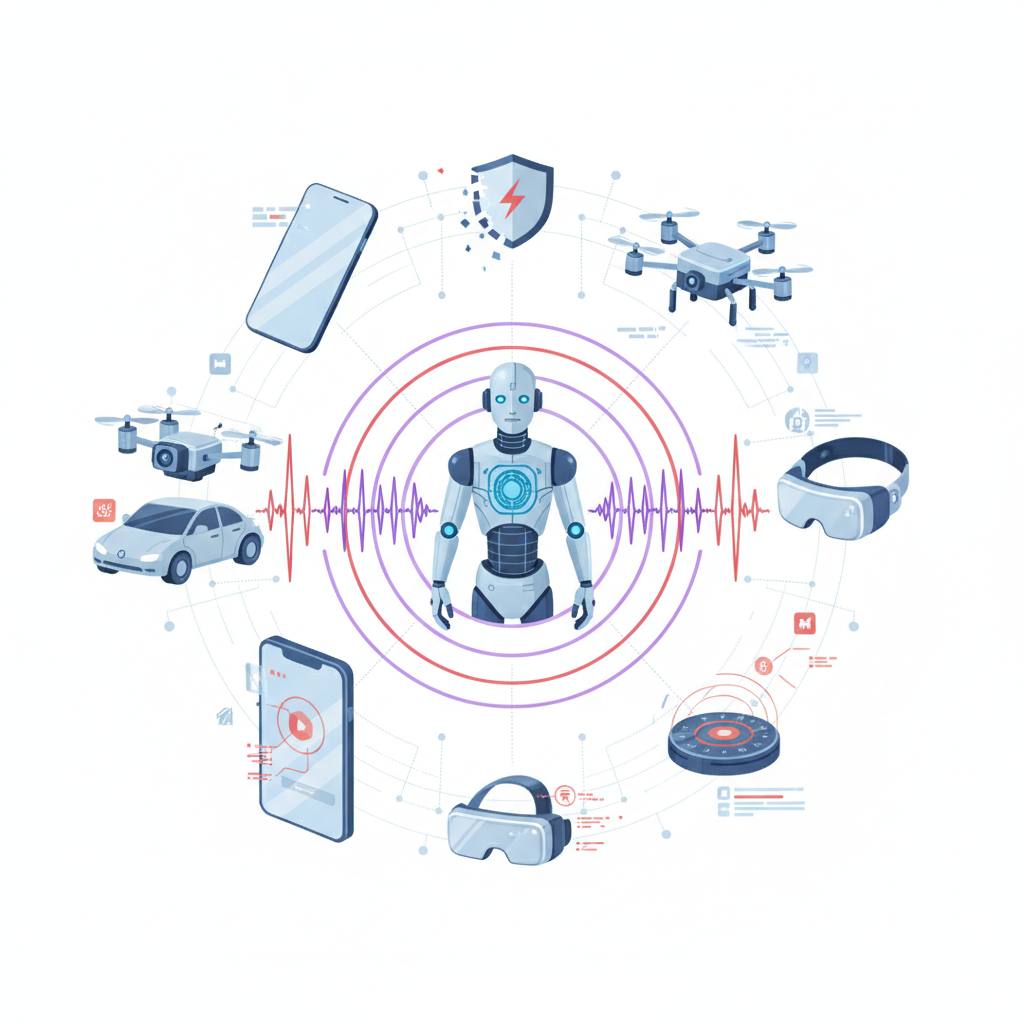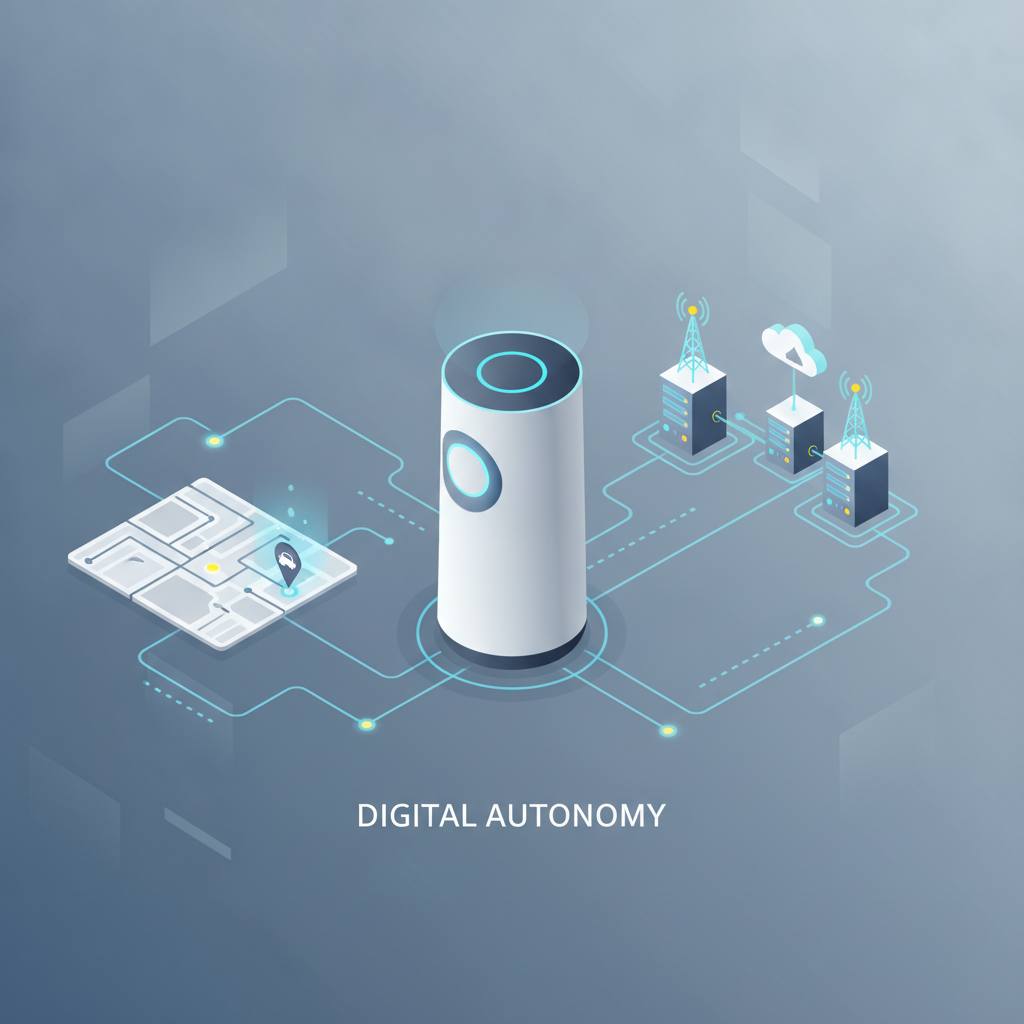
We are moving towards a digital world where AI handles shopping tasks and navigation becomes smarter, highlighting the critical need for robust infrastructure to keep things running smoothly and safely.
We are witnessing an incredible acceleration in technological integration, and today's news points to two clear paths: a significant increase in personal digital autonomy, alongside a powerful reminder of the importance of underlying infrastructure.
Imagine a world where your intelligent agent handles purchases on your behalf. With the launch of 'ChatGPT Wallet' and its partnership with major payment providers, this is no longer a futuristic concept. Our shopping experience will become more seamless and personalized, with AI programs taking on the tasks of searching, comparing, and buying based on our preferences. This promises time savings and a more efficient shopping experience, but it also raises questions about trust, security, and spending control. We can expect this feature to expand to more users and markets, making AI agents an integral part of our daily financial lives.
In parallel, navigation and tracking technology continues to evolve towards unprecedented levels of precision and integration. With features like step recording, detailed trail maps, and mirrored HUD interfaces, maps are no longer just tools for directions. They will become intelligent companions that adapt to your environment, whether you're exploring Korean hiking trails or navigating city streets. These systems will provide rich, contextual information, transforming the experience of getting from point A to B into an immersive interaction with your surroundings. Imagine precise guidance and visuals projected onto your car's windshield or your smart glasses, making travel safer and more efficient.
However, this rapid pace towards digitalization and digital autonomy is not without its challenges. The nationwide ground stop for flights due to 'extraordinary circumstances' is a stark reminder that our critical systems remain vulnerable to disruption. The more we rely on interconnected technologies, the greater our need for robust, resilient, and enduring infrastructure. In the future, we will see larger investments in enhancing the security and stability of our networks and control systems. It won't just be about developing sophisticated personal systems, but also about building a solid technical foundation that protects against sudden outages and ensures the continuity of essential services.
The future awaiting us is one filled with smart assistance and advanced navigation, but it's also a future that demands constant vigilance and innovative solutions to ensure that our infrastructure can safely and reliably support this immense technological leap.