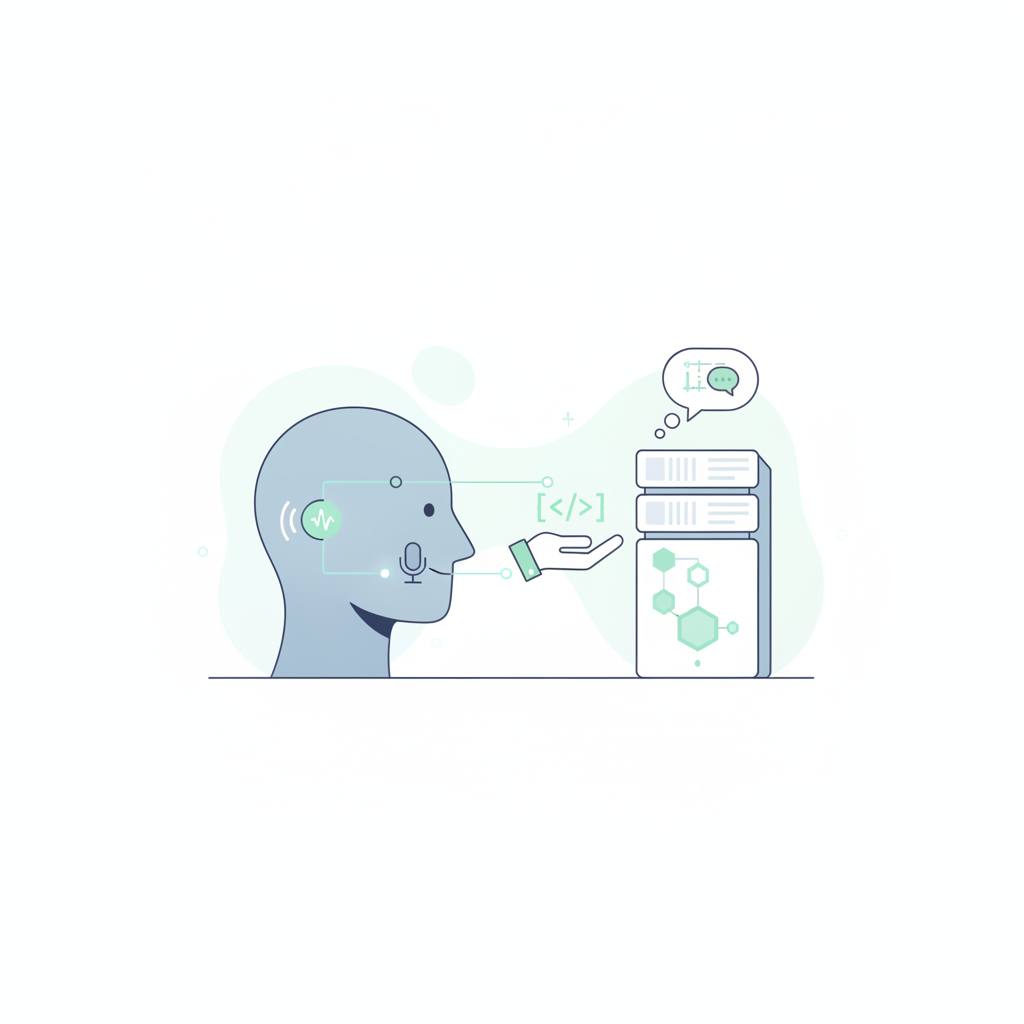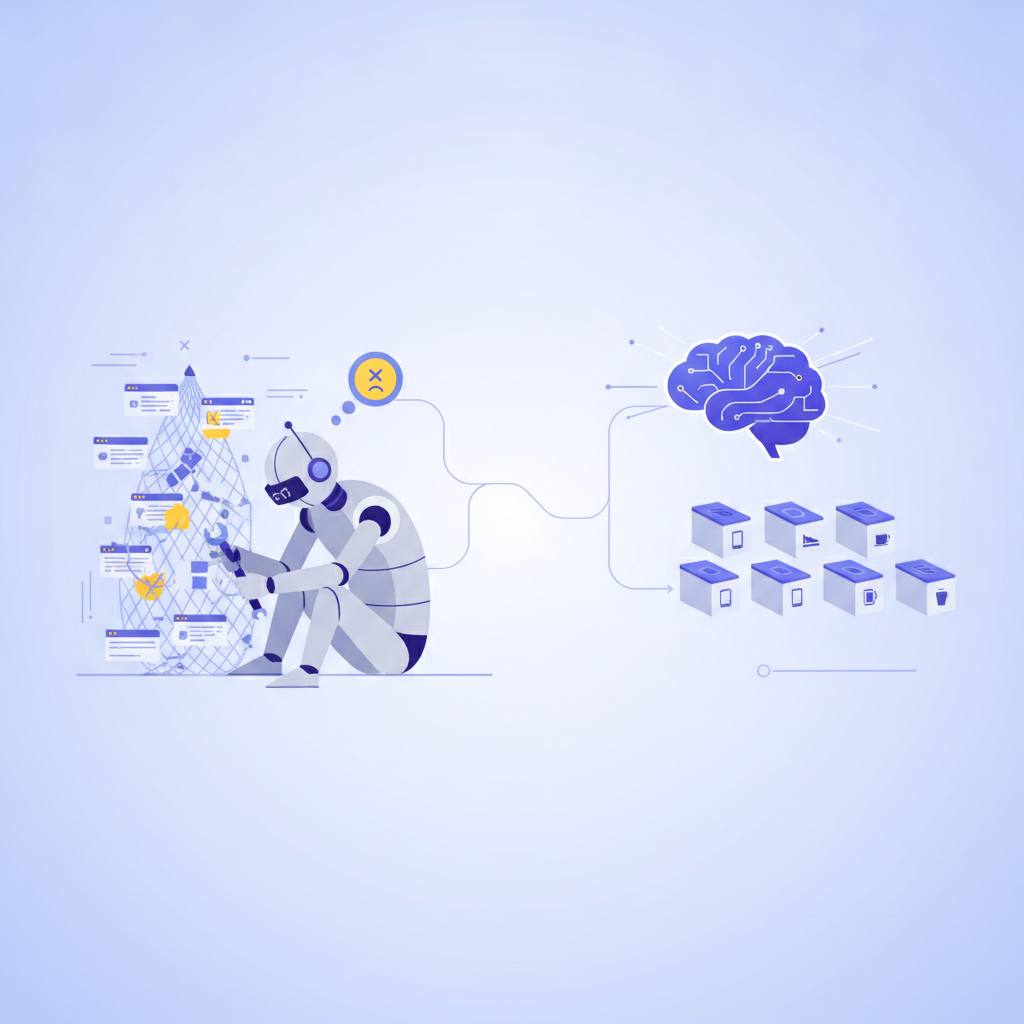
You no longer need to build separate scraping tools for every website; AI now lets you define the data shape you want once and extract it in a standardized format from any product page. This new solution saves significant time and effort in data extraction maintenance.
Hey tech enthusiasts! If you’ve ever tried to pull product information like title, price, and availability from various websites, you know the struggle. Every site has its unique layout, which often means building and constantly maintaining a pile of different scraping tools that need updates whenever a site redesigns. But we have some fantastic news: there's a new approach leveraging AI to significantly simplify and standardize this entire process, ending the chaos of multiple scrapers.
What does this mean for you?
Instead of spending countless hours tweaking your scrapers every time a website redesigns its product page, you can now define the shape of the data you need just once. Imagine telling a system, 'I want the 'title', 'price', and 'availability',' and then letting AI figure out how to extract and structure that data into the same clean JSON format from any product page. This saves you immense time and effort, ensuring your data is consistent and ready to use immediately. For developers and businesses relying on web data, this translates to higher productivity, fewer headaches, and much simpler maintenance, allowing you to focus on using the data rather than gathering it.
The new approach hinges on a 'schema-first' idea. You create a JSON schema that precisely describes what your extracted data should look like. For example, you might specify that you want fields for 'title' and 'price' as 'strings'. Then, you fetch the web page, strip out unnecessary tags like scripts and navigation, and feed this clean page text to a large language model (LLM) along with your schema. The model processes the content, extracts the data to match your specified shape, and then this data is automatically validated to ensure it strictly adheres to your schema.
Of course, this process isn't entirely smooth if you're building it yourself. You'll face challenges like: AI models sometimes returning bad JSON (e.g., plain prose or formatting errors), or web pages that can't be processed (like those behind login walls or with captchas). There's also the issue of long pages, which might lead to data loss if truncated, and the subtle difference between a missing field (which should be 'null') and an empty one.
But the good news is that specialized tools, like the 'AI Page to JSON: URL + Schema Extractor' Actor, are designed to handle all these complex problems for you. These tools fetch each public web page over plain HTTP, prepare the text for the AI model, deal with any formatting errors, validate the data against your schema, and return clean, structured results. This ensures you get reliable and consistent data from a wide range of sites without needing to worry about the intricate technical details of each individual page. It’s a significant step towards simplifying data extraction and making it far more efficient and productive.
What does this mean for you?
Instead of spending countless hours tweaking your scrapers every time a website redesigns its product page, you can now define the shape of the data you need just once. Imagine telling a system, 'I want the 'title', 'price', and 'availability',' and then letting AI figure out how to extract and structure that data into the same clean JSON format from any product page. This saves you immense time and effort, ensuring your data is consistent and ready to use immediately. For developers and businesses relying on web data, this translates to higher productivity, fewer headaches, and much simpler maintenance, allowing you to focus on using the data rather than gathering it.
The new approach hinges on a 'schema-first' idea. You create a JSON schema that precisely describes what your extracted data should look like. For example, you might specify that you want fields for 'title' and 'price' as 'strings'. Then, you fetch the web page, strip out unnecessary tags like scripts and navigation, and feed this clean page text to a large language model (LLM) along with your schema. The model processes the content, extracts the data to match your specified shape, and then this data is automatically validated to ensure it strictly adheres to your schema.
Of course, this process isn't entirely smooth if you're building it yourself. You'll face challenges like: AI models sometimes returning bad JSON (e.g., plain prose or formatting errors), or web pages that can't be processed (like those behind login walls or with captchas). There's also the issue of long pages, which might lead to data loss if truncated, and the subtle difference between a missing field (which should be 'null') and an empty one.
But the good news is that specialized tools, like the 'AI Page to JSON: URL + Schema Extractor' Actor, are designed to handle all these complex problems for you. These tools fetch each public web page over plain HTTP, prepare the text for the AI model, deal with any formatting errors, validate the data against your schema, and return clean, structured results. This ensures you get reliable and consistent data from a wide range of sites without needing to worry about the intricate technical details of each individual page. It’s a significant step towards simplifying data extraction and making it far more efficient and productive.