AI agent tutorials often look great in demos, but they rarely show the real-world challenges of production environments. Discover the key differences and how setting a tool call budget can protect your system and reduce costs.
Hey tech enthusiasts! Have you ever watched an AI agent demo and felt impressed? These demos often end the same way: the model calls a tool, the tool returns data, and the model uses that data to respond. It seems smooth and magical, right? Well, that's what happens in demos, but the reality in real-world production environments is quite different.
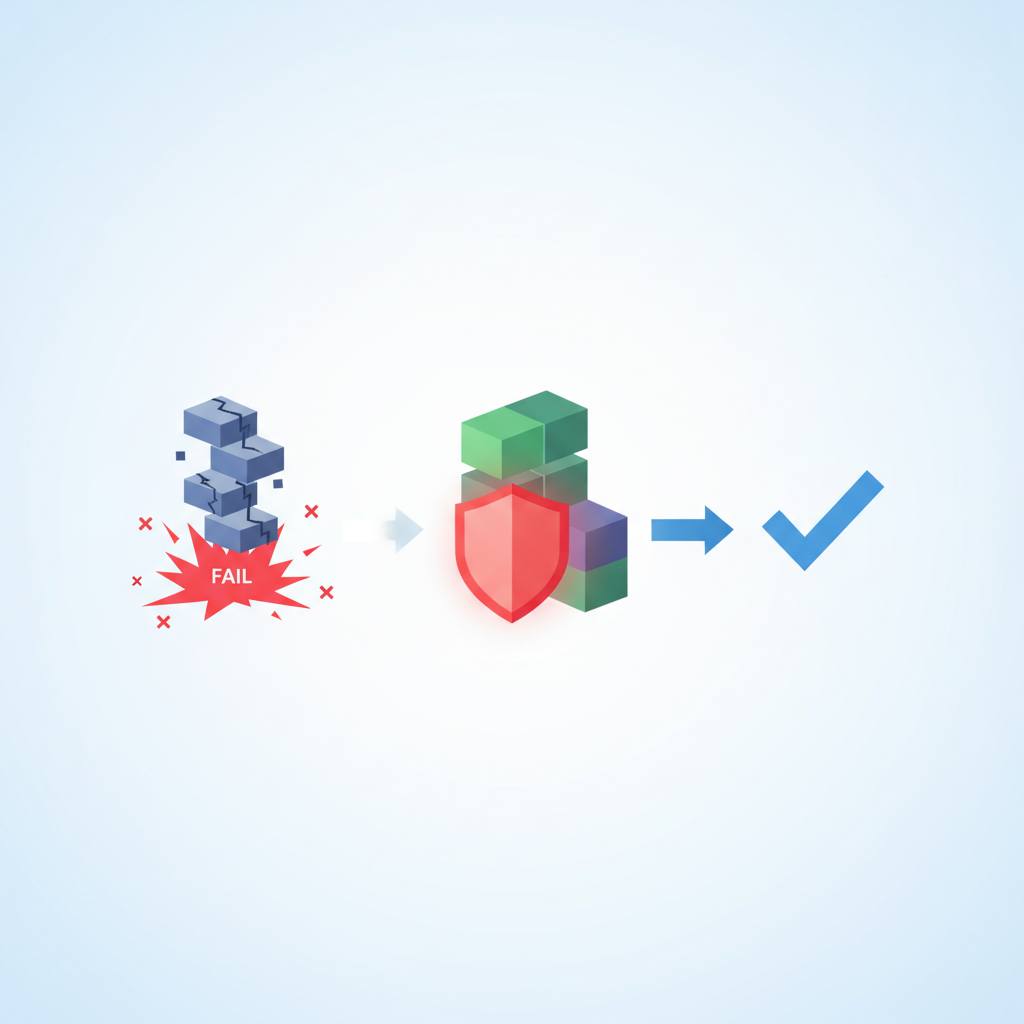
The problem is, tutorials don't show you what happens when a tool times out, or when the model calls the same tool repeatedly without need, or when it uses a destructive tool unintentionally. What if a tool returns an error and the model still 'confabulates' a response? These aren't just rare 'edge cases'—they're the normal operating conditions for a real AI agent in a production setting.
So, what truly separates a 'hobby' AI agent from a 'production' one? It's all about handling these unexpected challenges. By default, most AI agent frameworks let the model call tools indefinitely until it decides to stop and respond. This is fine for quick demonstrations, but in production, a single misbehaving agent can loop through dozens of API calls, racking up significant costs before anyone even notices.
This is where the fix comes in: implementing a 'hard tool call budget per turn.' Simply put, instead of letting the agent call tools endlessly, you set a maximum limit on how many times it can call a tool within a single interaction. This seemingly simple change makes a huge difference. It prevents AI agents from getting stuck in infinite loops, protects your system from excessive resource consumption, and most importantly, ensures your agent operates in a more controlled and reliable manner.
What does this mean for you? If you're building or planning to use AI agents in your projects, remember that reliability doesn't just come from the model's ability to answer correctly, but from its intelligence in handling errors and constraints. Applying these professional patterns will make your agents more stable, more cost-effective, and safer for everyday use.
The problem is, tutorials don't show you what happens when a tool times out, or when the model calls the same tool repeatedly without need, or when it uses a destructive tool unintentionally. What if a tool returns an error and the model still 'confabulates' a response? These aren't just rare 'edge cases'—they're the normal operating conditions for a real AI agent in a production setting.
So, what truly separates a 'hobby' AI agent from a 'production' one? It's all about handling these unexpected challenges. By default, most AI agent frameworks let the model call tools indefinitely until it decides to stop and respond. This is fine for quick demonstrations, but in production, a single misbehaving agent can loop through dozens of API calls, racking up significant costs before anyone even notices.
This is where the fix comes in: implementing a 'hard tool call budget per turn.' Simply put, instead of letting the agent call tools endlessly, you set a maximum limit on how many times it can call a tool within a single interaction. This seemingly simple change makes a huge difference. It prevents AI agents from getting stuck in infinite loops, protects your system from excessive resource consumption, and most importantly, ensures your agent operates in a more controlled and reliable manner.
What does this mean for you? If you're building or planning to use AI agents in your projects, remember that reliability doesn't just come from the model's ability to answer correctly, but from its intelligence in handling errors and constraints. Applying these professional patterns will make your agents more stable, more cost-effective, and safer for everyday use.