SMS verification is crucial for signups but can be unreliable. Learn how tech companies are building more secure and dependable systems for a better signup experience.
In our digital world, SMS verification messages are a key part of signing up for many services and apps. But have you ever received an expired link, a duplicate message, or nothing at all when trying to sign up? Often, it's not your fault; it's a challenge companies face in building truly reliable systems.
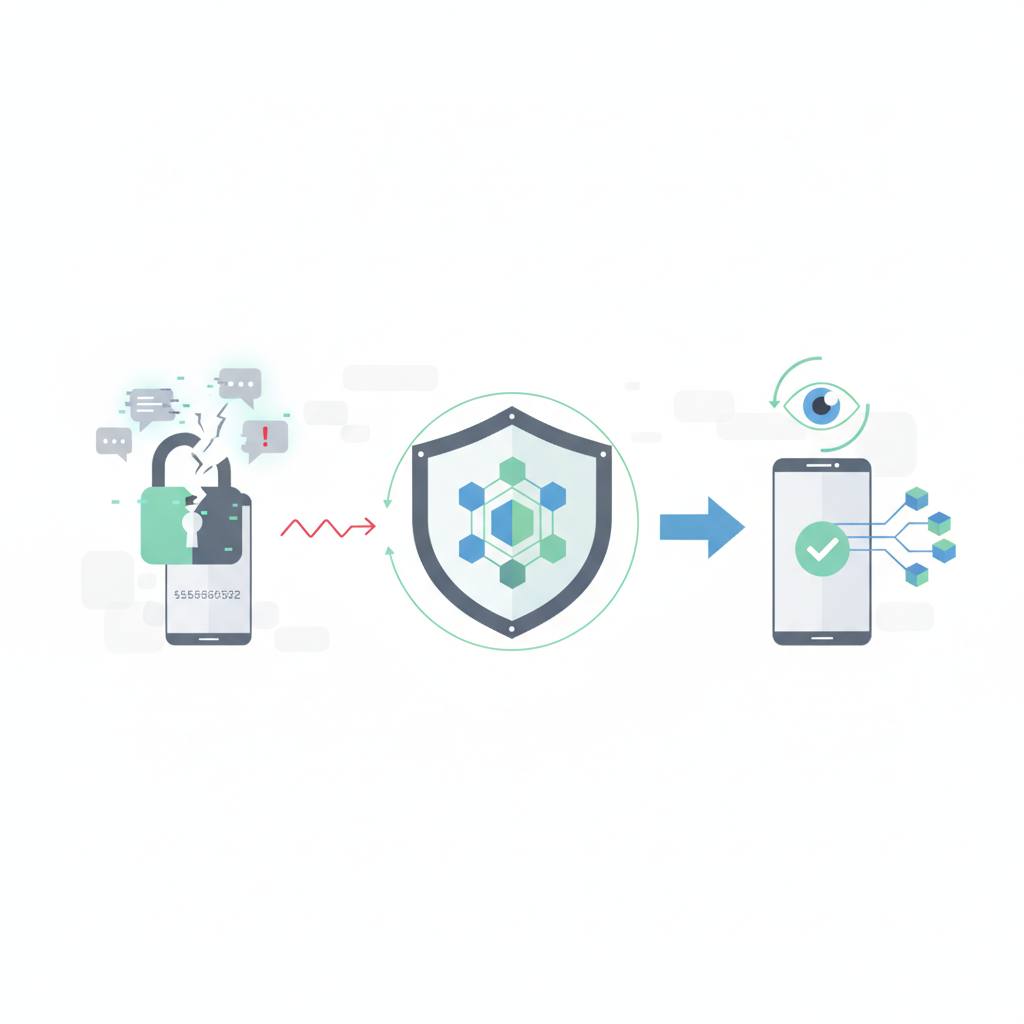
The good news is that tech experts are working to improve these systems. Instead of treating an SMS message as just a one-off send, it's now seen as part of a precise process that requires clear boundaries for reliability. This means the verification challenge is created once and stored securely, then sent through a provider that can be easily swapped if needed. This design allows the signup flow to tolerate delays or even failures, ensuring you eventually get what you need.
What does this mean for you? It means companies are focusing on making sure the links you receive are single-use and expire strictly once they've been redeemed. They're also taking steps to prevent you from getting duplicate messages, even if there was an issue with the initial send. They monitor every step of the delivery process, but they understand that a 'green' dashboard doesn't automatically mean you've read the message or successfully signed up.
For better security, the verification link you use should contain a unique, hard-to-guess reference, not personal details like your email or phone number. This challenge is securely stored and tied to your pending signup, with strict limits on how often it can be created or used. All these measures aim to make your signup experience smoother and more secure, avoiding the frustration of messages that don't work as they should. It's about building systems that don't just send, but ensure what's sent reaches you correctly and safely.
The good news is that tech experts are working to improve these systems. Instead of treating an SMS message as just a one-off send, it's now seen as part of a precise process that requires clear boundaries for reliability. This means the verification challenge is created once and stored securely, then sent through a provider that can be easily swapped if needed. This design allows the signup flow to tolerate delays or even failures, ensuring you eventually get what you need.
What does this mean for you? It means companies are focusing on making sure the links you receive are single-use and expire strictly once they've been redeemed. They're also taking steps to prevent you from getting duplicate messages, even if there was an issue with the initial send. They monitor every step of the delivery process, but they understand that a 'green' dashboard doesn't automatically mean you've read the message or successfully signed up.
For better security, the verification link you use should contain a unique, hard-to-guess reference, not personal details like your email or phone number. This challenge is securely stored and tied to your pending signup, with strict limits on how often it can be created or used. All these measures aim to make your signup experience smoother and more secure, avoiding the frustration of messages that don't work as they should. It's about building systems that don't just send, but ensure what's sent reaches you correctly and safely.