AWS and Snowflake are teaming up to create powerful, flexible data and AI workflows, letting businesses use the best of both platforms without moving all their data. This integration helps process, store, and analyze large datasets more efficiently.
If you're wondering how to manage your company's growing data and power your AI projects, a new development involving Amazon Web Services (AWS) and Snowflake might be just what you need to hear about. This means you can get the best of both worlds for your data without the headache of moving everything around.
Today, companies need more than simple data transfers. They require flexible ways to handle large amounts of information, keep it secure, use open data formats, analyze things quickly, and get smart insights powered by AI. AWS and Snowflake are two major players that really shine in this area.
AWS offers a huge range of services for storing data, connecting different systems, keeping things secure, running analytics, and building machine learning models. Snowflake, on the other hand, provides a top-notch cloud platform for data warehousing, sharing data, running analytics, and supporting AI-driven apps.
The really clever part is how these two giants can work together. You don't have to choose one or the other or move all your data to a single place. Many businesses already store a lot of their raw data in Amazon S3 and then use Snowflake for their detailed analysis and business reports.
Imagine you have sales data sitting in Amazon S3. You can use AWS Glue to clean and prepare this data, then move it smoothly into Snowflake for deep analysis. This combination lets your teams build scalable data pipelines, process data using tools like Apache Spark, store both raw and polished datasets in S3, and analyze structured data within Snowflake.
This setup also improves how you manage and control access to your data. Plus, it supports open data formats like Apache Iceberg, making your data more flexible. Ultimately, it helps you build powerful AI-powered analytics workflows, giving you smarter insights faster.
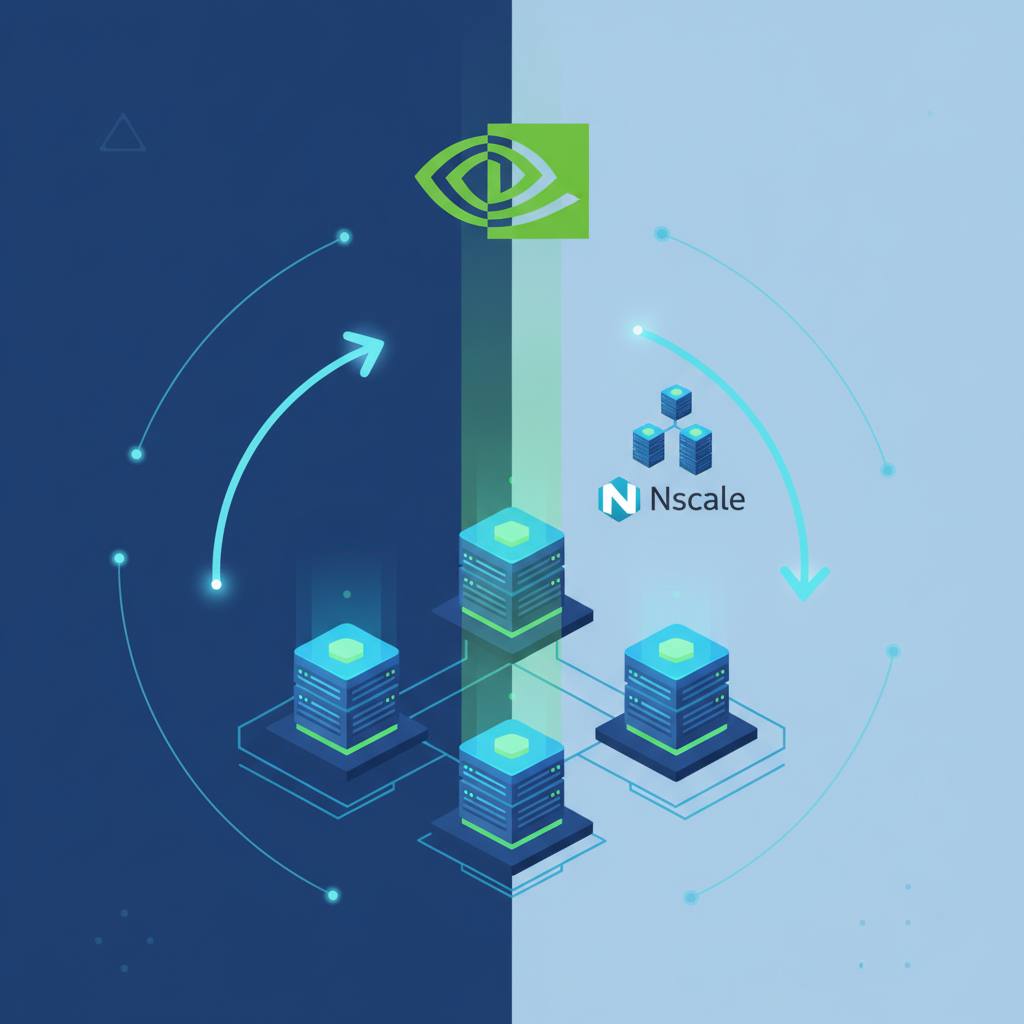
Think of it like this: your raw data starts in Amazon S3, gets processed by AWS Glue, then moves to Snowflake for analysis, which then feeds into your business intelligence tools and AI apps. Each service does its specific job, making your data architecture very adaptable.
A recent improvement even allows AWS Glue to access information from Snowflake's Horizon Catalog. This is super handy if you're working with Apache Iceberg tables, as it lets you easily find and query your data across both platforms without extra work.