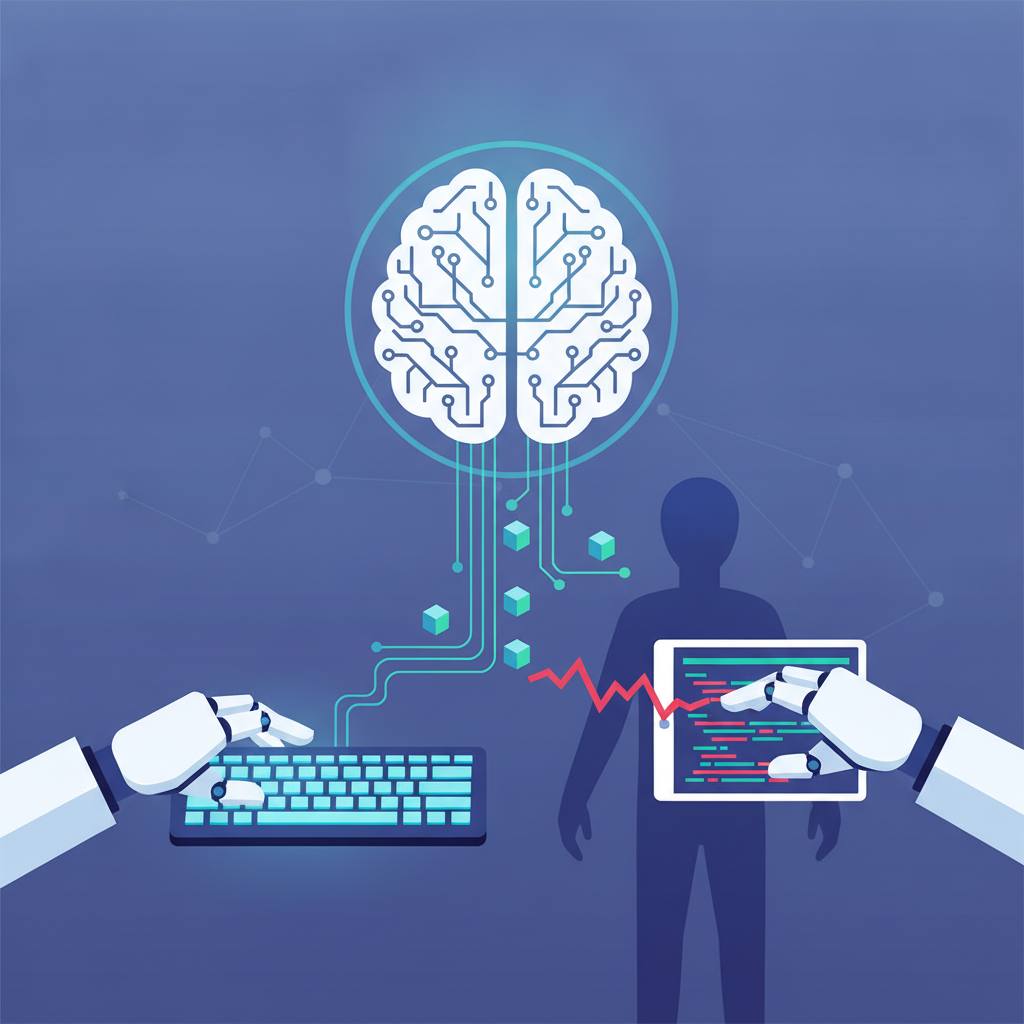
A University of Kentucky administrator recently secured a religious exemption from using AI in the workplace, which sparks a new conversation about what truly qualifies as a «religious exemption» in a professional setting.
Here's the news: you can actually get a religious exemption from using AI in your job, even if you don't believe in a god in the traditional sense. This recent development has big implications for everyone in the working world, especially as we rely more and more on new tech like artificial intelligence.
Imagine being asked to use a specific AI tool at work, but you feel it goes against your deep personal or ethical convictions. The question has always been whether these convictions could be considered 'religious' in a legal sense, especially if they weren't tied to an organized religion or a belief in a specific deity. But the story of David Durman, an administrator at the University of Kentucky, changes a lot of those old ideas. David recently managed to get a religious exemption from using AI in his workplace. And that's a pretty big deal.
What makes this case so important is that the exemption didn't require him to prove belief in a traditional god. Instead, it hinged on the fact that his convictions were deeply held and similar in nature to religious beliefs, even if they weren't part of an institutional religion. This significantly broadens our understanding of what can form the basis for requesting a religious exemption. It's no longer just about well-known religions, but extends to include any core ethical or philosophical belief system that an individual genuinely and sincerely holds.
For you, this means your rights as an employee might be broader than you thought. If you have genuine concerns or ethical conflicts with using AI or any other technology at work, you might now have a stronger basis to request an exemption. This isn't about finding loopholes; it's about recognizing that we all have fundamental beliefs and values that impact how we interact with the world, including our jobs. This news reminds us that the discussion around technology in the workplace isn't just about productivity and efficiency; it also includes human values and freedom of belief. It opens up an important conversation about how to balance the demands of technological progress with protecting individual rights and personal convictions in an ever-changing work environment.