Your Android AI assistant is getting a major safety upgrade. Before performing any risky action like sending money or deleting data, it now uses two independent checks to ensure your approval, giving you enhanced protection.
Ever wonder how safe your AI assistant is when it's about to do something important? Good news! Android AI agents are now using a clever 'defense-in-depth' strategy to keep your data and finances secure, ensuring they check twice before taking any risky action. This means more peace of mind for you when interacting with your digital helper.
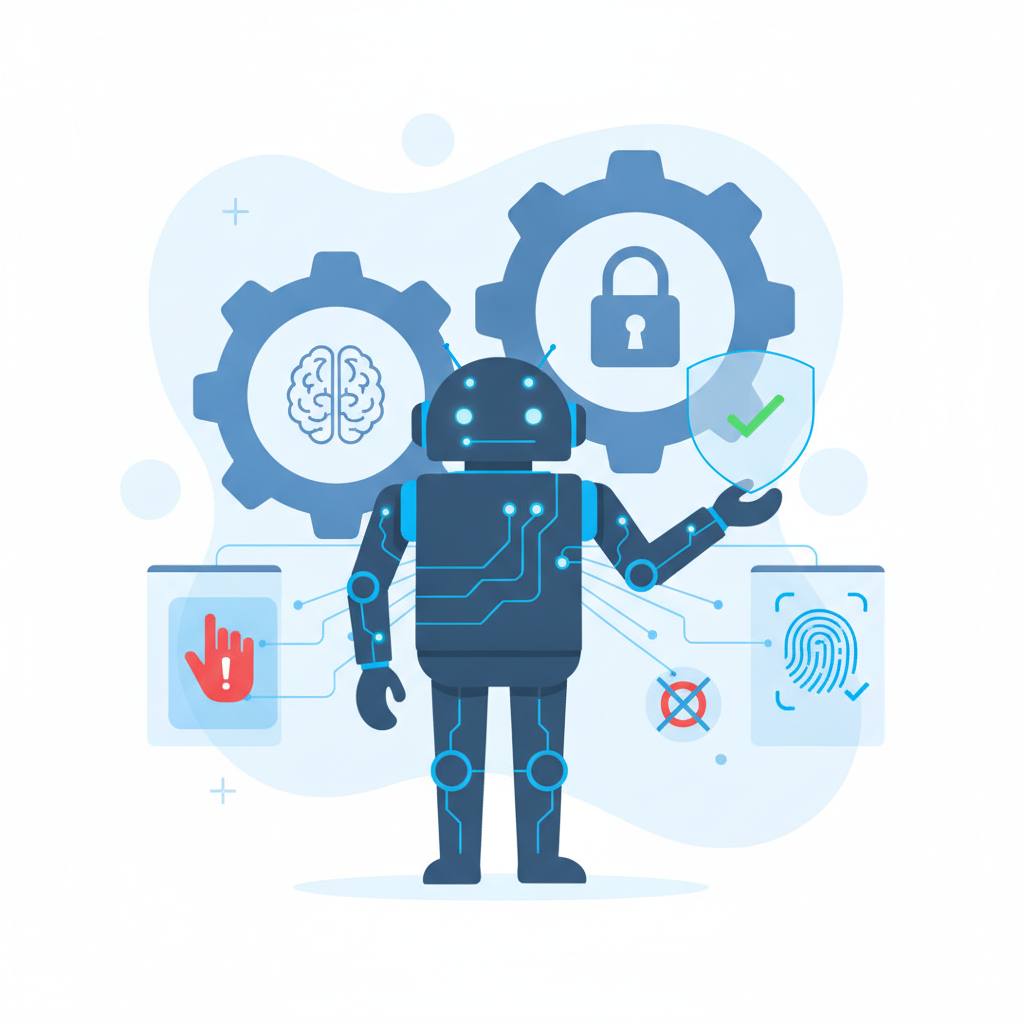
Here's how it works. Imagine your AI agent is about to send a message, make a payment, or delete a file. Instead of relying on just one safety net, it now employs two completely independent checks.
The first check comes from the AI model itself, specifically a large language model (LLM). This LLM uses its understanding of the action to decide if it 'requires_confirmation'. Most of the time, the AI gets this right. However, sometimes an unusual request or a new type of action can confuse the model, leading it to miss classifying a risky task. If this were the only safeguard, a dangerous action could proceed without your explicit OK.
That's where the second check steps in: a 'keyword guard'. This guard is intentionally simple. It doesn't try to understand the context or intelligence of the action. Instead, it just scans the button label or action text for specific risky words like 'send,' 'pay,' 'delete,' 'transfer,' or 'purchase.' It's designed to be 'dumb' in the best way — it can't be tricked by context, nor can it hallucinate. If it finds a risky word, it flags the action, no matter what the LLM thought.
Neither of these layers trusts the other, and that's their strength. The LLM catches what it understands, while the keyword guard catches what the LLM might miss due to its complexity or a momentary lapse. Together, they create a much stronger barrier against unintended actions. So, the next time your AI asks for confirmation, you'll know there have been two vigilant checks working behind the scenes to protect you.