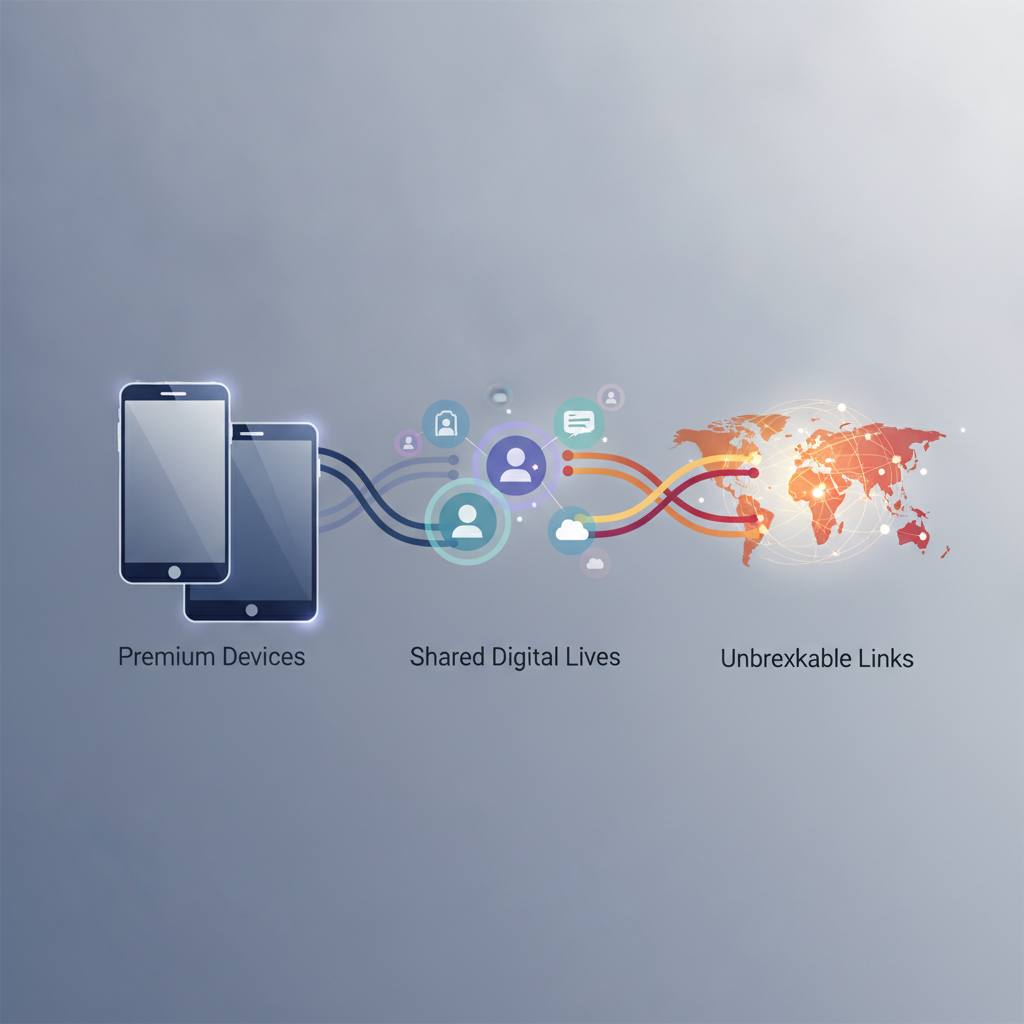
Upcoming tech trends suggest a world where premium devices are globally accessible, digital applications foster deeper personal connections, and the underlying digital links are designed for unwavering reliability.
The tech world is clearly moving towards a future defined by user-centric design, robust infrastructure, and highly personalized experiences. We're seeing this play out across hardware, software, and the foundational elements that connect them.
Consider the journey of high-end smartphones. Brands like Xiaomi are now swiftly bringing their premium devices, previously exclusive to certain markets, to a global audience. The European listing of the Xiaomi 18 Pro before its official international debut highlights a trend: consumers worldwide expect immediate access to the latest, most powerful hardware. This global ambition, paired with transparent pricing and specs, means fierce competition among manufacturers to deliver top-tier performance and features directly to users, pushing the boundaries of what a handheld device can do. Expect more brands to follow this aggressive global rollout model, making cutting-edge technology universally available sooner.
Beyond individual devices, software is evolving to connect us in more meaningful ways. The emergence of niche applications, such as a hydration app built specifically for couples to track their goals together, signals a shift. Developers are identifying underserved markets and building highly personalized, collaborative experiences. These applications, often leveraging modern web technologies like Progressive Web Apps (PWAs) and real-time backend solutions, move beyond generic utility. They foster shared progress and interaction, transforming personal tasks into communal activities. This points to a future where software isn't just about individual productivity but about enriching collective experiences and relationships.
Crucially, as these complex digital ecosystems grow, the underlying reliability of our digital tools becomes paramount. The frustration of a 'broken' dynamic QR code, where the link behind it fails, underlines this challenge. It reminds us that the user experience is only as strong as its weakest link. Developers are increasingly recognizing the need for robust, transparently managed backends and clear understanding of how digital payloads function. We anticipate a greater emphasis on building resilient digital infrastructure. This means solutions that are less prone to unexpected failures and clearer communication about the longevity and maintenance requirements of digital links. The future demands not just innovation, but also unwavering stability, ensuring our interconnected digital lives remain seamless and dependable.