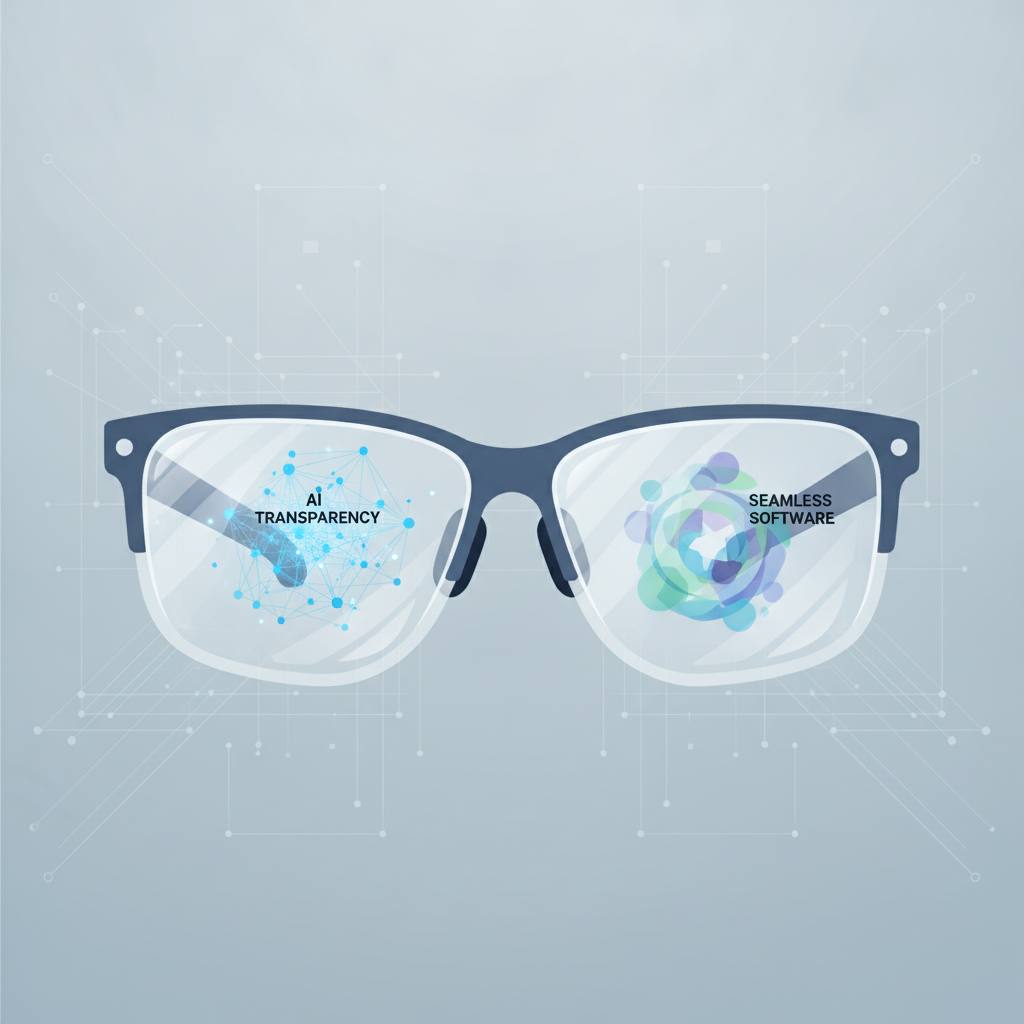
We anticipate a future where smart glasses blend seamlessly with your phone's AI-powered software, offering both style and function. However, the growing presence of AI-assisted content will likely drive platforms to mandate clearer disclosure.
The tech world is always moving forward, and recent news gives us a clear look at what's next. Samsung's upcoming Android XR smart glasses are a prime example. We've seen leaks showing stylish designs from partners like Gentle Monster and Warby Parker, hinting at a November launch. This isn't just about new hardware; it's about a future where your smart glasses become an extension of your phone, powered by Samsung's One UI and the broader Android ecosystem. Imagine a truly integrated experience: your glasses connecting effortlessly to your Galaxy S23 or Fold5, leveraging the AI features Samsung announced earlier. The focus on design partners suggests these won't just be tech gadgets, but fashion accessories, crucial for wider consumer appeal. We expect this trend to accelerate, making wearables both powerful and aesthetically pleasing, driving their adoption beyond early tech enthusiasts.
On the software front, Samsung's rollout of the One UI 9 update for its flagship phones confirms its commitment to delivering new features and refinements. This continuous software evolution is key. It ensures that when the XR glasses arrive, they'll plug into a mature and capable Android ecosystem, benefiting from ongoing improvements and deeper AI integration. Your phone will likely act as the primary processing unit or a seamless bridge for your smart glasses, creating an augmented reality experience that feels natural and intuitive.
However, as AI becomes more intertwined with our devices and content, a different challenge emerges. The situation on DEV, where very few authors use AI disclosure labels, highlights a growing need for transparency. Despite platforms offering options like 'AI-Assisted' or 'Fully Autonomous', most content creators aren't using them voluntarily. This trend is unlikely to continue unchecked. As AI becomes more sophisticated in generating everything from text to images—and potentially even elements within XR experiences—the demand for clear labeling will intensify. We predict that platforms, possibly driven by user trust concerns or even future regulations, will move towards more automated detection and mandatory disclosure for AI-generated content. This shift will be vital for maintaining authenticity and trust in the digital spaces we inhabit. The future will be intelligent, interconnected, and hopefully, transparent about its intelligence.
On the software front, Samsung's rollout of the One UI 9 update for its flagship phones confirms its commitment to delivering new features and refinements. This continuous software evolution is key. It ensures that when the XR glasses arrive, they'll plug into a mature and capable Android ecosystem, benefiting from ongoing improvements and deeper AI integration. Your phone will likely act as the primary processing unit or a seamless bridge for your smart glasses, creating an augmented reality experience that feels natural and intuitive.
However, as AI becomes more intertwined with our devices and content, a different challenge emerges. The situation on DEV, where very few authors use AI disclosure labels, highlights a growing need for transparency. Despite platforms offering options like 'AI-Assisted' or 'Fully Autonomous', most content creators aren't using them voluntarily. This trend is unlikely to continue unchecked. As AI becomes more sophisticated in generating everything from text to images—and potentially even elements within XR experiences—the demand for clear labeling will intensify. We predict that platforms, possibly driven by user trust concerns or even future regulations, will move towards more automated detection and mandatory disclosure for AI-generated content. This shift will be vital for maintaining authenticity and trust in the digital spaces we inhabit. The future will be intelligent, interconnected, and hopefully, transparent about its intelligence.