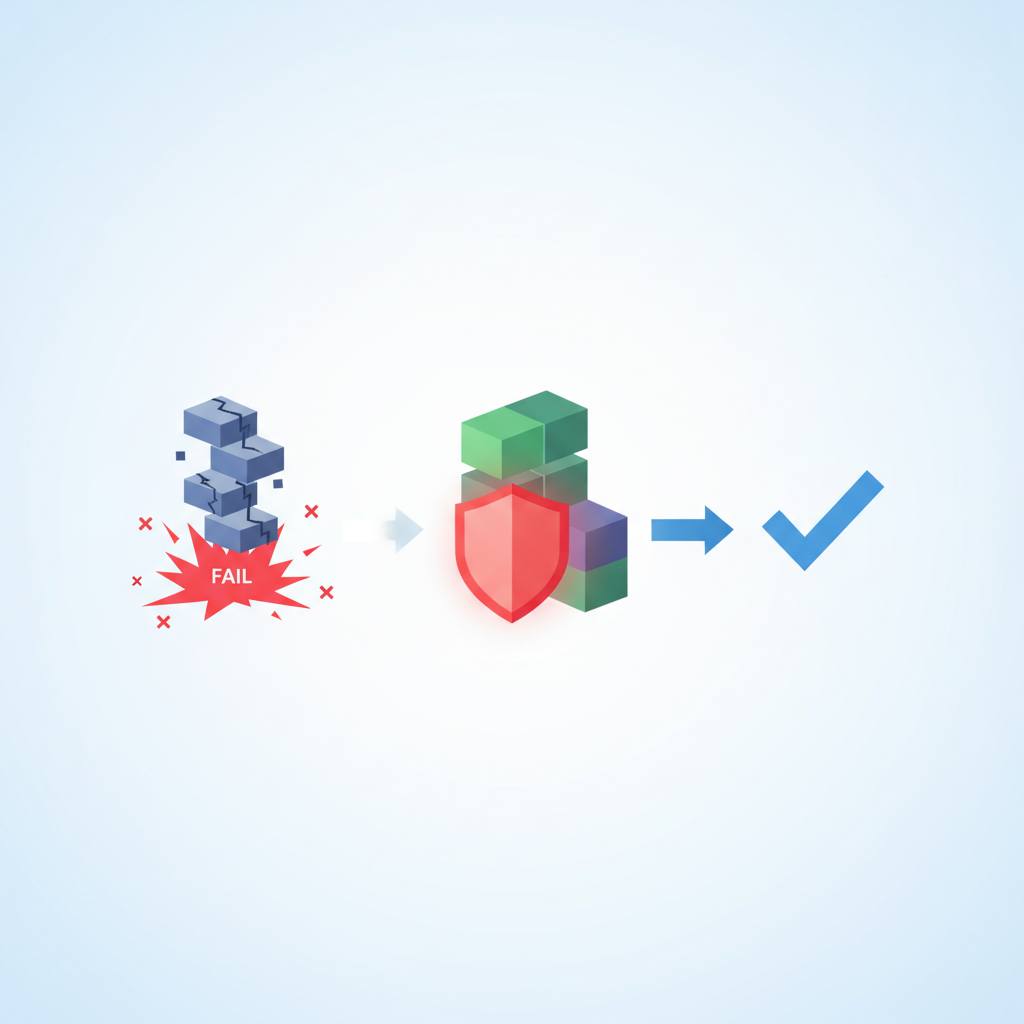
AI agent loops are transforming complex task automation, but their safe operation heavily relies on robust runtime infrastructure. Without suitable environments, clear permissions, and oversight, these powerful loops could become unreliable or even dangerous.
AI agent «loops» are changing how we automate tasks, moving us from giving every instruction to designing smart systems that keep work flowing. This is exciting, but for these AI loops to operate safely and effectively with your real-world data and systems, they need a strong, secure infrastructure to run on.
The core idea behind «Loop Engineering» is powerful: an AI agent can discover what needs to be done, execute a task, check if it worked, remember what it learned, and then plan the next step. You become the system's architect. While prompt quality, context, and good tool design remain crucial, the real challenge begins when these agents need to run repeatedly against your actual code, web browsers, APIs, files, or customer workflows.
Once an AI agent runs on its own multiple times, the biggest hurdle shifts to its underlying infrastructure. Important questions arise: Where does this loop execute? Which tools can it access? How does it manage its state? Who verifies its output? What stops it if it goes wrong? How can humans inspect its costs, actions, and failures? Without clear answers, an AI loop is merely a system hoping for the best, endlessly retrying without real oversight.
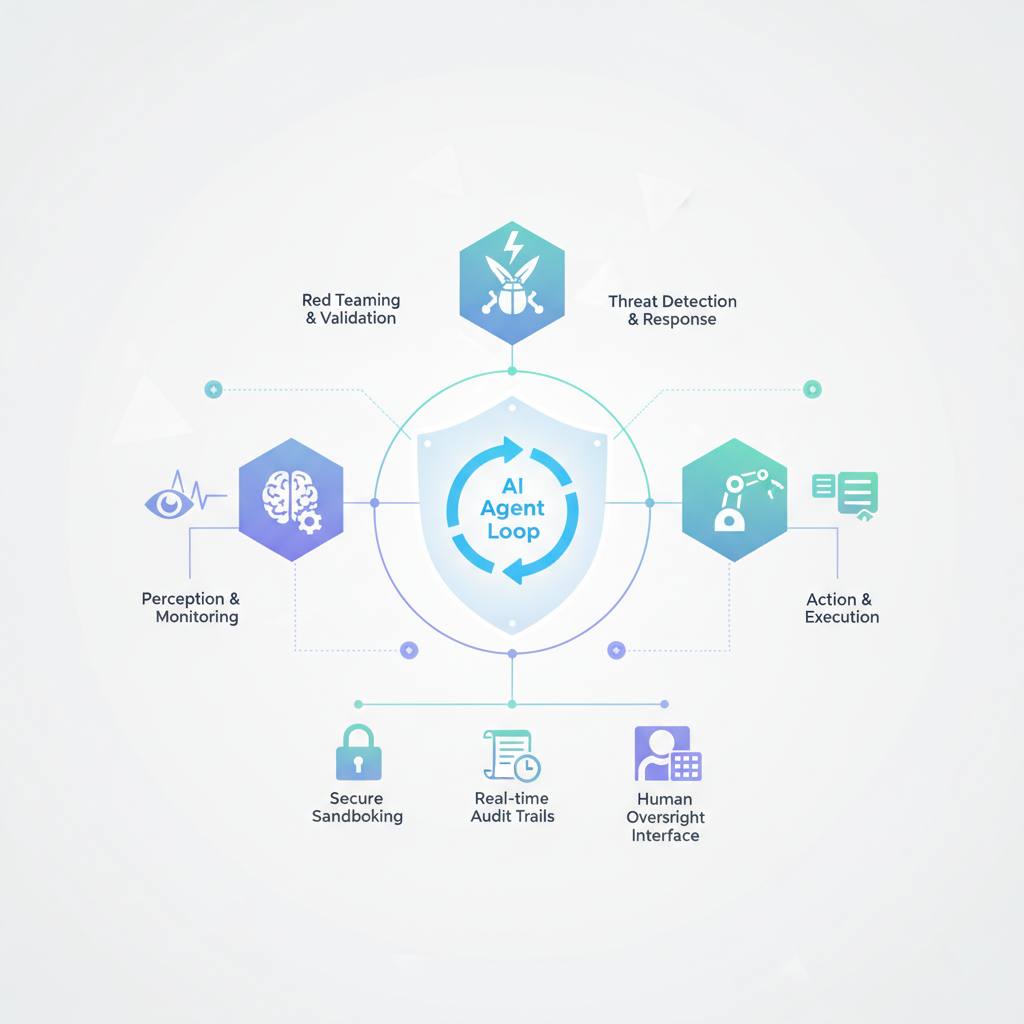
For these powerful loops to be truly useful and not risky, they need a robust and well-defined environment. This means isolated execution environments, like a secure sandbox, so the loop cannot interfere with other systems. They need clear boundaries for accessing your computer's file system and very specific, safe permissions for any tools they use. Each session should be reproducible and allow for reset and cleanup. Crucially, there must be points where a human can step in to review and approve actions, especially for sensitive tasks.
The more self-reliant an AI loop becomes, the more vital these runtime safeguards are. Simply having good tools isn't enough. The loop needs to understand «which» tools are available, «when» to use them, «what» permissions they grant, and «which» actions absolutely require human confirmation. The key difference between a helpful AI loop and a dangerous one often comes down to a well-thought-out permissions policy. For example, allowing an AI to read system logs is very different from letting it change live production settings. Drafting a reply is not the same as posting it publicly. Checking billing usage is vastly different from changing payment details. And running tests is far from merging code into the main project. Therefore, Loop Engineering transforms tool design into a critical exercise in policy design.
The core idea behind «Loop Engineering» is powerful: an AI agent can discover what needs to be done, execute a task, check if it worked, remember what it learned, and then plan the next step. You become the system's architect. While prompt quality, context, and good tool design remain crucial, the real challenge begins when these agents need to run repeatedly against your actual code, web browsers, APIs, files, or customer workflows.
Once an AI agent runs on its own multiple times, the biggest hurdle shifts to its underlying infrastructure. Important questions arise: Where does this loop execute? Which tools can it access? How does it manage its state? Who verifies its output? What stops it if it goes wrong? How can humans inspect its costs, actions, and failures? Without clear answers, an AI loop is merely a system hoping for the best, endlessly retrying without real oversight.
For these powerful loops to be truly useful and not risky, they need a robust and well-defined environment. This means isolated execution environments, like a secure sandbox, so the loop cannot interfere with other systems. They need clear boundaries for accessing your computer's file system and very specific, safe permissions for any tools they use. Each session should be reproducible and allow for reset and cleanup. Crucially, there must be points where a human can step in to review and approve actions, especially for sensitive tasks.
The more self-reliant an AI loop becomes, the more vital these runtime safeguards are. Simply having good tools isn't enough. The loop needs to understand «which» tools are available, «when» to use them, «what» permissions they grant, and «which» actions absolutely require human confirmation. The key difference between a helpful AI loop and a dangerous one often comes down to a well-thought-out permissions policy. For example, allowing an AI to read system logs is very different from letting it change live production settings. Drafting a reply is not the same as posting it publicly. Checking billing usage is vastly different from changing payment details. And running tests is far from merging code into the main project. Therefore, Loop Engineering transforms tool design into a critical exercise in policy design.