Advanced AI models like ChatGPT are evolving into 'agents' that can operate their own virtual computers to perform tasks. This educational post explains how these AI assistants work safely within an isolated digital environment and how you maintain control.
You might have heard recently that advanced AI, like ChatGPT, can now act like a digital assistant, even operating its own virtual computer. This might sound like something out of a science fiction movie, but it's actually a straightforward concept designed to make AI more helpful in our daily lives.
Imagine you have a super-smart assistant who can browse the internet, type commands, and even open programs on a computer, all by itself. This is essentially what an 'AI agent' is doing. It's an AI program designed not just to answer questions, but to take actions and perform specific tasks in the digital world.
But what does it mean for an AI to have its 'own computer'? It's not a physical computer you can touch on your desk. Instead, it's a secure, completely isolated virtual space, like a sandbox, where the AI can experiment and work without affecting your main computer or your personal data. Inside this safe environment, it has its own web browser (it can see and interact with websites like a human, or just read text), as well as a 'terminal'—a window where it can type programming commands, much like developers do to instruct a computer.
When you give it a task, such as 'Find the top five Italian restaurants in my city and book a table at one,' the AI agent uses these tools within its isolated environment. It will 'open' its virtual browser, search for information, and then interact with booking websites. But crucial to this is safety and control: before taking any significant or consequential action, like making a purchase or sending an email, the agent will pause and ask for your explicit permission. If it encounters a password-protected site, it waits for *you* to step in and type it yourself, ensuring your sensitive information remains secure. You can also 'watch' it work or take over control anytime you need to.
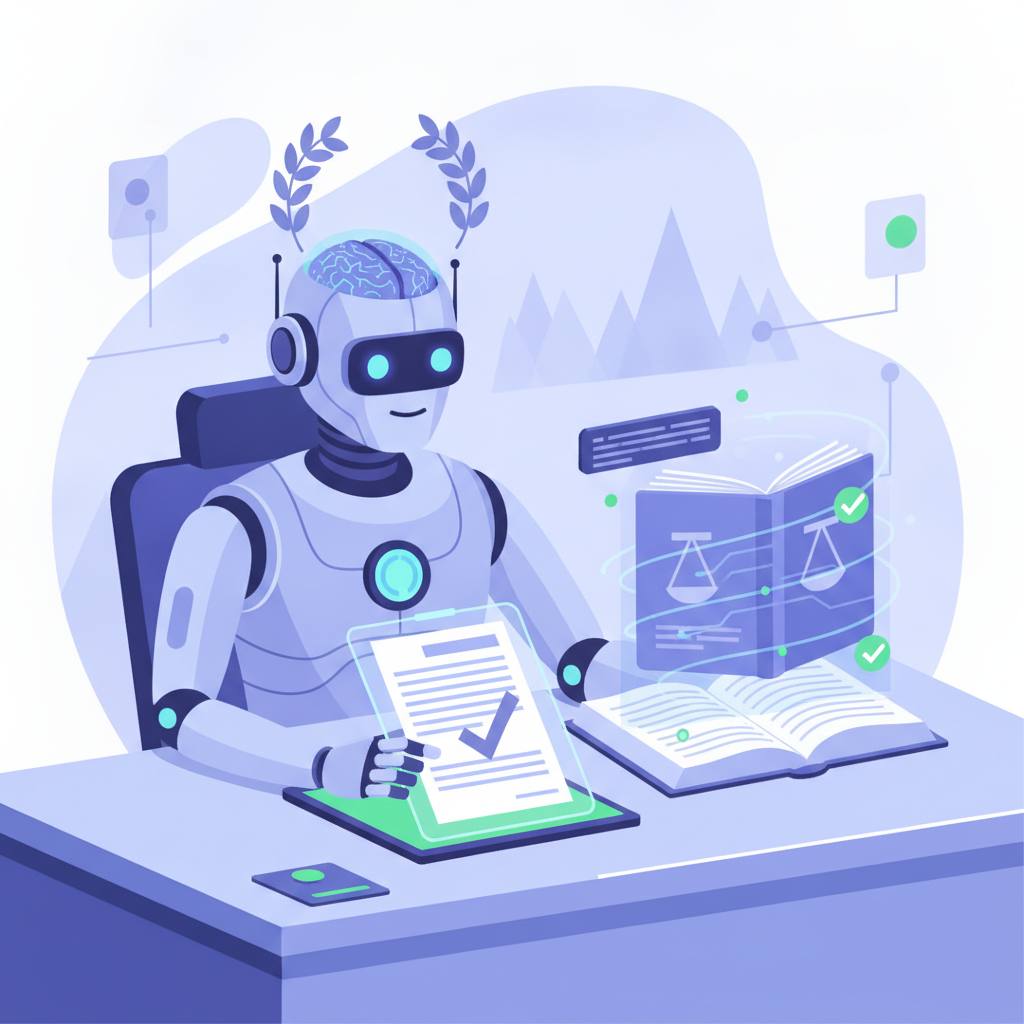
Think of it like a highly skilled digital intern who has their own dedicated workspace and tools. They can perform many tasks independently, but for anything important or sensitive, they'll always check with you first. This ensures you're always in charge, and the AI operates within safe and effective boundaries, freeing up your time and effort.
Imagine you have a super-smart assistant who can browse the internet, type commands, and even open programs on a computer, all by itself. This is essentially what an 'AI agent' is doing. It's an AI program designed not just to answer questions, but to take actions and perform specific tasks in the digital world.
But what does it mean for an AI to have its 'own computer'? It's not a physical computer you can touch on your desk. Instead, it's a secure, completely isolated virtual space, like a sandbox, where the AI can experiment and work without affecting your main computer or your personal data. Inside this safe environment, it has its own web browser (it can see and interact with websites like a human, or just read text), as well as a 'terminal'—a window where it can type programming commands, much like developers do to instruct a computer.
When you give it a task, such as 'Find the top five Italian restaurants in my city and book a table at one,' the AI agent uses these tools within its isolated environment. It will 'open' its virtual browser, search for information, and then interact with booking websites. But crucial to this is safety and control: before taking any significant or consequential action, like making a purchase or sending an email, the agent will pause and ask for your explicit permission. If it encounters a password-protected site, it waits for *you* to step in and type it yourself, ensuring your sensitive information remains secure. You can also 'watch' it work or take over control anytime you need to.
Think of it like a highly skilled digital intern who has their own dedicated workspace and tools. They can perform many tasks independently, but for anything important or sensitive, they'll always check with you first. This ensures you're always in charge, and the AI operates within safe and effective boundaries, freeing up your time and effort.