A new comprehensive guide makes mastering JavaScript easier, covering everything from variables and data types to advanced topics like promises and DOM events in one place. This means you can quickly grasp core concepts and apply them directly to your coding projects.
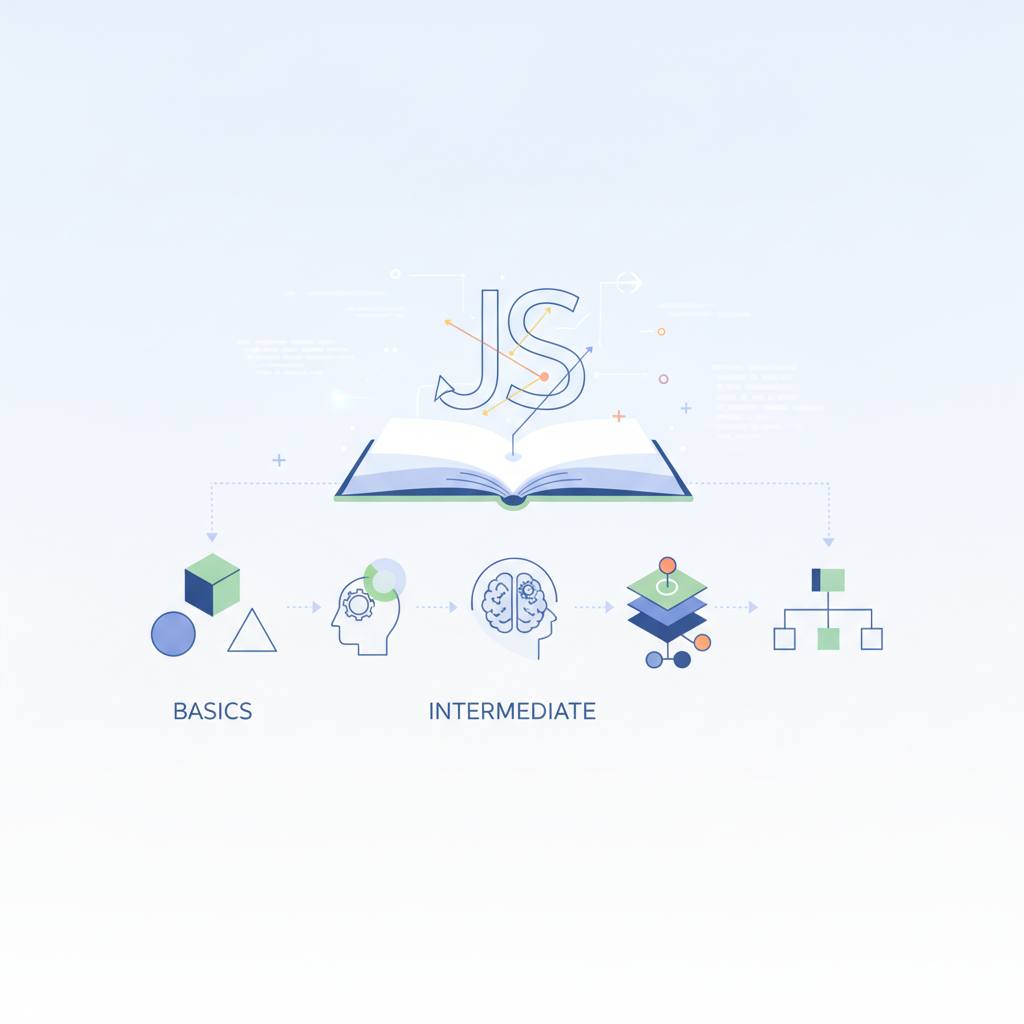
JavaScript often feels like a giant puzzle with countless pieces, but a new guide is here to simplify it all, bringing the most important topics together in one clear resource. What this means for you is that you can finally tackle those crucial JavaScript concepts, from the ground up to an intermediate level, without feeling overwhelmed.
This guide clarifies fundamental concepts like variables, explaining the modern best practices for 'let' and 'const' (use 'const' by default for safety, 'let' when values change, and avoid the older 'var'). Understanding these distinctions is key to writing cleaner, more predictable code that avoids common pitfalls. It also dives into data types, differentiating between primitive types (like numbers and strings, stored on the stack) and non-primitive types (like objects and arrays, stored on the heap with variables holding references). Crucially, it touches on memory management, offering practical advice like removing unused event listeners to prevent memory leaks, helping you write more efficient and robust applications.
Beyond the basics, the resource covers essential functions, including arrow functions, constructor functions, and the often-tricky 'this' keyword, demystifying how they work. You'll also explore vital array methods like 'forEach', 'map', 'filter', and 'find', which are daily tools for any JavaScript developer. These methods help you manipulate data efficiently, transforming complex tasks into simple, readable lines of code. Each section in the guide comes with short explanations and small, practical examples, making the learning process fast and ensuring you can apply these skills directly to your real-world projects. This truly is a one-stop shop to confidently bridge the gap from a JavaScript beginner to an intermediate developer.
This guide clarifies fundamental concepts like variables, explaining the modern best practices for 'let' and 'const' (use 'const' by default for safety, 'let' when values change, and avoid the older 'var'). Understanding these distinctions is key to writing cleaner, more predictable code that avoids common pitfalls. It also dives into data types, differentiating between primitive types (like numbers and strings, stored on the stack) and non-primitive types (like objects and arrays, stored on the heap with variables holding references). Crucially, it touches on memory management, offering practical advice like removing unused event listeners to prevent memory leaks, helping you write more efficient and robust applications.
Beyond the basics, the resource covers essential functions, including arrow functions, constructor functions, and the often-tricky 'this' keyword, demystifying how they work. You'll also explore vital array methods like 'forEach', 'map', 'filter', and 'find', which are daily tools for any JavaScript developer. These methods help you manipulate data efficiently, transforming complex tasks into simple, readable lines of code. Each section in the guide comes with short explanations and small, practical examples, making the learning process fast and ensuring you can apply these skills directly to your real-world projects. This truly is a one-stop shop to confidently bridge the gap from a JavaScript beginner to an intermediate developer.