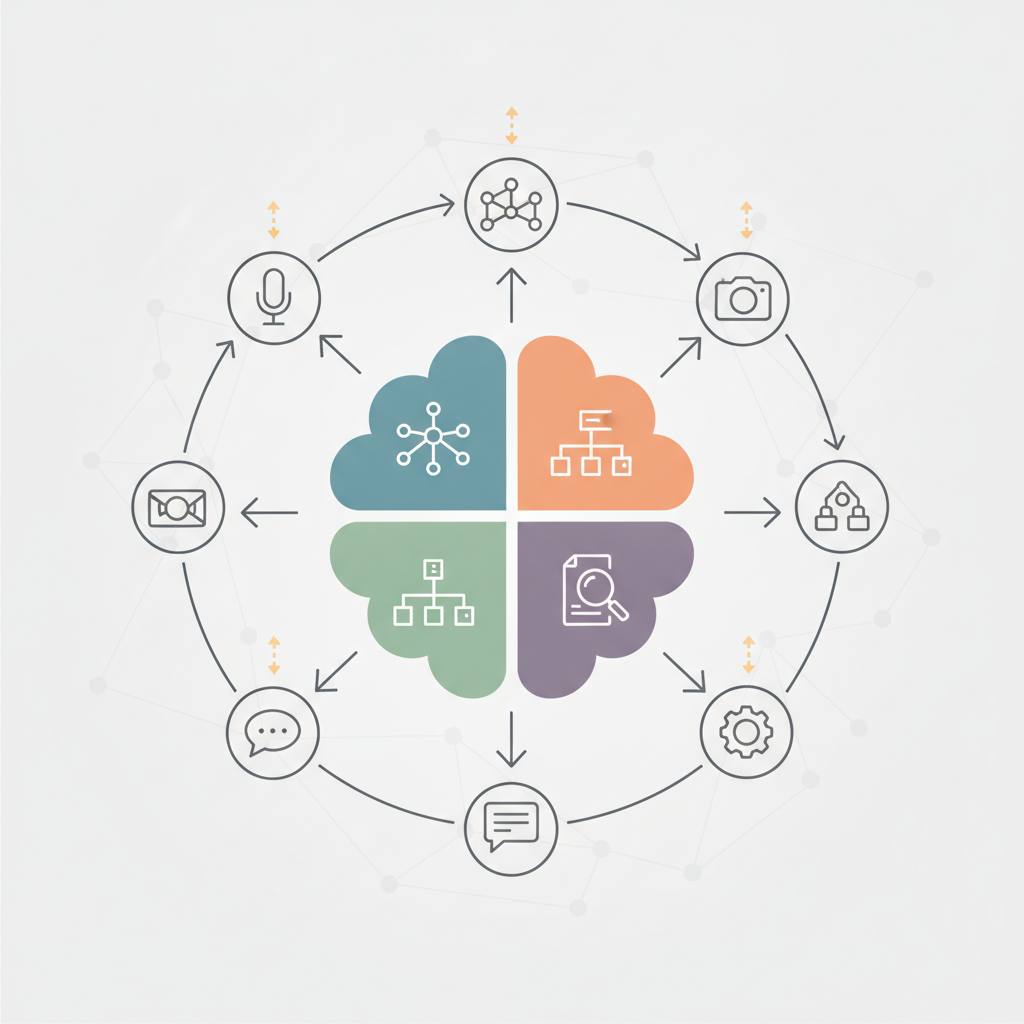
As AI models become increasingly powerful, the question is no longer about how smart the model is, but rather how effectively and securely its use is managed. Governance refers to the set of rules and processes that ensure trust and accountability in AI systems.
Every day, we hear about new, smarter, and more powerful AI models. Everyone asks: Is it faster? Is it cheaper? Can it write better code? These are important questions, but today's experts are telling us we might be focusing on the wrong thing. Imagine you have the smartest calculator in the world, but you have no clear rules about who uses it, how its answers are checked, or who is responsible if something goes wrong. Can you truly trust its results? This is where a core concept called «AI governance» comes in. Simply put, governance is the set of rules, processes, and responsibilities we establish around how we use AI models within any organization. It's no longer just about how smart the model is, because many companies are now producing excellent models with similar capabilities. The real differentiator has become how effectively and securely these models are managed. Think of building a house. The smart AI model is like the modern equipment and high-quality raw materials. But without an architect to draw the plans, workers who know their roles, and an inspector to ensure standards are met, the project can fail regardless of the material quality. This is the role of governance. It answers crucial questions like: Who owns the prompts given to the model? Who approves changes? How do we ensure the data the model uses is trustworthy? How do we validate the accuracy of the results it provides? And how can we audit the decisions made by the AI? Without strong governance, even the best AI models can fail to deliver real value. When these rules are clear, companies can build trust in their AI systems, ensure they operate responsibly and ethically, and achieve their objectives effectively. This is what makes the real difference today.