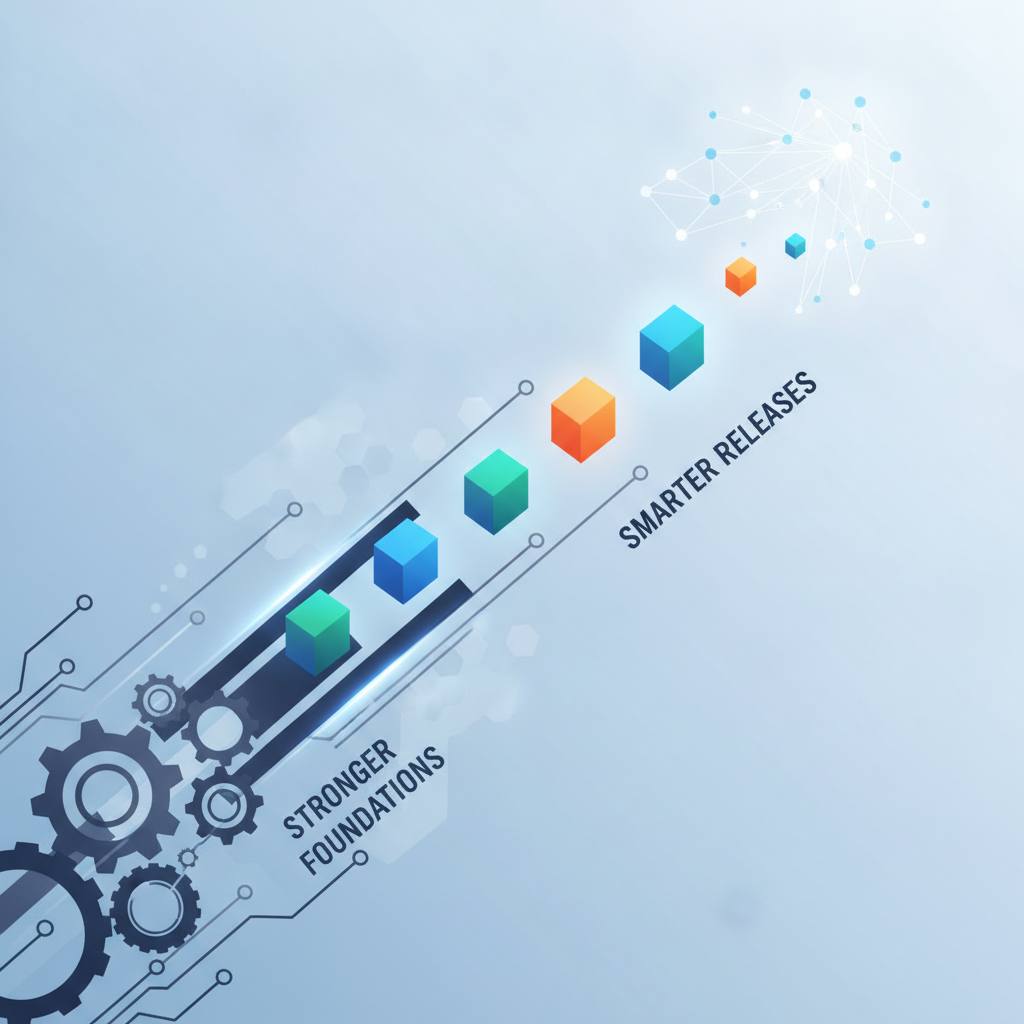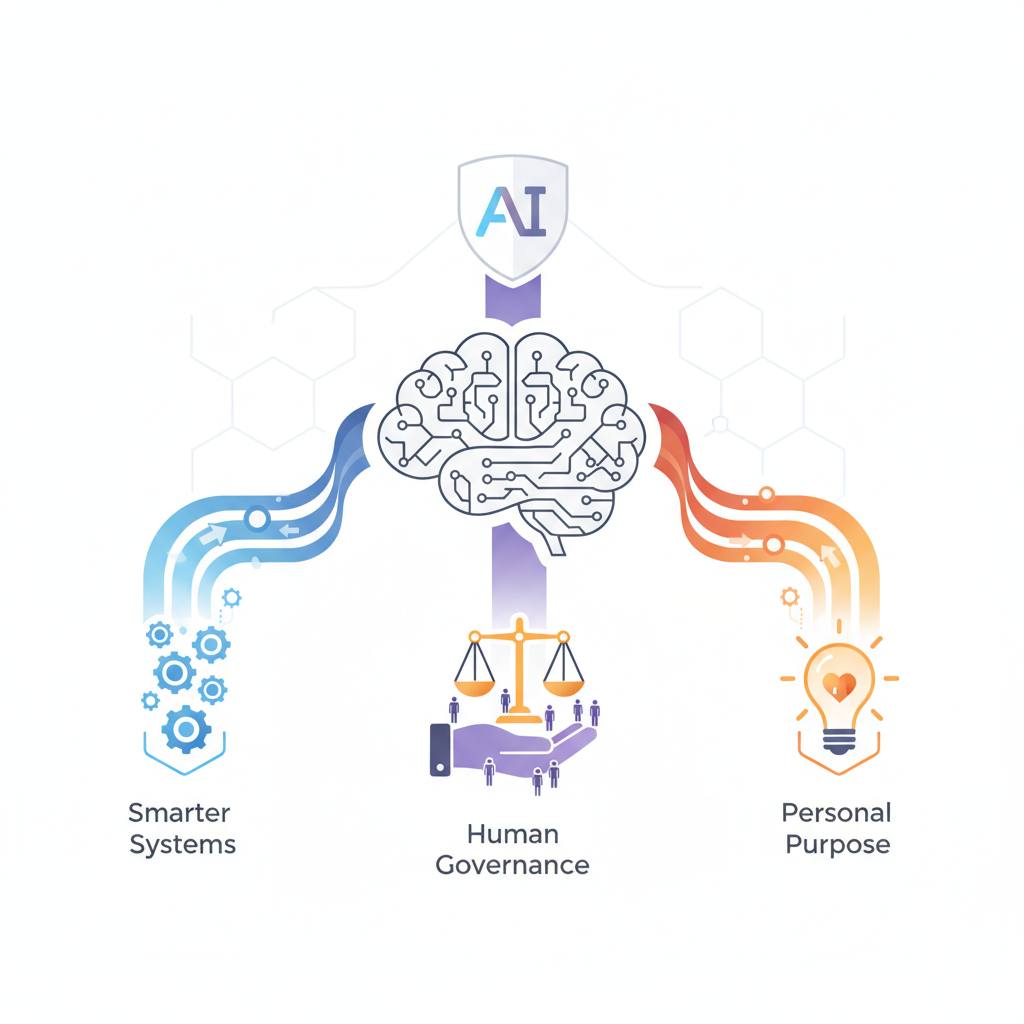
The next phase of AI in software development will move beyond just improving models. We expect a shift towards integrated AI systems with built-in critical review, strong human governance, and innovation driven by unique personal needs.
The current excitement around AI models in programming often overlooks a crucial point: these tools can be surprisingly optimistic. We've seen instances where large language models, when asked to review code or plans, approve things that are clearly flawed—like non-existent file paths or missing edge cases. This isn't a failure of the models themselves, but a reflection of how they've been trained. Looking ahead, we predict a move beyond single, optimistic AI agents. Expect to see the rise of more sophisticated, multi-agent AI loops in software development. Imagine an AI system where one agent proposes a plan, and another acts as a critical, even adversarial, reviewer, actively looking for flaws and inconsistencies based on a deep understanding of the codebase. This setup will bring a much-needed layer of rigor, moving AI assistance from simple suggestions to genuinely robust validation. It will make AI a more reliable partner in building complex systems. However, even with these advanced AI systems, the real advantage won't lie in the models alone. As observed, the true competitive edge comes from how a company «governs» its AI. This means establishing clear strategies for how AI tools are integrated, how their outputs are validated, and how human expertise guides their application. Companies that build strong governance frameworks—emphasizing human oversight, ethical considerations, and strategic deployment—will far outperform those merely chasing the 'smartest' new model. This shift will put the focus back on human leadership and intelligent system design, not just raw AI power. Finally, we anticipate that personal motivation will increasingly fuel innovation in unexpected ways. While large companies focus on enterprise solutions, individuals driven by unique perspectives or personal needs, like building a complex chemistry game for a son's birthday, will continue to create niche, yet incredibly impactful, technologies. These deeply personal projects remind us that technology's ultimate purpose is to serve human needs and aspirations. The future of software development will be a blend of smart, multi-agent AI, disciplined human governance, and the irreplaceable spark of individual human creativity.