Developers have found a new way to make AI-powered trading systems understand hidden risks in Large Language Model (LLM) decisions, offering better protection against unexpected losses and making AI a wiser advisor.
An AI trading system just saved an investment portfolio from a huge loss by «reading» what Large Language Models (LLMs) didn't explicitly say. This means smart systems are no longer just following direct instructions; they're starting to understand the hidden intentions and hesitations of AI, offering greater protection for your money in the volatile world of trading.
Imagine an AI-driven trading system was milliseconds away from executing a big buy order in the crypto market. The Large Language Model (LLM) had given a clear 'PROCEED' decision. Traditionally, that's a green light for the trade. But the system did something unexpected: it blocked the entry entirely. Minutes later, the market violently reversed, saving the portfolio from a severe drawdown.
Why did the system act this way? Simply put, the developers stopped just listening to what the LLM *said* and started listening to what it *meant*. They learned to decode the LLM's 'subconscious.'
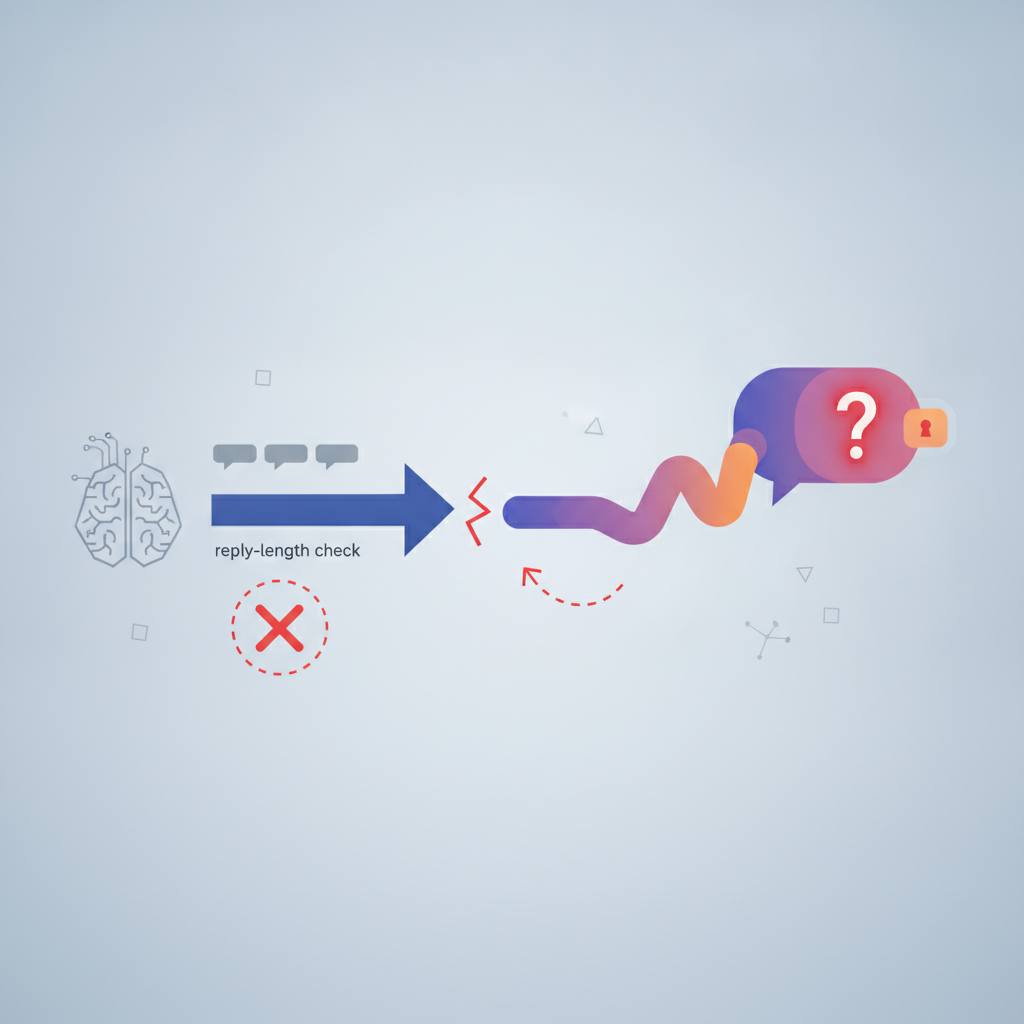
In AI-driven crypto trading, LLMs are incredibly useful for processing vast amounts of unstructured data, like market sentiment and blockchain narratives. Typically, they're prompted to output structured trading decisions. The problem is, these models can output highly confident decisions while still harboring hidden hesitations or risk signals. The trading system was treating the LLM as a perfect calculator, ignoring its nuanced, probabilistic reasoning. When an LLM is forced to output a definitive JSON like `{"action": "BUY", "confidence": 0.85}`, the execution layer sees that 85% confidence as absolute certainty, whether the trade is a golden opportunity or a risky momentum chase.
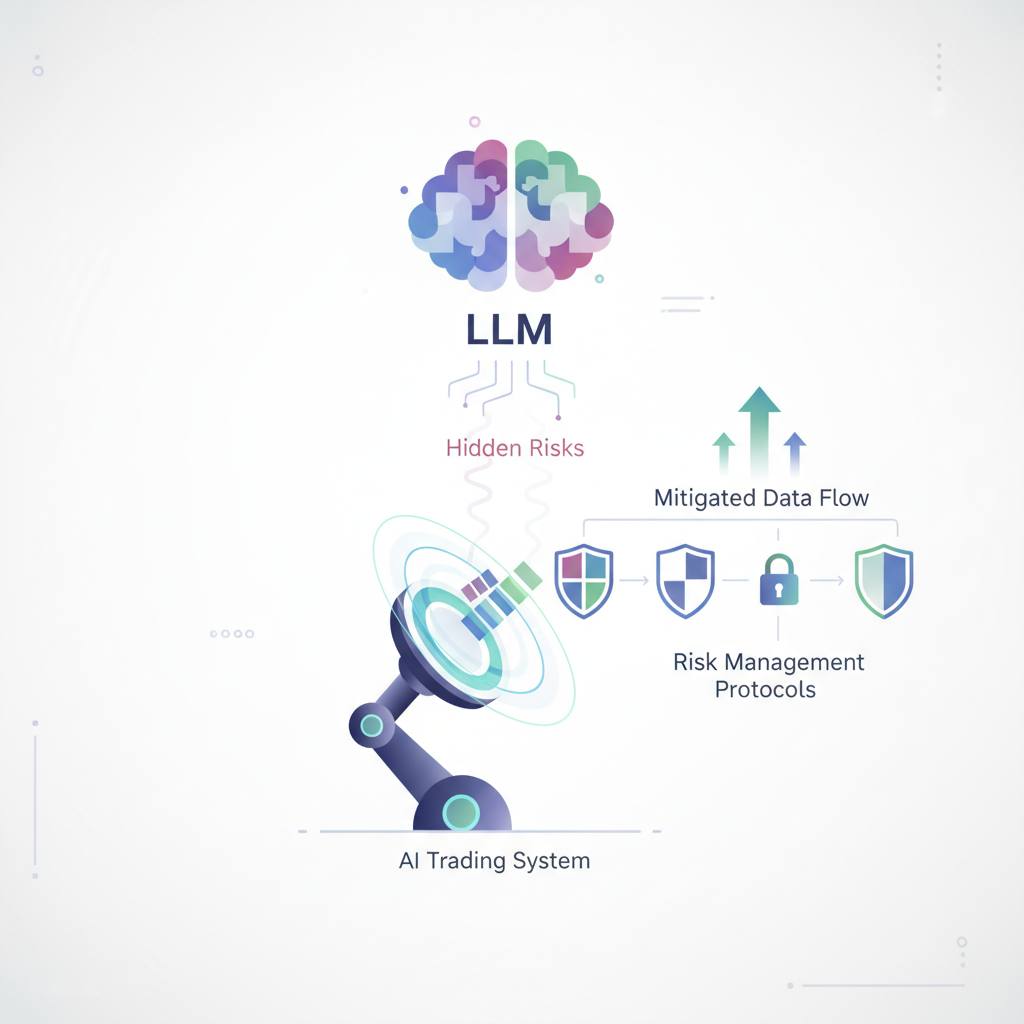
The new solution goes beyond simply reading the final output. Instead of fully accepting the LLM's explicit decision, the system now analyzes the underlying semantic meaning behind its response. This allows it to detect unspoken 'worries' or 'hesitations' in the model's reasoning. Based on this deeper understanding, the system can then reduce the position size, tighten the stop-loss, or even completely block the trade, even if the LLM had given an explicit 'proceed' signal.
This development means AI trading systems are becoming smarter and safer. They're no longer just following instructions literally; they're capable of understanding context and implicit risks. This provides an extra layer of protection, helping to avoid significant losses that might arise from the apparent overconfidence of AI decisions. It's a big step towards making AI a wiser, more cautious partner in trading decisions.
Imagine an AI-driven trading system was milliseconds away from executing a big buy order in the crypto market. The Large Language Model (LLM) had given a clear 'PROCEED' decision. Traditionally, that's a green light for the trade. But the system did something unexpected: it blocked the entry entirely. Minutes later, the market violently reversed, saving the portfolio from a severe drawdown.
Why did the system act this way? Simply put, the developers stopped just listening to what the LLM *said* and started listening to what it *meant*. They learned to decode the LLM's 'subconscious.'
In AI-driven crypto trading, LLMs are incredibly useful for processing vast amounts of unstructured data, like market sentiment and blockchain narratives. Typically, they're prompted to output structured trading decisions. The problem is, these models can output highly confident decisions while still harboring hidden hesitations or risk signals. The trading system was treating the LLM as a perfect calculator, ignoring its nuanced, probabilistic reasoning. When an LLM is forced to output a definitive JSON like `{"action": "BUY", "confidence": 0.85}`, the execution layer sees that 85% confidence as absolute certainty, whether the trade is a golden opportunity or a risky momentum chase.
The new solution goes beyond simply reading the final output. Instead of fully accepting the LLM's explicit decision, the system now analyzes the underlying semantic meaning behind its response. This allows it to detect unspoken 'worries' or 'hesitations' in the model's reasoning. Based on this deeper understanding, the system can then reduce the position size, tighten the stop-loss, or even completely block the trade, even if the LLM had given an explicit 'proceed' signal.
This development means AI trading systems are becoming smarter and safer. They're no longer just following instructions literally; they're capable of understanding context and implicit risks. This provides an extra layer of protection, helping to avoid significant losses that might arise from the apparent overconfidence of AI decisions. It's a big step towards making AI a wiser, more cautious partner in trading decisions.