When starting new software projects, developers often repeat the same initial setup tasks. A 'boilerplate' acts as a pre-built starter kit, saving time and ensuring quality by providing a solid foundation from day one.
Every serious software project, like building a house or baking a complex cake, requires a solid foundation before you even begin the unique parts. Imagine having to lay the groundwork, set up the plumbing, and wire the electricity for a new house every single time you wanted to build a different design. Or, in the kitchen, having to gather, measure, and prepare *all* your basic ingredients—flour, sugar, eggs, butter—from scratch every time you bake something new. It’s tedious, time-consuming, and frankly, a bit wasteful.
This exact challenge is what our WondTech news hook highlights today. A developer, tired of repeating the same foundational setup for every new Next.js project—things like user authentication, layouts, testing, and security—decided to build a 'boilerplate'. So, what exactly is a boilerplate in programming?
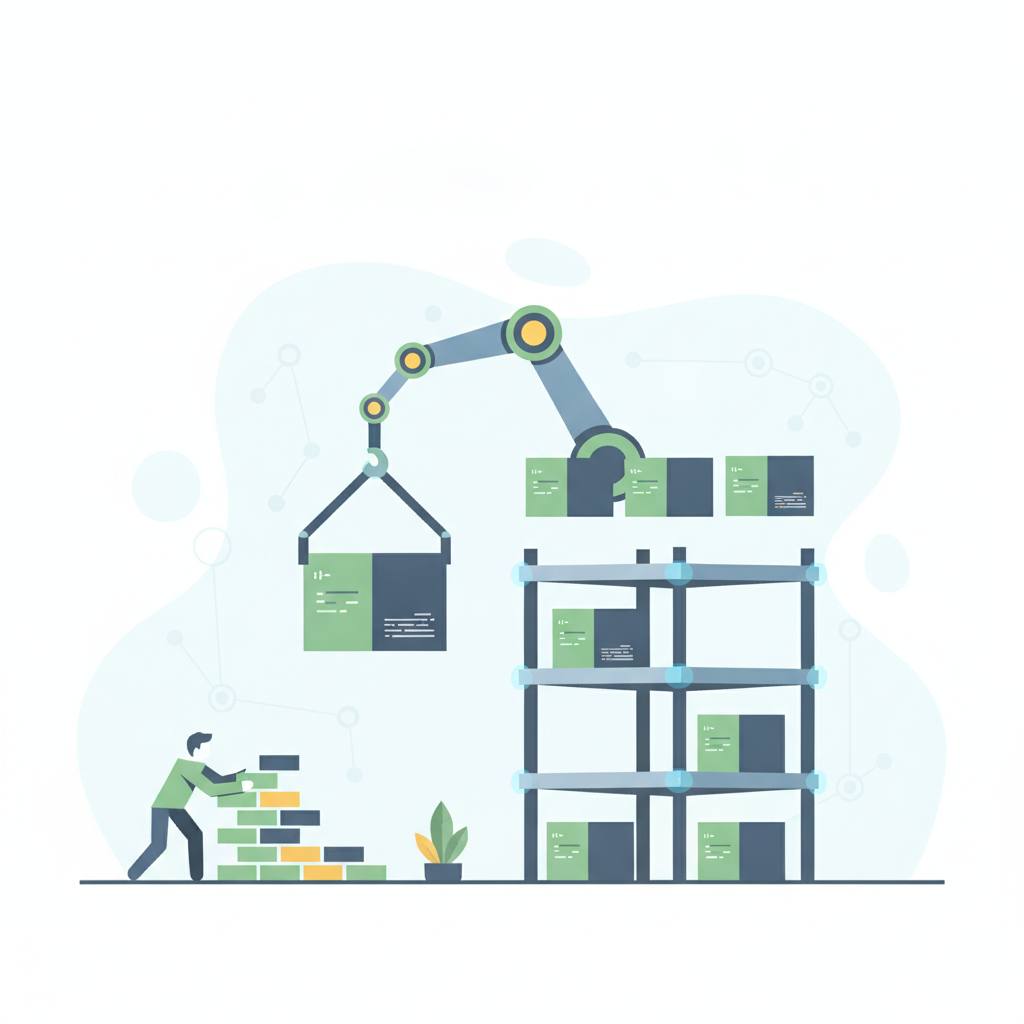
Think of a boilerplate as a pre-packaged starter kit or a well-designed blueprint for a new software project. It includes all the common, essential parts that aren't specific to your unique idea, but are crucial for *any* serious application. For instance, most web applications need a way for users to log in, a consistent way to display pages (layouts), and mechanisms to ensure data is secure. These aren’t the exciting, unique features that make your app special, but they *have* to be there.
By using a boilerplate, developers gain several key advantages:
1. **Time-Saving**: You don't have to build the same basic structures repeatedly. The developer in our news story spent months perfecting their Next.js boilerplate so others wouldn't have to.
2. **Quality and Best Practices**: Boilerplates often integrate industry-standard best practices right from the start. It's like getting a recipe that’s already optimized for success.
3. **Consistency**: All projects built using the same boilerplate will share a similar, reliable foundation, making them easier to maintain and understand.
4. **Focus on Innovation**: Instead of spending weeks on setup, developers can immediately jump into creating the unique, problem-solving features that make their product stand out.
So, when you hear about a developer creating a 'boilerplate', understand that they're not just writing code; they're crafting a super-efficient launchpad for future innovation. It's about building smarter, not just harder, allowing creators to bring their unique ideas to life faster and more reliably.
This exact challenge is what our WondTech news hook highlights today. A developer, tired of repeating the same foundational setup for every new Next.js project—things like user authentication, layouts, testing, and security—decided to build a 'boilerplate'. So, what exactly is a boilerplate in programming?
Think of a boilerplate as a pre-packaged starter kit or a well-designed blueprint for a new software project. It includes all the common, essential parts that aren't specific to your unique idea, but are crucial for *any* serious application. For instance, most web applications need a way for users to log in, a consistent way to display pages (layouts), and mechanisms to ensure data is secure. These aren’t the exciting, unique features that make your app special, but they *have* to be there.
By using a boilerplate, developers gain several key advantages:
1. **Time-Saving**: You don't have to build the same basic structures repeatedly. The developer in our news story spent months perfecting their Next.js boilerplate so others wouldn't have to.
2. **Quality and Best Practices**: Boilerplates often integrate industry-standard best practices right from the start. It's like getting a recipe that’s already optimized for success.
3. **Consistency**: All projects built using the same boilerplate will share a similar, reliable foundation, making them easier to maintain and understand.
4. **Focus on Innovation**: Instead of spending weeks on setup, developers can immediately jump into creating the unique, problem-solving features that make their product stand out.
So, when you hear about a developer creating a 'boilerplate', understand that they're not just writing code; they're crafting a super-efficient launchpad for future innovation. It's about building smarter, not just harder, allowing creators to bring their unique ideas to life faster and more reliably.