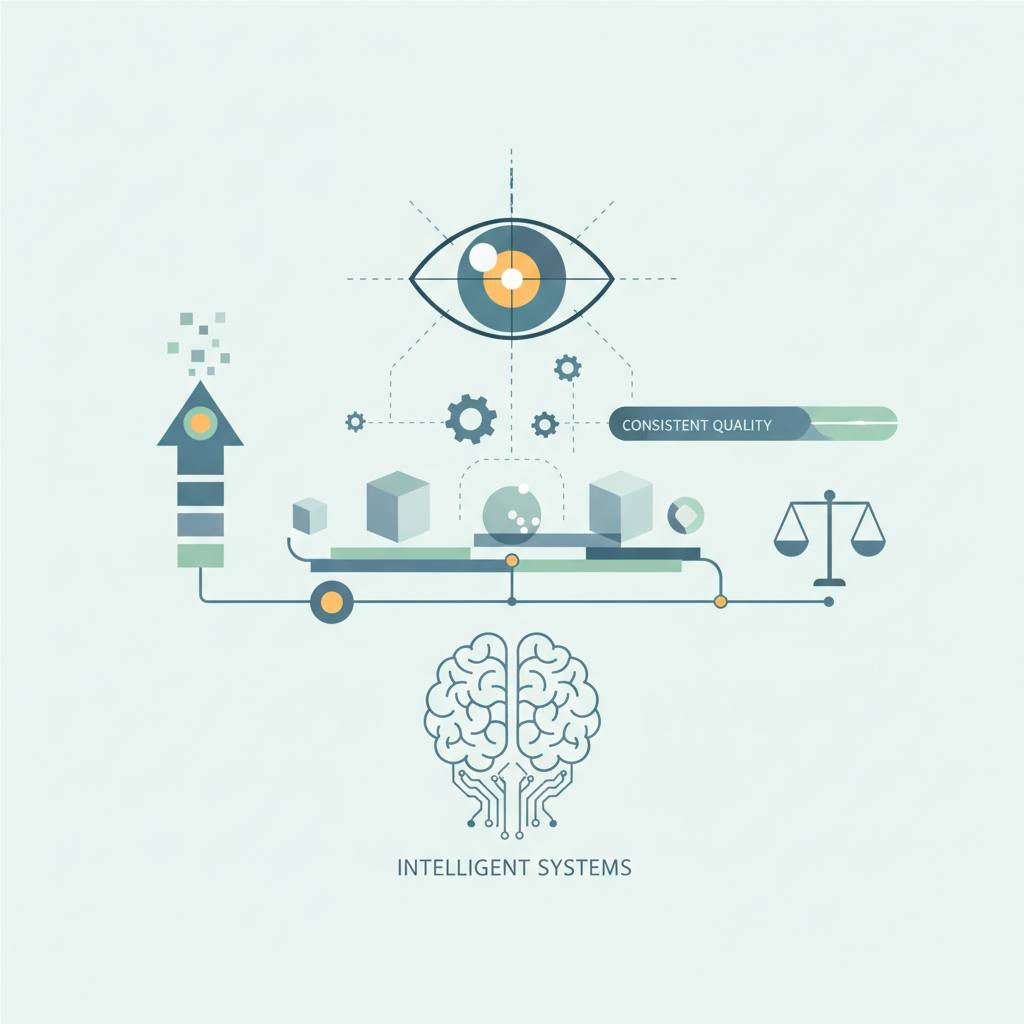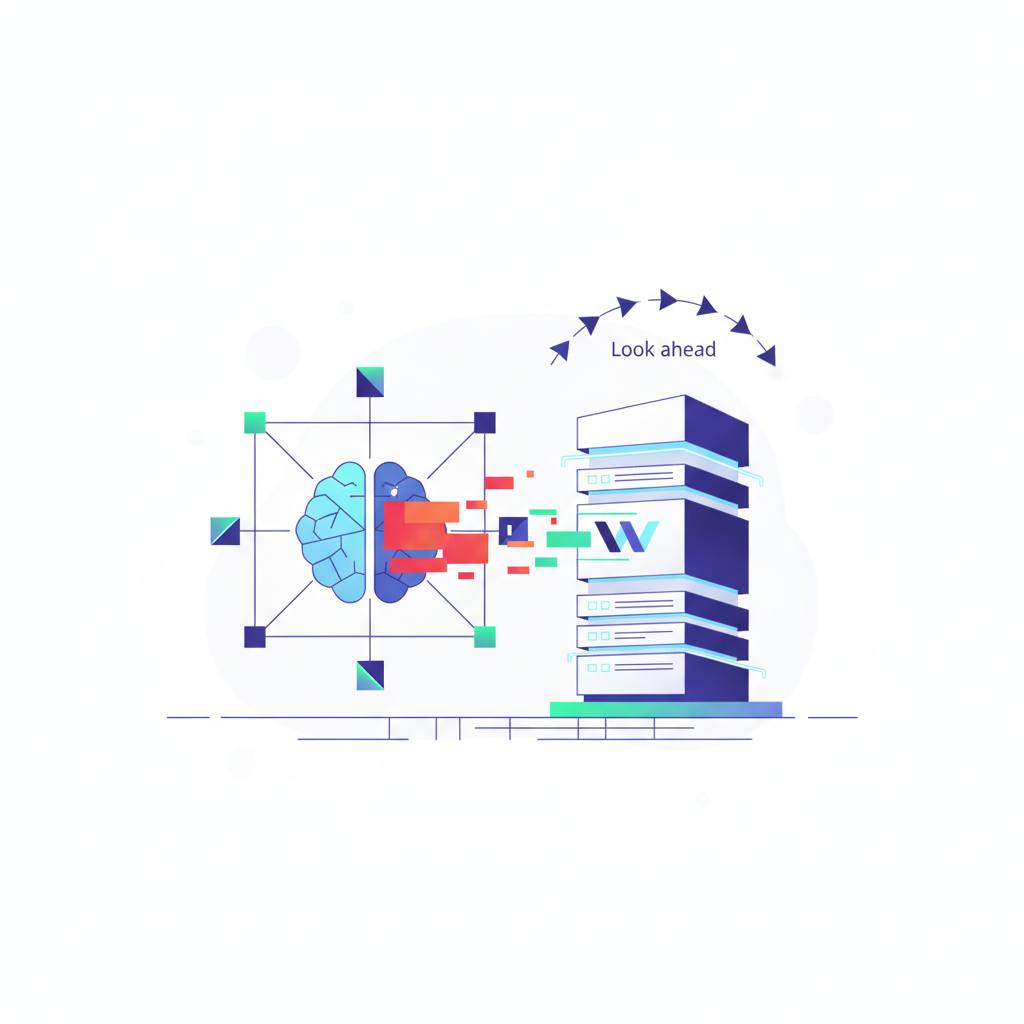
We anticipate AI applications will face increasing regulatory and quality challenges, compelling developers to adopt more robust backend architectures and embrace frameworks that clearly define risk.
The future of technology is being shaped now, and recent developments reveal crucial trends. The stagnation of a project like Grokipedia, which aimed to elevate AI-generated content, demonstrates that achieving high, sustained quality in AI-created material remains a significant challenge. Its failure to update for months underscores that simply building systems isn't enough; maintaining and enriching them requires substantial human oversight. This hurdle will make companies carefully consider how to ensure the accuracy and reliability of AI outputs, potentially pushing them towards focusing on niche applications or integrating more stringent human review mechanisms.
Concurrently, the EU AI Act is reshaping the regulatory landscape by classifying AI systems into four risk levels. This approach means developers and enterprises will need to integrate risk assessment into the very core of their development lifecycles. Regulatory compliance will not be a mere add-on but an integral part of product strategy, influencing the pace of innovation in high-risk areas. We may see the emergence of specialized software solutions and consulting services to help companies navigate these complex regulations, with a strong emphasis on transparency and accountability.
These challenges are compounded by the architectural complexities of modern software. Issues arising when web applications shell out to slow command-line interface (CLI) tools highlight the need for robust backend infrastructure. Inconsistent environment setups or task timeouts are real problems. These factors will accelerate the adoption of asynchronous design patterns, where long-running tasks are offloaded to queued jobs to ensure process continuity and application stability. Explicit environment management and providing robust mechanisms for handling external processes will become standard practices.
In conclusion, this landscape indicates that integrating AI into our applications demands more than just technical capability. It requires an embrace of quality, regulatory, and architectural challenges. Successful companies will focus on building resilient systems that are committed to transparency and ensure adequate oversight for long-term reliability.
Concurrently, the EU AI Act is reshaping the regulatory landscape by classifying AI systems into four risk levels. This approach means developers and enterprises will need to integrate risk assessment into the very core of their development lifecycles. Regulatory compliance will not be a mere add-on but an integral part of product strategy, influencing the pace of innovation in high-risk areas. We may see the emergence of specialized software solutions and consulting services to help companies navigate these complex regulations, with a strong emphasis on transparency and accountability.
These challenges are compounded by the architectural complexities of modern software. Issues arising when web applications shell out to slow command-line interface (CLI) tools highlight the need for robust backend infrastructure. Inconsistent environment setups or task timeouts are real problems. These factors will accelerate the adoption of asynchronous design patterns, where long-running tasks are offloaded to queued jobs to ensure process continuity and application stability. Explicit environment management and providing robust mechanisms for handling external processes will become standard practices.
In conclusion, this landscape indicates that integrating AI into our applications demands more than just technical capability. It requires an embrace of quality, regulatory, and architectural challenges. Successful companies will focus on building resilient systems that are committed to transparency and ensure adequate oversight for long-term reliability.