Many developers block AI training bots, but this doesn't stop their sites from appearing in LLM search answers. To ensure your Next.js content is cited by ChatGPT and similar AI search tools, you need to understand the difference between training crawlers and search index bots.
Hey WondTech readers! Ever blocked the 'GPTBot' from crawling your Next.js site, only to wonder why your great content never appears when someone asks ChatGPT a question? It’s a common mix-up, and we're here to clear it up.
The simple truth is, blocking bots meant for AI model training (like 'GPTBot') does not automatically block bots that help your site appear in search answers from tools like ChatGPT. These are two completely separate systems! OpenAI, Anthropic, and Perplexity all clearly state this.
Think of it this way: there are three main types of 'crawls' when it comes to LLMs and your website. First, there's the **training crawl**, where bots like 'GPTBot' collect public data to build future AI models. If you don't want your content used for this, blocking these bots is the right move.
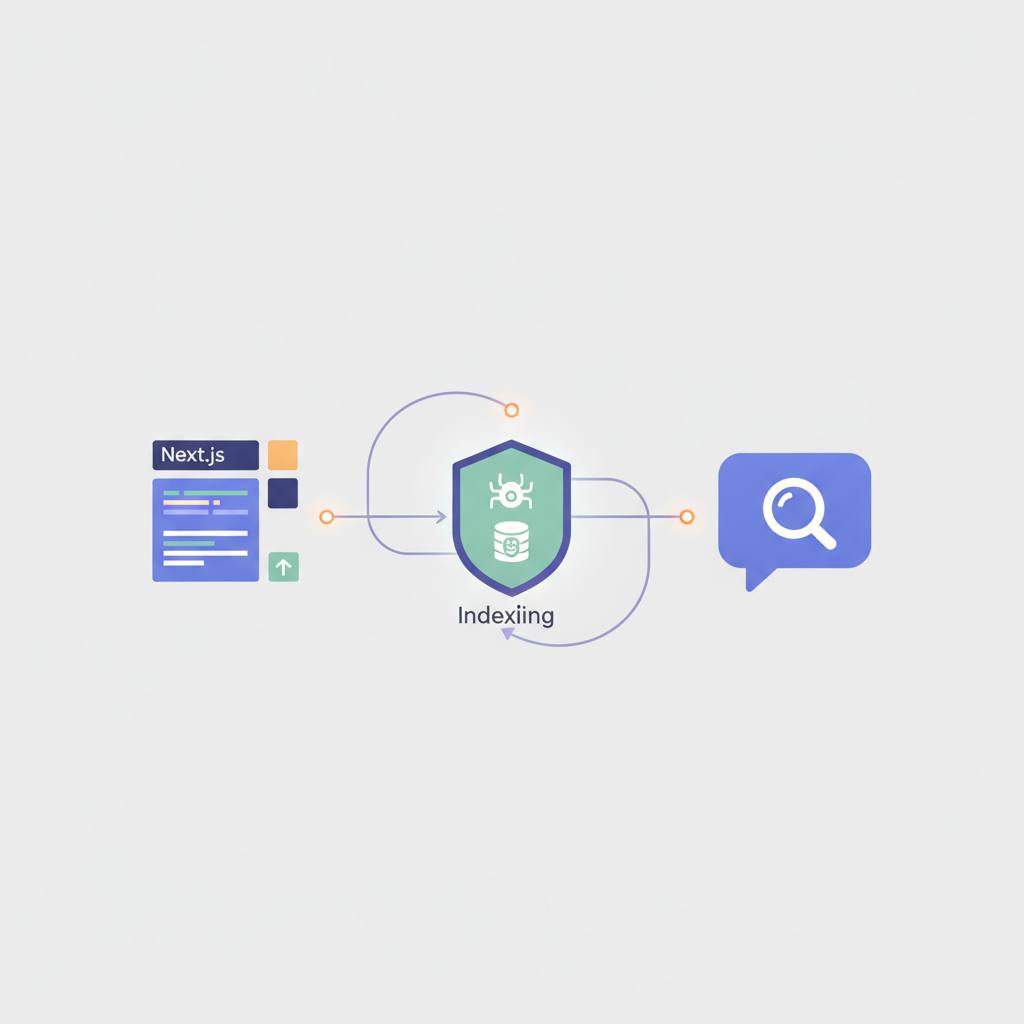
Second, we have the **search or answer index crawl**. This is where bots like 'OAI-SearchBot' (for ChatGPT) or 'Claude-SearchBot' come in. Their job is to build an index so that when a user asks a question, the LLM can cite your specific URLs in its answer. If you block these search bots, your site won't show up in those AI-powered search results, even if your content is perfectly relevant.
Finally, there's the **user-triggered fetch**. This happens when a human directly asks the LLM to fetch a specific URL, perhaps by pasting a link. Bots like 'ChatGPT-User' handle these direct requests.
So, what does this mean for your Next.js site? If you want your helpful articles, documentation, or product pages to be discoverable and cited in ChatGPT's search answers, you need to allow 'OAI-SearchBot' access. Disallowing 'GPTBot' for training is fine if that's your goal, but don't confuse it with keeping your site out of AI search indexes.
To manage this, focus on proper Generative Engine Optimization (GEO). Make sure your 'robots.txt' (or 'robots.ts' for Next.js) and sitemaps are correctly configured. Allow the specific search bots, and maintain good web indexing practices across the board. Don't worry too much about rumors regarding which partners ChatGPT uses; the key is to allow the official search crawlers recommended by OpenAI to ensure your content is eligible. Keeping your HTML crawlable is also vital. This way, your Next.js site stands a much better chance of being seen by the growing world of AI-powered search.
The simple truth is, blocking bots meant for AI model training (like 'GPTBot') does not automatically block bots that help your site appear in search answers from tools like ChatGPT. These are two completely separate systems! OpenAI, Anthropic, and Perplexity all clearly state this.
Think of it this way: there are three main types of 'crawls' when it comes to LLMs and your website. First, there's the **training crawl**, where bots like 'GPTBot' collect public data to build future AI models. If you don't want your content used for this, blocking these bots is the right move.
Second, we have the **search or answer index crawl**. This is where bots like 'OAI-SearchBot' (for ChatGPT) or 'Claude-SearchBot' come in. Their job is to build an index so that when a user asks a question, the LLM can cite your specific URLs in its answer. If you block these search bots, your site won't show up in those AI-powered search results, even if your content is perfectly relevant.
Finally, there's the **user-triggered fetch**. This happens when a human directly asks the LLM to fetch a specific URL, perhaps by pasting a link. Bots like 'ChatGPT-User' handle these direct requests.
So, what does this mean for your Next.js site? If you want your helpful articles, documentation, or product pages to be discoverable and cited in ChatGPT's search answers, you need to allow 'OAI-SearchBot' access. Disallowing 'GPTBot' for training is fine if that's your goal, but don't confuse it with keeping your site out of AI search indexes.
To manage this, focus on proper Generative Engine Optimization (GEO). Make sure your 'robots.txt' (or 'robots.ts' for Next.js) and sitemaps are correctly configured. Allow the specific search bots, and maintain good web indexing practices across the board. Don't worry too much about rumors regarding which partners ChatGPT uses; the key is to allow the official search crawlers recommended by OpenAI to ensure your content is eligible. Keeping your HTML crawlable is also vital. This way, your Next.js site stands a much better chance of being seen by the growing world of AI-powered search.