AWS VPC lets you create your own private, isolated network within the AWS cloud, giving you full control over your resources' security and access.
Hey WondTech readers! Ever wondered how your sensitive data stays safe and separate in the vast AWS cloud? Well, today we're talking about AWS VPC, or Virtual Private Cloud, which is essentially your very own private network within AWS. This is huge because it gives you a dedicated, isolated space, making sure your applications and data are secure and completely under your control.
Think of AWS as a massive office building where thousands of companies rent space. Without VPC, everyone would technically be sharing the same open floor. But with VPC, it's like having your own private floor with locked doors. You get to decide who comes in and out, and what happens inside. No other company in the building can just walk onto your floor.
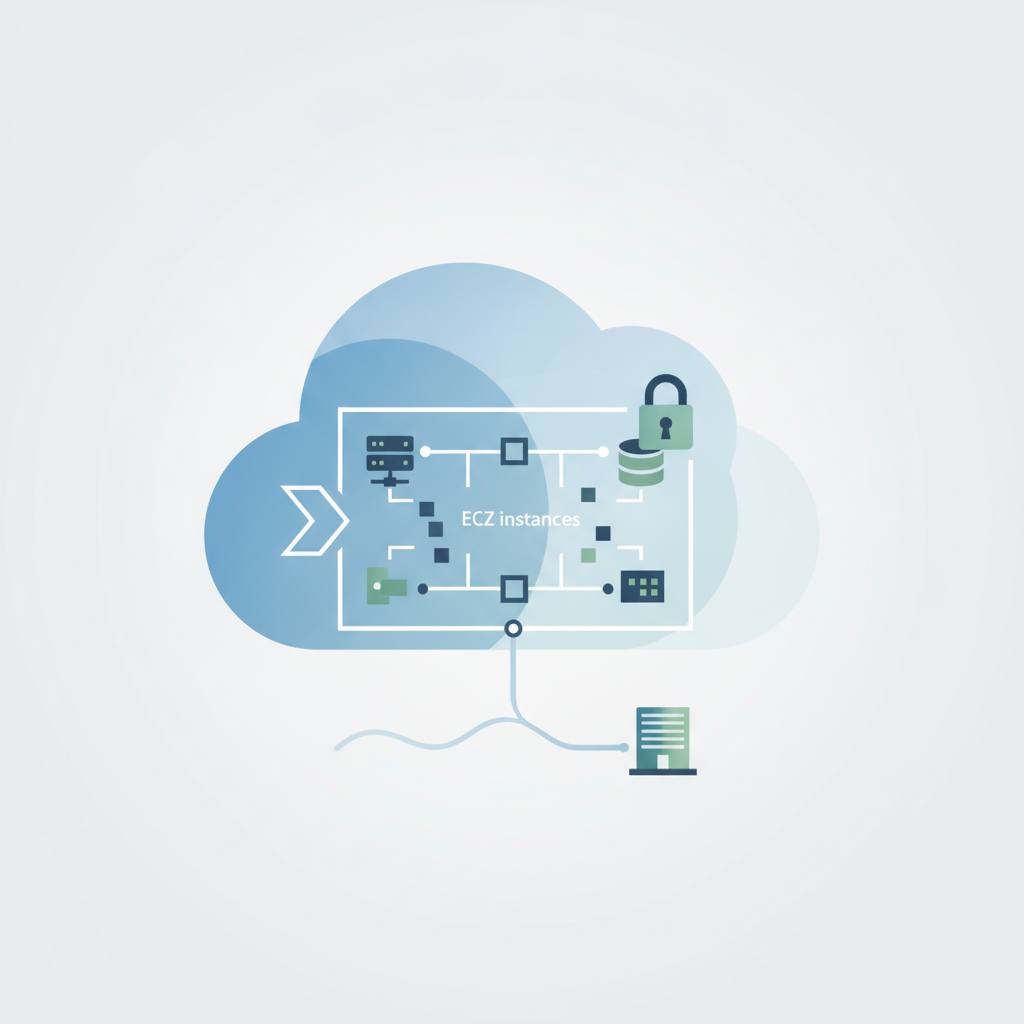
Inside your private VPC floor, you set up 'rooms' called subnets. Some rooms you might make 'public' for visitors (like a reception area for your website), and others 'private' for staff-only (where your sensitive databases live). To control traffic, you use things like Internet Gateways to connect public subnets to the internet, and Route Tables to direct where network traffic goes. For even tighter security, you have Security Groups, which are like bouncers for individual servers, checking who's allowed in or out. There are also NACLs (Network Access Control Lists), which act like a fire marshal for whole subnets, setting broader rules.
Getting your head around AWS VPC is truly foundational for anyone working with AWS. It’s the groundwork upon which everything else is built, ensuring that your cloud infrastructure is not just powerful, but also secure and private. It's how you carve out your own corner of the cloud, exactly as you need it.
Think of AWS as a massive office building where thousands of companies rent space. Without VPC, everyone would technically be sharing the same open floor. But with VPC, it's like having your own private floor with locked doors. You get to decide who comes in and out, and what happens inside. No other company in the building can just walk onto your floor.
Inside your private VPC floor, you set up 'rooms' called subnets. Some rooms you might make 'public' for visitors (like a reception area for your website), and others 'private' for staff-only (where your sensitive databases live). To control traffic, you use things like Internet Gateways to connect public subnets to the internet, and Route Tables to direct where network traffic goes. For even tighter security, you have Security Groups, which are like bouncers for individual servers, checking who's allowed in or out. There are also NACLs (Network Access Control Lists), which act like a fire marshal for whole subnets, setting broader rules.
Getting your head around AWS VPC is truly foundational for anyone working with AWS. It’s the groundwork upon which everything else is built, ensuring that your cloud infrastructure is not just powerful, but also secure and private. It's how you carve out your own corner of the cloud, exactly as you need it.