While there's no official Google Flights API, solutions exist that let you retrieve live flight prices and structured travel data as if there were.
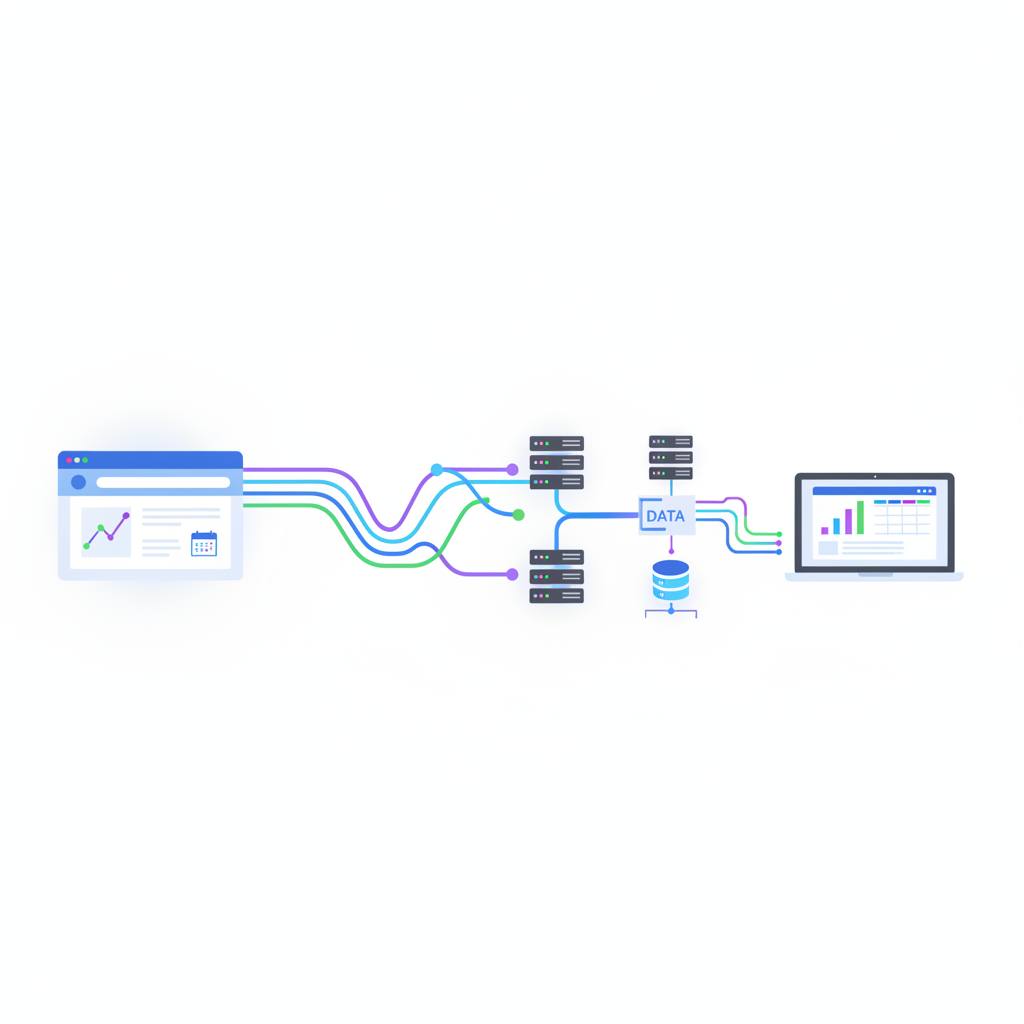
You might be surprised to learn there's no official Google Flights API available to developers, even looking ahead to 2026. This means getting live flight prices manually is a real struggle, indeed. Search URLs are complex and hide much of the query, and the pages heavily rely on JavaScript, which actively fights simple automated scripts trying to extract data. But don't worry, this doesn't mean you're out of luck when it comes to accessing this valuable and up-to-date information. So, what does this mean for you? Well, instead of the laborious manual searching or trying to build a complicated scraper yourself from scratch, you can now use specialized tools that effectively act as a 'Google Flights API'. These tools, like those found on platforms such as Apify, offer a faster and more efficient solution. They allow you to send a simple request specifying a route and date, and in return, you get well-structured, easy-to-use JSON data. While the original article's links might be affiliate links that earn a commission for the author, this method provides a practical and efficient solution for your flight data needs. Imagine getting every itinerary detail in a clean, organized file: the price, operating airlines, the number of stops (labeled as nonstop or with stops), total travel duration, departure and arrival times, plus valuable price insights for the route (like whether today's fare is typical) and optional direct booking links. This opens up a lot of possibilities for leveraging this data. If you're an indie developer building a fare comparison application, an economic analyst tracking pricing trends over time, or even if you want to feed live fares into your own AI agent, this approach is perfect. The structured data makes it incredibly easy to load into tables, databases, or use in your various projects without a huge headache, effectively bypassing the complexities of manual scraping. Remember, there's no real 'API key' to request or 'endpoint' to call directly from Google; instead, these are innovative ways to 'scrape' the data automatically and present it in a user-friendly format.