Understanding new software can be overwhelming, but tools that map code into visual graphs are transforming how we learn complex systems by showing connections instead of just files.
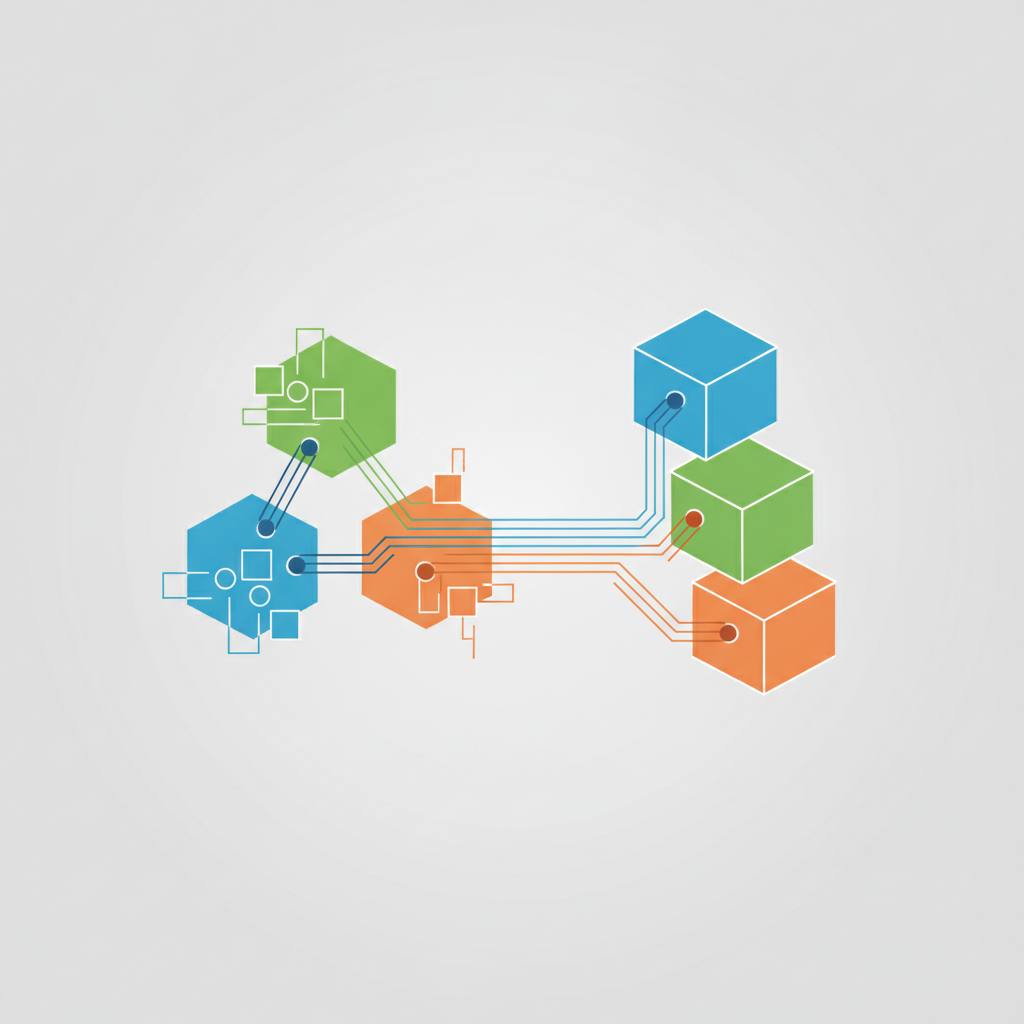
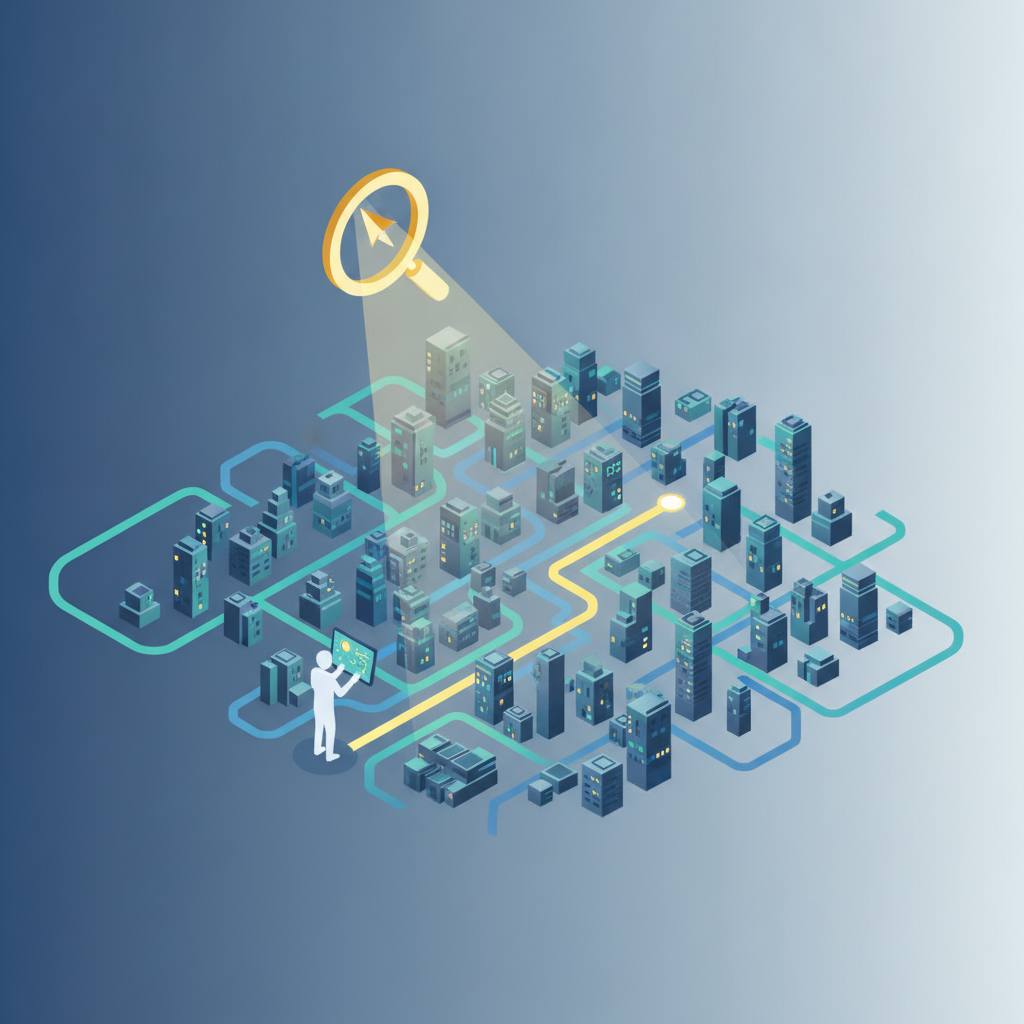
Ever felt lost trying to understand a new computer program? It's like being dropped into a huge city without a map. You see lots of buildings and streets, but you don't know which buildings are important, or how different areas connect. Even advanced AI struggles with this, as a recent article pointed out – it's tough to build a mental picture just by reading files one by one. This challenge is why tools like «Graphify» are gaining so much attention. Imagine if your city map didn't just show streets and buildings, but also drew lines showing which businesses supply others, or which public services depend on each other. That's essentially what these new tools do for computer code. Instead of seeing code as a list of separate files, these tools treat it like a network. Each piece of code – a function, a file, a module – becomes a 'node' or a point on a map. The relationships between them – like one function calling another, or one file importing code from another – become 'edges' or lines connecting these points. So, when you look at a program with this kind of «code map», you don't just see a collection of text files. You see a dynamic web: * You can quickly spot which parts of the code are most central because many lines connect to them. * You can trace the flow of information – for example, seeing exactly which steps happen when you click a button. * You can identify dependencies, understanding what might break if you change a specific piece of code. This approach changes everything. For beginners, it turns a daunting pile of text into an understandable visual story. For experienced developers, it makes navigating and debugging much faster. It's about moving from reading every word to instantly seeing the big picture and how all the puzzle pieces fit together, making learning and working with code much more efficient and less frustrating. It's like finally getting that essential map for your new city.