Discover how the «Reconciler Pattern» can save your applications from silently stuck queued jobs that never run, ensuring your data processes don't get lost in the shuffle.
Ever sent a task to a queue, only for it to disappear without a trace, leaving data stuck in limbo? It’s a common, frustrating issue that most developers face, and your dashboards might even show everything is perfectly fine while data quietly rots behind the scenes. This often happens when a job is dispatched but never actually enters the queue, or gets lost during the process. When this occurs, these jobs don't appear in your 'failed_jobs' list because, technically, they never even started to run.
The real problem here is a misunderstanding: many of us think the queue is a perfectly durable system, meaning once a job is sent, it will eventually run. But in reality, your database is the true source of truth for your application's state; the queue is just a delivery mechanism. If a connection drops during dispatch, if no worker is active, or if the queue is cleared, that job can vanish into thin air, leaving its corresponding database entry stuck in 'pending' forever. No error message, no log line, just silent stagnation.
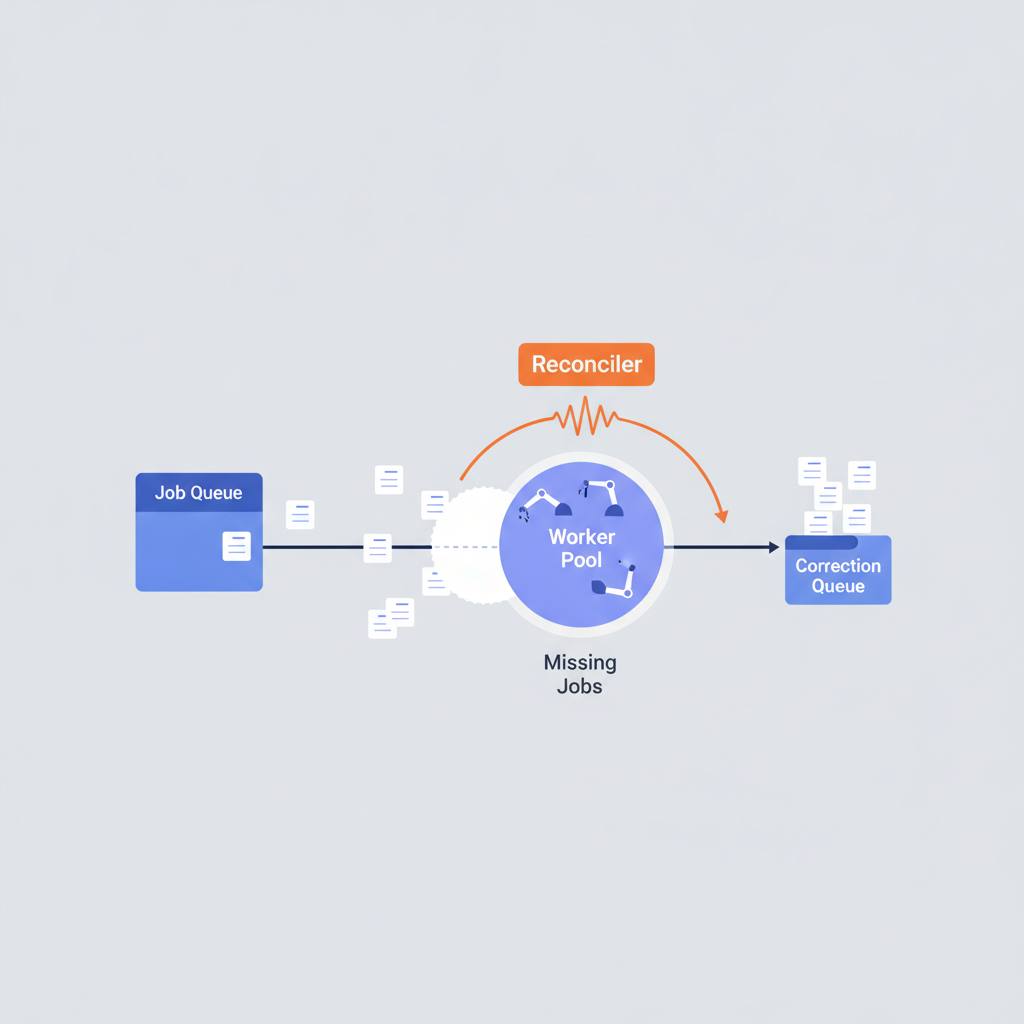
Thankfully, there’s a smart solution called the «Reconciler Pattern.» Imagine it as a diligent guardian for your database. Periodically, perhaps every 15 minutes, this reconciler sweeps through your database, looking for any tasks that are marked 'pending' but haven’t been claimed or updated for a while. If it finds any, it simply re-dispatches them, giving those forgotten jobs a second chance to run.
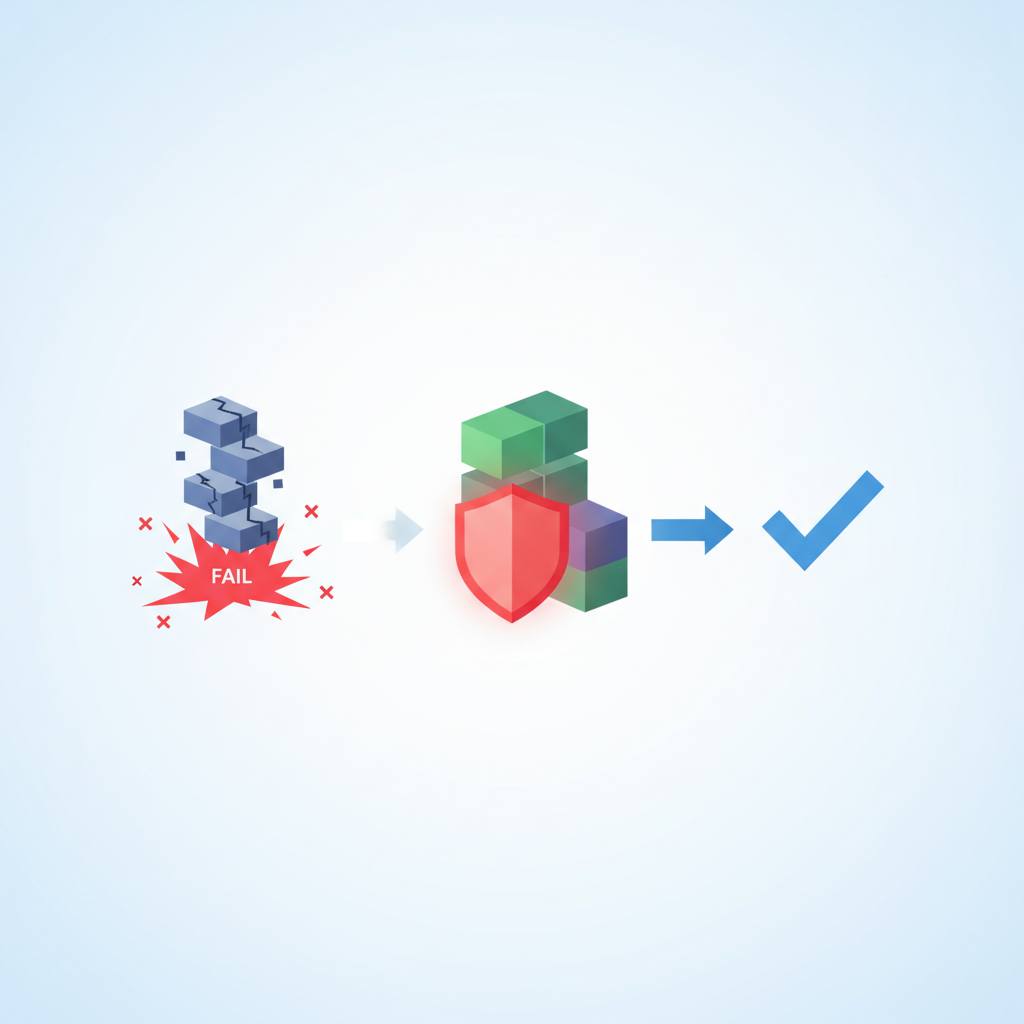
It’s crucial to understand that this isn't just another retry mechanism. Retries are for jobs that *ran and failed*. The reconciler, on the other hand, is for jobs that *never ran at all* because their dispatch was lost. It ensures that your application's state, as reflected in your database, always matches the actions that should be happening. By combining both retries for failures and reconciliation for lost dispatches, you build a much more robust and reliable system, preventing those invisible failures that can quietly degrade your application's health.
The real problem here is a misunderstanding: many of us think the queue is a perfectly durable system, meaning once a job is sent, it will eventually run. But in reality, your database is the true source of truth for your application's state; the queue is just a delivery mechanism. If a connection drops during dispatch, if no worker is active, or if the queue is cleared, that job can vanish into thin air, leaving its corresponding database entry stuck in 'pending' forever. No error message, no log line, just silent stagnation.
Thankfully, there’s a smart solution called the «Reconciler Pattern.» Imagine it as a diligent guardian for your database. Periodically, perhaps every 15 minutes, this reconciler sweeps through your database, looking for any tasks that are marked 'pending' but haven’t been claimed or updated for a while. If it finds any, it simply re-dispatches them, giving those forgotten jobs a second chance to run.
It’s crucial to understand that this isn't just another retry mechanism. Retries are for jobs that *ran and failed*. The reconciler, on the other hand, is for jobs that *never ran at all* because their dispatch was lost. It ensures that your application's state, as reflected in your database, always matches the actions that should be happening. By combining both retries for failures and reconciliation for lost dispatches, you build a much more robust and reliable system, preventing those invisible failures that can quietly degrade your application's health.