Have you ever been blocked while trying to gather information online? Residential proxies offer a clever solution by making your automated online tasks appear like requests from real users, helping you avoid frustrating errors and IP bans.
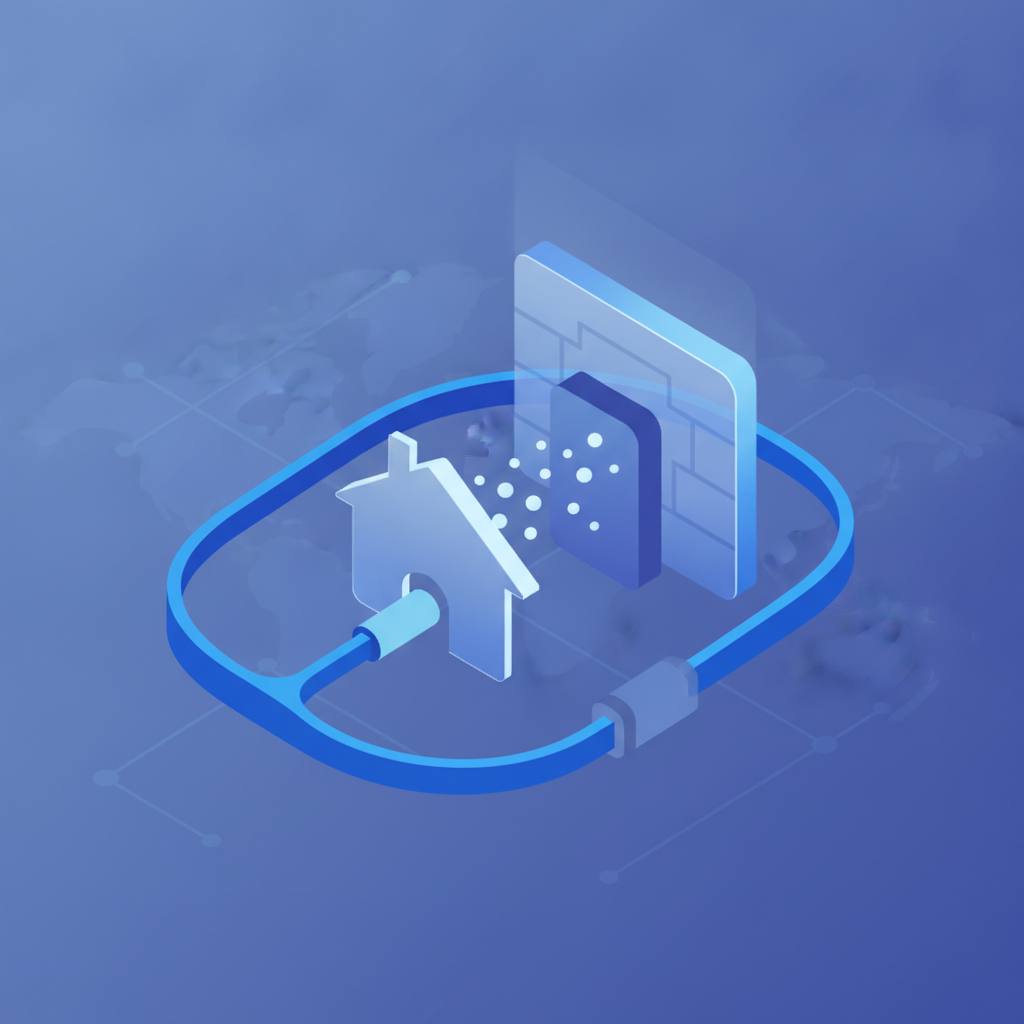
Imagine you're trying to collect information from various websites, perhaps to compare prices, monitor news, or gather data for an AI project. You set up a tool to automatically visit many pages, but suddenly, you hit a wall: 'Access Denied,' 'Too Many Requests,' or endless CAPTCHAs. It feels like websites are actively working against you! The truth is, modern websites use smart systems to detect unusual activity. If hundreds or thousands of requests suddenly pour in from the same internet address (IP address) in a short time, the website thinks, 'This isn't a normal person browsing; this must be a bot!' To protect their data and servers, they block that IP address. This is a common challenge for anyone building web scrapers or AI agents that need to browse the web automatically. This is where a clever solution called a 'residential proxy' comes into play. Think of it like this: instead of sending all your requests from your home address, you ask friends in different neighborhoods to send a few requests on your behalf. Each friend has their own unique home address. To the website, it looks like many different, legitimate people are browsing, not just one person trying to access too much too fast. Technically, a residential proxy routes your internet traffic through a *real* IP address that belongs to an actual home internet user, assigned by an Internet Service Provider (ISP). So, when your automation tool sends a request through a residential proxy, the website sees an IP address that looks exactly like a normal visitor's IP, coming from a different geographic location. This makes residential proxies incredibly effective. Unlike other types of proxies that might look suspicious because they come from data centers, residential IPs blend in perfectly. They help your automated tasks appear legitimate, allowing you to bypass those frustrating anti-bot systems, avoid IP bans, and successfully collect the data you need for market research, price tracking, or powering your AI agents. By distributing your requests across many different real-user IPs, your web automation becomes much more reliable and efficient.