A new, detailed guide helps healthcare data engineers understand Epic Clarity, which is essential for effective hospital data analysis and efficient data handling.
If you work in healthcare data engineering, chances are you'll come across Epic Clarity. And that's great news, because a new guide has just been released to help you understand and work with it effectively! So, what does this mean for you?
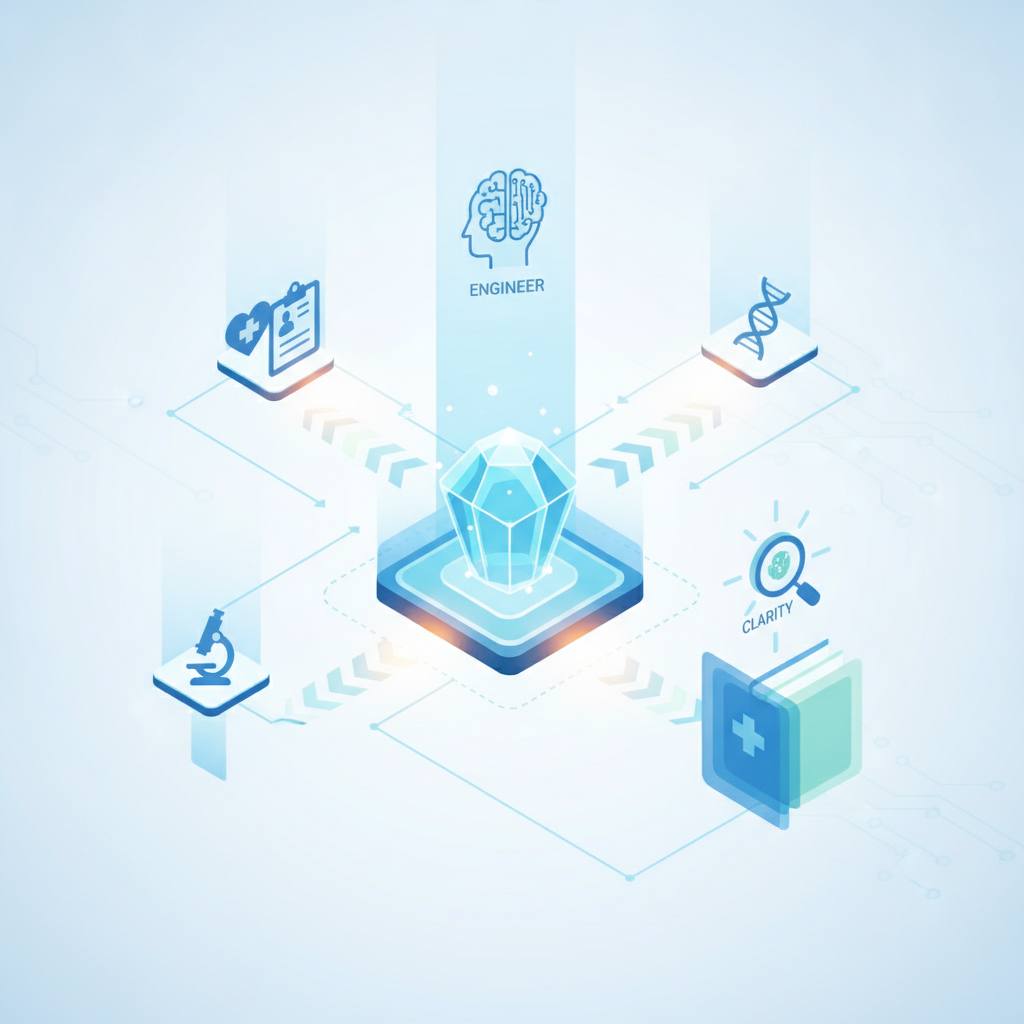
Simply put, Epic is a massive electronic health record (EHR) system, used in about 38% of US hospitals. Within this system, Epic Clarity is the relational reporting database. It's a read-optimized copy of clinical, administrative, and operational data, extracted nightly from Epic Chronicles. Think of Chronicles as the underlying operational store that uses a proprietary format and Epic-specific tools, while Clarity is the user-friendly interface that data engineers can access using standard SQL.
This makes Clarity the primary data extraction point for health system analytics teams building data warehouses on platforms like 'Snowflake', 'Databricks', and 'BigQuery'. It's how these teams get the data they need to create reports and analyses that help hospitals make better decisions.
The guide highlights the importance of understanding Epic's four data architecture layers:
1. **Chronicles**: The foundational operational database (difficult to query directly).
2. **Clarity**: The relational reporting database (the primary extraction target for data engineers).
3. **Cogito**: The analytics platform (built on top of Clarity).
4. **Caboodle**: The enterprise data warehouse (better for population health analytics).
Even though Clarity contains thousands of tables, most data engineering work focuses on a core set. Key tables you'll need to work with include PAT_ENC (for encounters), PATIENT (for patient demographics), and PAT_ENC_DX (for diagnoses). These tables are crucial for linking data and understanding a patient's journey within the hospital.
This guide is a valuable resource for any data engineer looking to work effectively with complex healthcare data from Epic. It will save you time and help you build accurate and useful pipelines and reports.
Simply put, Epic is a massive electronic health record (EHR) system, used in about 38% of US hospitals. Within this system, Epic Clarity is the relational reporting database. It's a read-optimized copy of clinical, administrative, and operational data, extracted nightly from Epic Chronicles. Think of Chronicles as the underlying operational store that uses a proprietary format and Epic-specific tools, while Clarity is the user-friendly interface that data engineers can access using standard SQL.
This makes Clarity the primary data extraction point for health system analytics teams building data warehouses on platforms like 'Snowflake', 'Databricks', and 'BigQuery'. It's how these teams get the data they need to create reports and analyses that help hospitals make better decisions.
The guide highlights the importance of understanding Epic's four data architecture layers:
1. **Chronicles**: The foundational operational database (difficult to query directly).
2. **Clarity**: The relational reporting database (the primary extraction target for data engineers).
3. **Cogito**: The analytics platform (built on top of Clarity).
4. **Caboodle**: The enterprise data warehouse (better for population health analytics).
Even though Clarity contains thousands of tables, most data engineering work focuses on a core set. Key tables you'll need to work with include PAT_ENC (for encounters), PATIENT (for patient demographics), and PAT_ENC_DX (for diagnoses). These tables are crucial for linking data and understanding a patient's journey within the hospital.
This guide is a valuable resource for any data engineer looking to work effectively with complex healthcare data from Epic. It will save you time and help you build accurate and useful pipelines and reports.