WordPress is implementing new restrictions on its themes, strictly separating design from functionality. This means many features previously found in themes will now be handled exclusively by plugins.
WordPress is making big changes to how themes work, and it's a shift every site owner should know about. What this means for you is that the themes you use will now focus almost entirely on how your site looks, with all the special features and tools handled by separate plugins.
Imagine a veteran theme developer, with over ten years of experience, recently submitted a new block theme to WordPress.org. He built this theme pouring in all his accumulated knowledge and best practices, believing it was his 'greatest hits album' for the block era. But the surprise came with a rejection email. The theme wasn't rejected because it was broken or harmful, but because many of the features the developer was proud of, which he considered enhancements to user experience, were flagged as functionality. And functionality is no longer allowed in themes. In essence, WordPress is clearly stating: themes are for presentation and design, while functionality must reside within plugins.
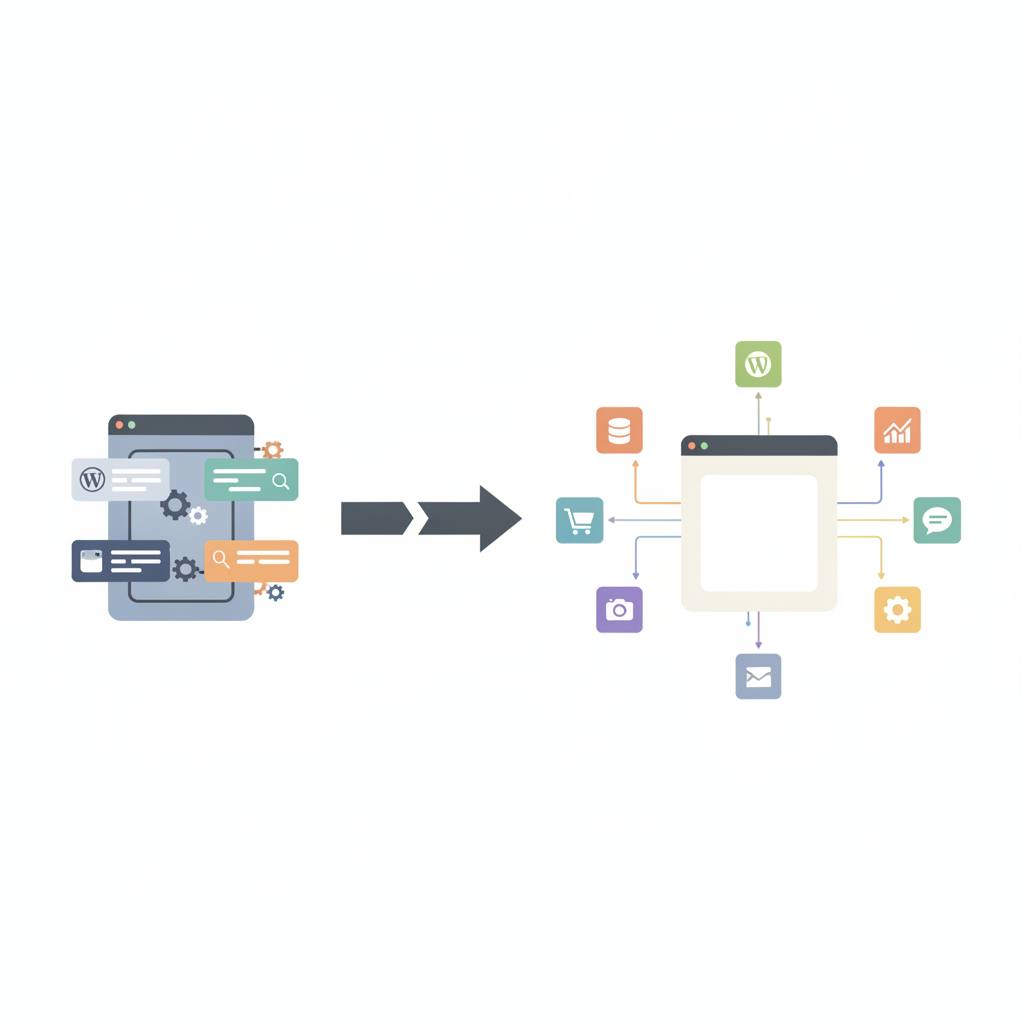
This significant change reflects WordPress's response to the 'messy ecosystem' that prevailed about ten years ago. Back then, themes often acted like Swiss Army knives, bundling everything from page builders to sliders, making them bulky and sometimes difficult to manage. WordPress aims to reorganize by clearly separating a site's appearance from its features. For you as a user, this might mean you'll need to think differently when choosing themes and plugins. You won't be able to rely on a single theme to provide every feature. Instead, you'll need a theme that focuses on design, and then add the appropriate plugins for each specific function you want. The goal of this change is a cleaner, more organized, and secure WordPress environment. It encourages us to build websites in a more systematic way, where concerns are clearly separated.
Imagine a veteran theme developer, with over ten years of experience, recently submitted a new block theme to WordPress.org. He built this theme pouring in all his accumulated knowledge and best practices, believing it was his 'greatest hits album' for the block era. But the surprise came with a rejection email. The theme wasn't rejected because it was broken or harmful, but because many of the features the developer was proud of, which he considered enhancements to user experience, were flagged as functionality. And functionality is no longer allowed in themes. In essence, WordPress is clearly stating: themes are for presentation and design, while functionality must reside within plugins.
This significant change reflects WordPress's response to the 'messy ecosystem' that prevailed about ten years ago. Back then, themes often acted like Swiss Army knives, bundling everything from page builders to sliders, making them bulky and sometimes difficult to manage. WordPress aims to reorganize by clearly separating a site's appearance from its features. For you as a user, this might mean you'll need to think differently when choosing themes and plugins. You won't be able to rely on a single theme to provide every feature. Instead, you'll need a theme that focuses on design, and then add the appropriate plugins for each specific function you want. The goal of this change is a cleaner, more organized, and secure WordPress environment. It encourages us to build websites in a more systematic way, where concerns are clearly separated.