Good news for developers and researchers! The vast database of Canadian registered charities, including names, addresses, and directors, is now easier to access programmatically through an API, saving you the hassle of joining multiple CSV files.
Hey fellow developers and researchers at WondTech, we've got some great news for you! Getting your hands on Canada's vast charity data just got a whole lot simpler. Imagine this: Canada has around 85,000 registered charities, and the Canada Revenue Agency (CRA) publishes a huge list of them as open data. This list includes their legal names, mailing addresses, designations, categories, websites, and even the directors and officers of each one. It's a massive, clean, national dataset, perfect for anyone needing to prospect for potential partners, conduct sector research, or perform due diligence on a specific charity.
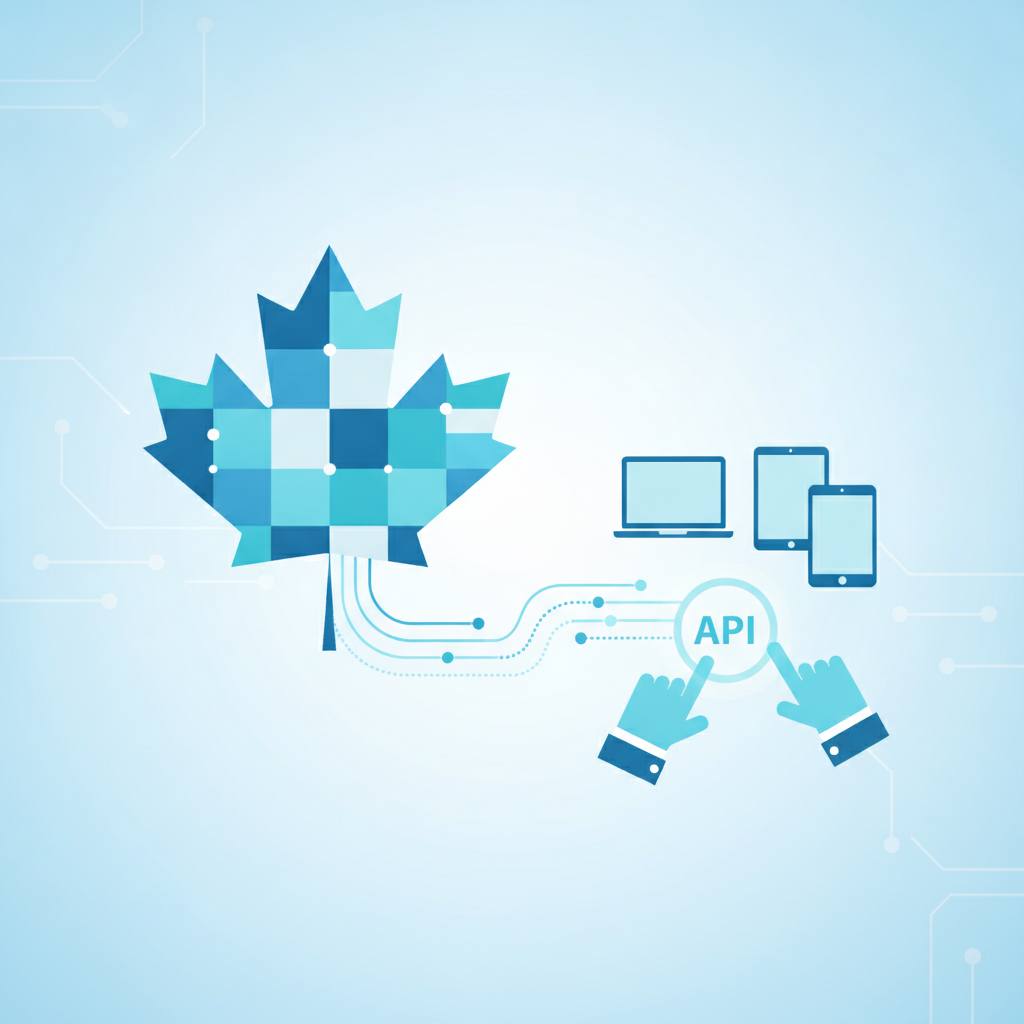
In the past, accessing this treasure trove of information presented a small challenge. This data used to ship as about 20 separate CSV files. You had to join them yourself, typically keyed by Business Number (BN), to create a comprehensive database. But the good news is, there's now a much simpler way to tackle this. A new guide has emerged showing how to pull this data programmatically for 2026. This means you no longer have to manually piece files together; you can use a query API to fetch data directly, or even a hosted option that you can call from your code or an AI agent.
The key data you'll want comes in three main CSVs: the 'Identification' file, which includes the legal name, address, city, province, postal code, designation, and category for about 84,000 charities. Then there's the 'Charity Contact Web Addresses' file for website URLs, and finally the 'Directors/Officers' file, listing every director or officer with their position and start/end dates. Designations (like Public foundation, Private foundation, or Charitable organization) and categories (such as Core health care or Animal welfare) can be easily decoded using simple code lists. This data lives on Canada's Open Government Portal, which runs on CKAN, letting you query specific resources over HTTP – very handy if you just need a quick lookup instead of pulling the entire file.
In the past, accessing this treasure trove of information presented a small challenge. This data used to ship as about 20 separate CSV files. You had to join them yourself, typically keyed by Business Number (BN), to create a comprehensive database. But the good news is, there's now a much simpler way to tackle this. A new guide has emerged showing how to pull this data programmatically for 2026. This means you no longer have to manually piece files together; you can use a query API to fetch data directly, or even a hosted option that you can call from your code or an AI agent.
The key data you'll want comes in three main CSVs: the 'Identification' file, which includes the legal name, address, city, province, postal code, designation, and category for about 84,000 charities. Then there's the 'Charity Contact Web Addresses' file for website URLs, and finally the 'Directors/Officers' file, listing every director or officer with their position and start/end dates. Designations (like Public foundation, Private foundation, or Charitable organization) and categories (such as Core health care or Animal welfare) can be easily decoded using simple code lists. This data lives on Canada's Open Government Portal, which runs on CKAN, letting you query specific resources over HTTP – very handy if you just need a quick lookup instead of pulling the entire file.